2 அக்டோபர், 2026 இதழ்

  1. விண்வெளி & வானியல்

    A NEUTRON-STAR CRASH IN OUR OWN GALAXY?

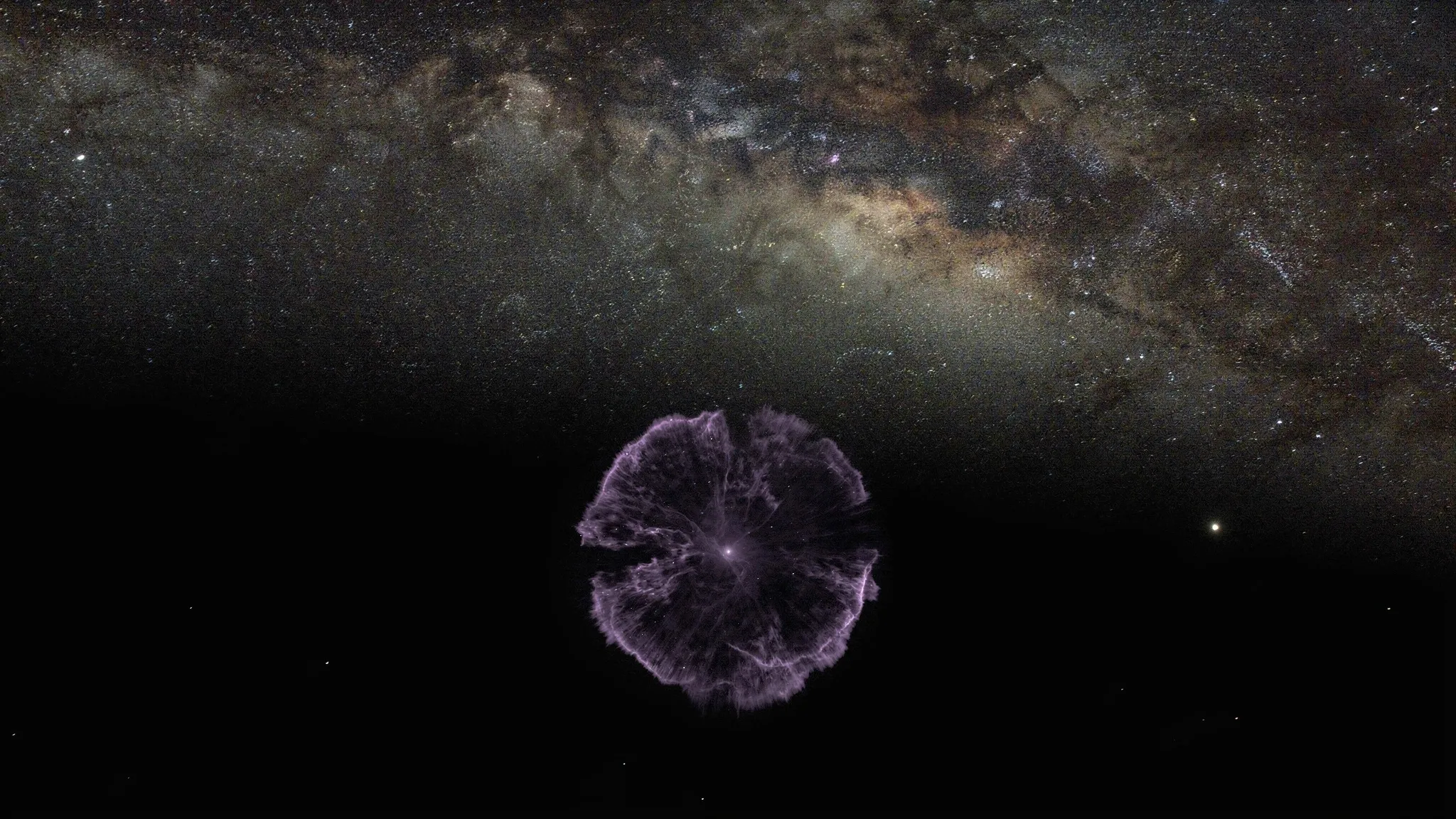
    A faint, roughly round cloud of glowing debris against a dense star field, lit in violet.

    When two neutron stars merge, they forge heavy elements in a flash called a kilonova. Only a few remnants of such blasts should exist in our Galaxy. None has ever been found.

    A team in Beijing and Notre Dame studied HESS J1507−622. This gamma-ray source sits oddly far from the Milky Way's plane. No pulsar, no shell, no X-ray glow explains it.

    Their model fits it as a kilonova remnant, 200 to 3,000 years old. It favours an age under 1,000 years, at 3.8 to 14.3 kiloparsecs. The explosion could have rivalled the brightest planets.

    So why is there no historical record? It faded within days, very far south. A future MeV telescope or a faint light echo could settle the case.

    Source: HESS J1507-622: A Plausible Young Galactic Kilonova Remnant, https://arxiv.org/abs/2609.38341
    முன்பதிப்புகோட்பாடுபடிக்க 3 நிமிடங்கள்
  2. விண்வெளி & வானியல்

    A GALAXY WITH ALMOST NO STARS

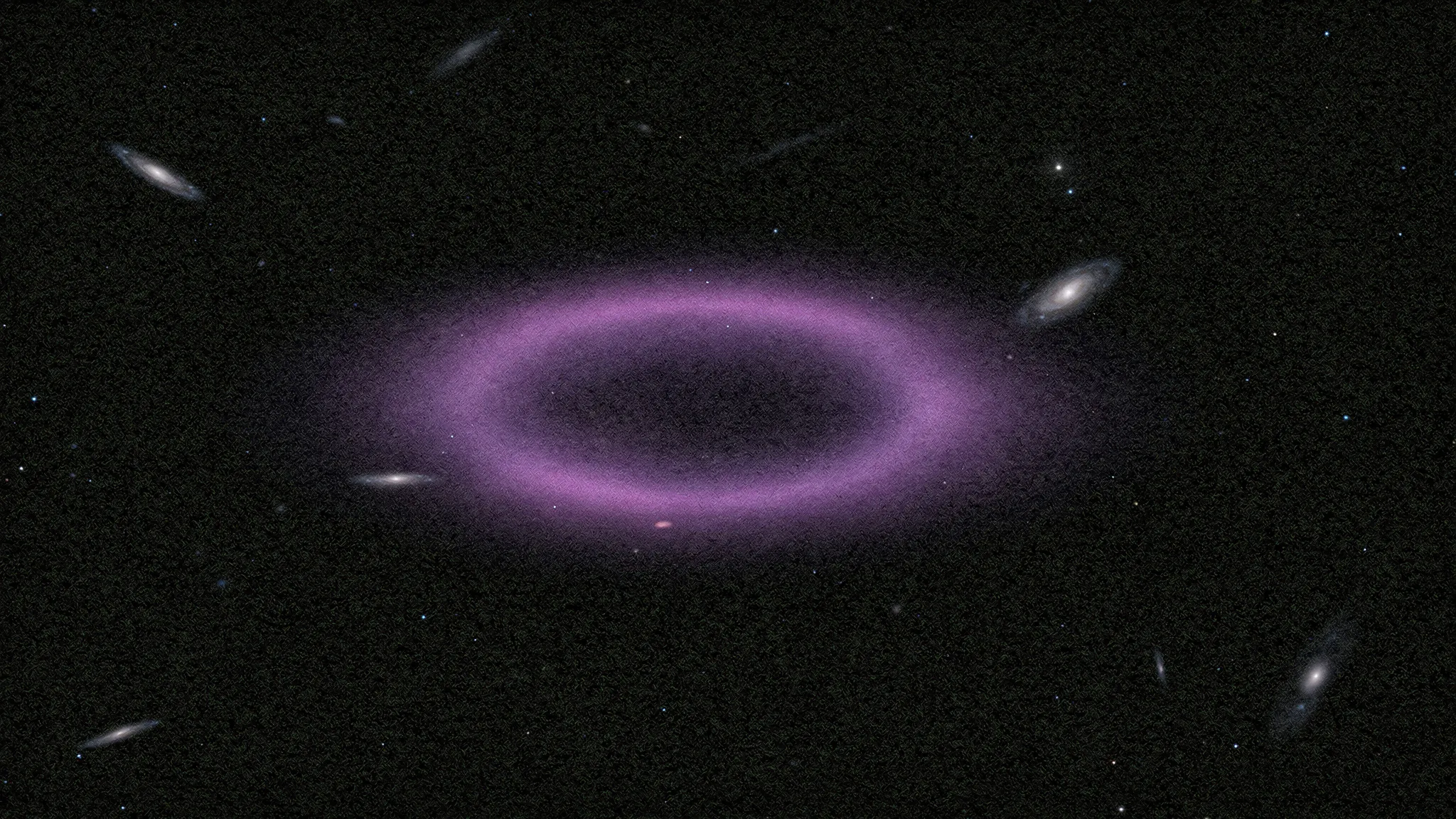
    A faint, flattened ring of diffuse gas with no stars inside, among scattered distant galaxies, lit in deep violet.

    Some galaxies may hold plenty of gas but almost no stars. They would be nearly invisible to ordinary optical telescopes. Only radio waves from their hydrogen could betray them.

    An Australian team cross-checked two huge radio surveys, from Arecibo and from China's FAST. One source, AGC 322753, appears in both. Same speed, same line shape: no interference artefact.

    Its signal shows two peaks, the mark of a rotating disc. It holds about two billion solar masses of hydrogen. Yet deep optical images show nothing there.

    Its stars weigh at most 50 million suns, so gas outweighs stars at least 40 to 1. That is too much gas for a totally starless galaxy. Deeper images should tell how dark it really is.

    Source: AGC 322753: a Dark Galaxy Candidate detected by ALFALFA and FASHI, https://arxiv.org/abs/2609.39152

    முன்பதிப்புதரவுப் பகுப்பாய்வுபடிக்க 3 நிமிடங்கள்
  3. இயற்பியல்

    A SUPERSOLID AT ROOM TEMPERATURE

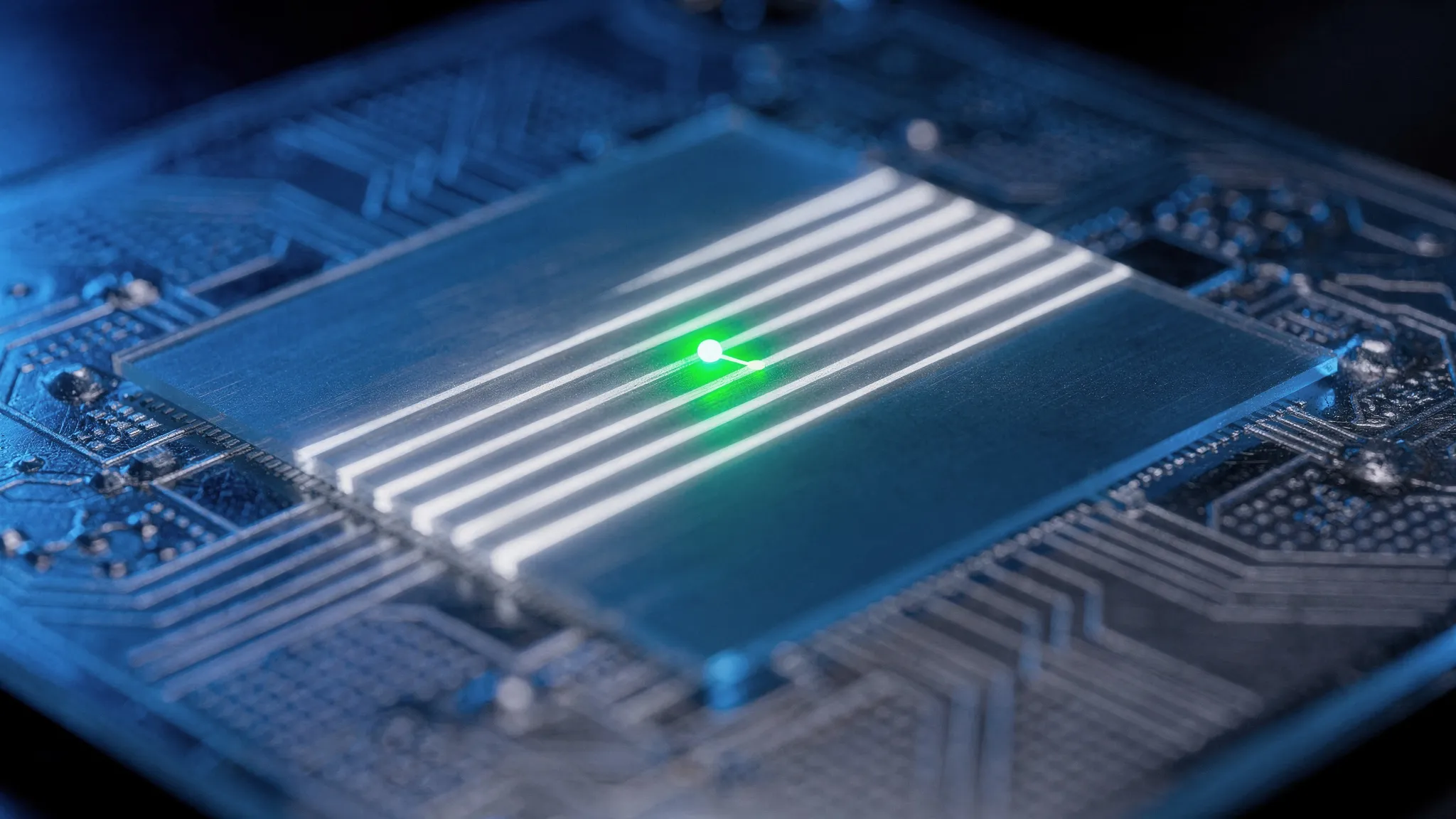
    A thin crystal film on a patterned chip glowing with a row of evenly spaced bright stripes, lit in deep cobalt blue.

    A supersolid is ordered like a crystal yet flows without friction, like a superfluid. Atomic versions only appeared at a few billionths of a degree above absolute zero.

    A University of Hong Kong team used polaritons, half light and half matter. They set a perovskite film on a nanopatterned silicon nitride chip. Then they hit it with laser pulses.

    At room temperature, a first threshold made a condensate. A second one split it into a regular pattern, with a period of 3.33 micrometres. The underlying pattern is only 290 nanometres wide.

    Light from both sides stayed in step: a correlation of 1.0121, very close to 1. Crystal order plus quantum coherence: a supersolid, the authors say. It could also make squeezed light on a chip.

    Source: Room-temperature polariton supersolids, https://arxiv.org/abs/2609.40009

    முன்பதிப்புசோதனைபடிக்க 3 நிமிடங்கள்
  4. இயற்பியல்

    THE HIDDEN PHYSICS OF PAINTBRUSHES

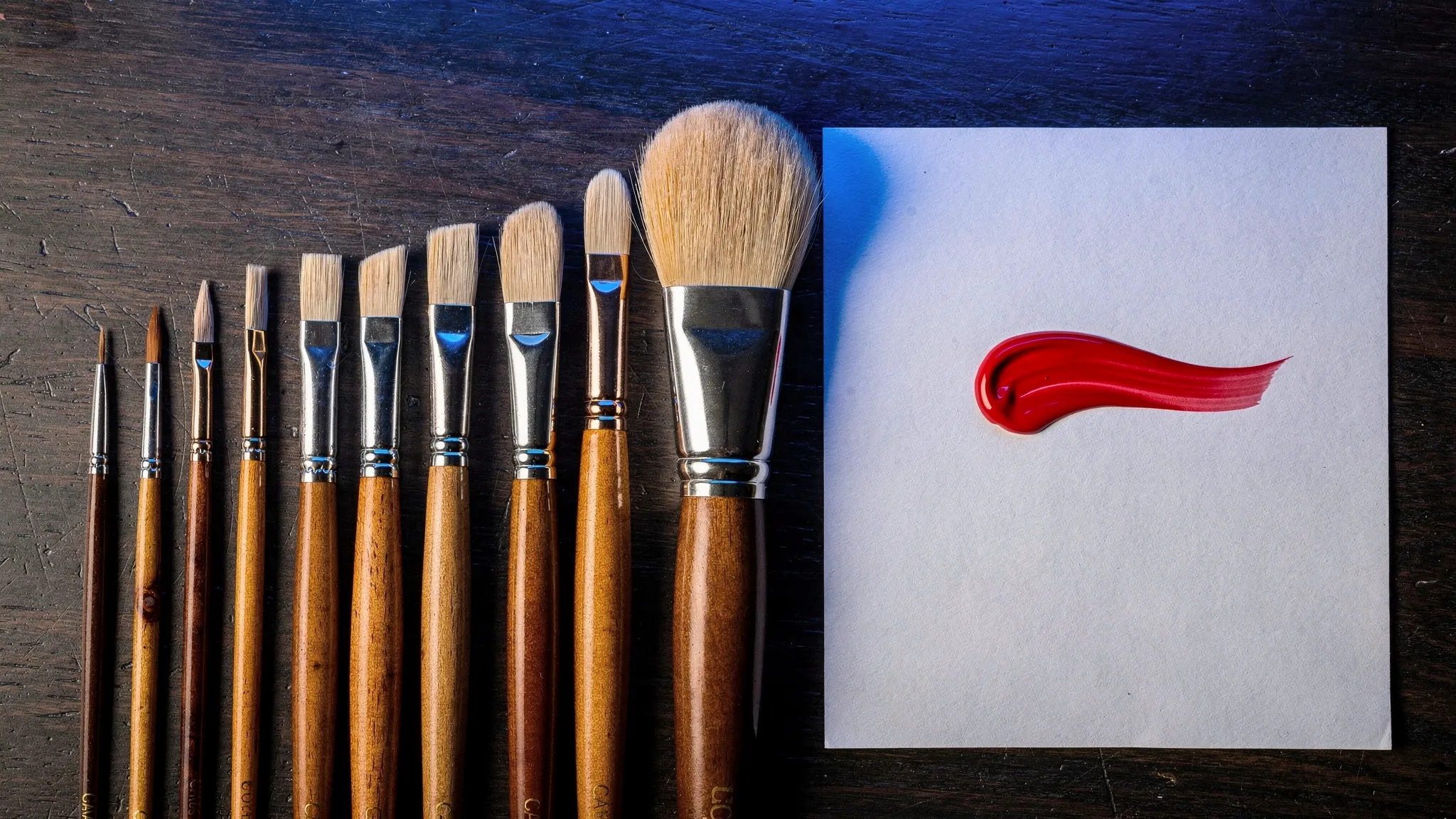
    A row of paintbrushes of steadily increasing size lying side by side on a dark table, a red paint stroke on white paper beside them, lit in deep cobalt blue.

    Painters have used brush-like tools since prehistoric times. Today's brushes come in every size, for art, nails or walls. Is their shape just habit?

    A team in Orsay, Rennes, Paris, Bordeaux and Palaiseau measured about 200 brushes. Length follows a power law of width, set only by the tip shape. Conical, rounded or flat: three exponents.

    Pressed against paper, brushes of very different sizes resist with nearly the same stiffness. Cut one shorter, though, and its stiffness changes a lot. The commercial proportions keep it constant.

    For round brushes, the stain's size grows with how far the brush is pressed. So a painter, or a painting robot, controls the stroke by force alone. Any round brush in hand will do.

    Source: The hidden side of paintbrushes: a geometry shaped by power laws, https://arxiv.org/abs/2609.39410

    முன்பதிப்புசோதனைபடிக்க 3 நிமிடங்கள்
  5. கணிதம்

    AN AI SINKS A 1990S COLOURING CONJECTURE

    A chalk-drawn network of circled points marked with small shapes, joined by solid and dashed lines, on dark paper.

    Colour every point and every line of a network, with no clash between neighbours. Mathematicians conjectured that personal colour lists never cost an extra colour. The idea dates back to the late 1990s.

    On 24 September 2026, mathematician Jonathan Noel asked ChatGPT 6 Astra Ultra to disprove it. The AI produced a counterexample. Noel checked the proof and rewrote it.

    The network has 20 points, three lines at each. Four colours are enough to colour it. But with well-chosen lists of four colours each, it becomes impossible.

    The whole paper fits in six pages, and the proof can be checked by hand. The conjecture is false. A new question opens: can personal lists ever cost more than one extra colour?

    Source: The List Total Colouring Conjecture is False, https://arxiv.org/abs/2609.38417

    முன்பதிப்புகோட்பாடுபடிக்க 3 நிமிடங்கள்
  6. கணினியியல் & செயற்கை நுண்ணறிவு

    A 1962 BARRIER FALLS IN COMPUTER SCIENCE

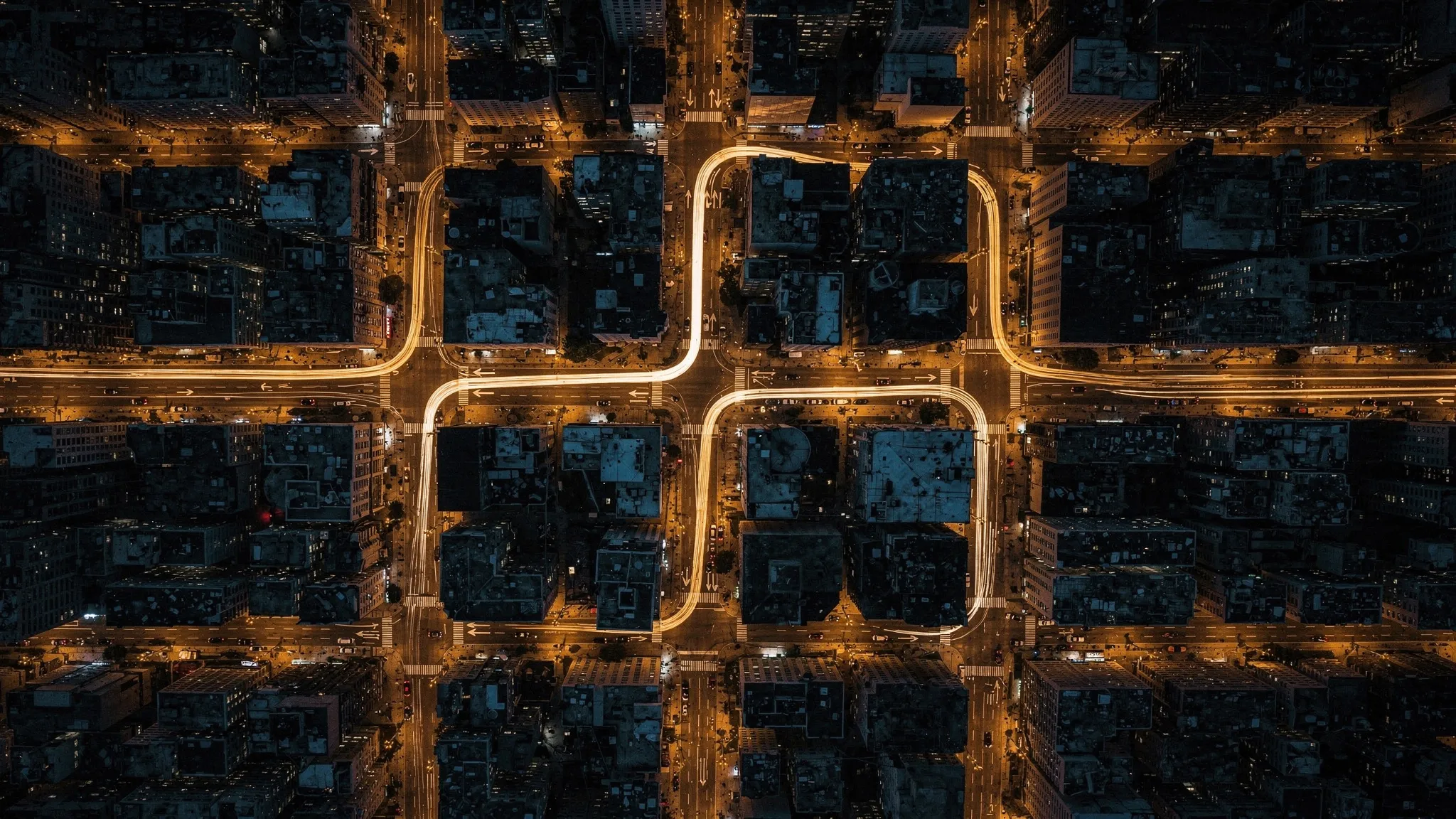
    A night aerial view of a dense grid of city streets, a single glowing route winding through several crossings, lit in deep amber.

    Can you visit every point of a network once, following one-way arrows, and return home? It is a classic hard problem. Since 1962, the best methods took about 2ⁿ steps for n points.

    Two researchers in Tokyo, at the University of Tokyo and the company CyberAgent, beat that bound. Their randomised algorithm runs in about 1.9133ⁿ steps. It is the first such gain for general one-way networks.

    The trick: randomly delete and duplicate arrows, then sort the copies into groups. Then count the solutions modulo two, at each total weight. An odd count proves that a tour exists.

    The authors say ChatGPT 6 Astra generated the main proof. They checked and revised it. For two-way networks, the record still stands far lower, at 1.657ⁿ.

    Source: Breaking the 2^n barrier for directed hamiltonicity, https://arxiv.org/abs/2609.39062

    முன்பதிப்புகோட்பாடுபடிக்க 3 நிமிடங்கள்
  7. உயிர் அறிவியல்

    WHAT THE FLY'S WIRING REALLY DECIDES

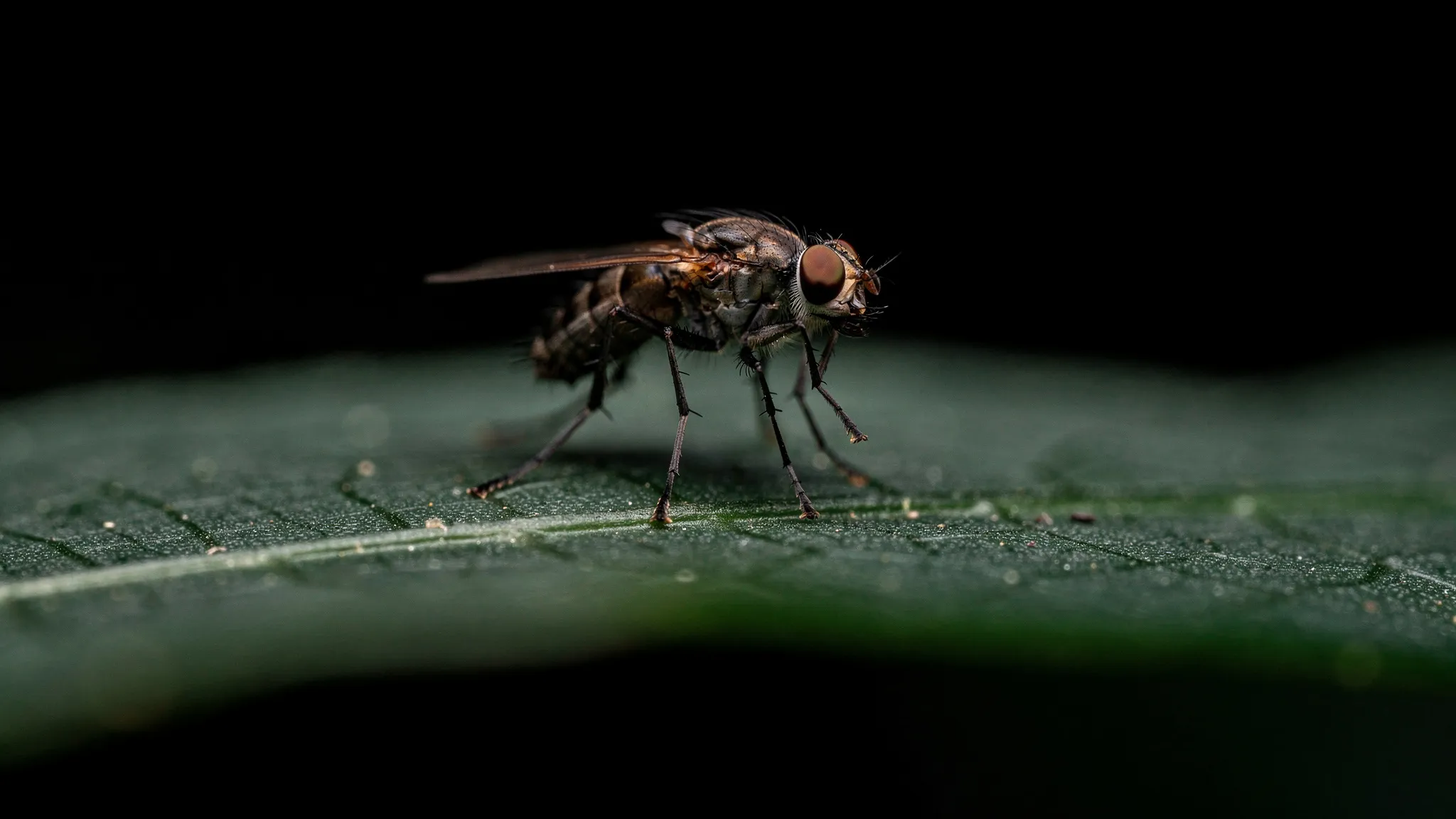
    A small fly standing on a dark leaf, its thin jointed legs in sharp focus, lit from the side against a black background.

    We now have complete wiring maps of the fruit fly's nerve cord, synapse by synapse. Simulations built on them make leg-like rhythms. But does the exact wiring matter?

    A team led from Hong Kong simulated the leg circuits of two independent fly maps. They compared each with 30 scrambled versions keeping the same broad statistics. Their criteria were fixed in advance.

    Rhythm turned out to be generic: many scrambled networks oscillated even better. Yet only the real wiring made opposing muscle groups clearly take turns. It scored 0.31, against at most 0.14.

    The secret is a rule described over a century ago: neurons that excite one muscle inhibit its opponent. Both maps carry it; no scrambled network does. Moving inputs between opposing muscles erased the coordination.

    Source: How much of fly walking is written in the wiring?, https://arxiv.org/abs/2609.38665

    முன்பதிப்புஉருவகப்படுத்தல்படிக்க 3 நிமிடங்கள்
  8. புவி & காலநிலை

    HOW BIG ARE THE GRAINS AT THE BOTTOM OF THE MANTLE?

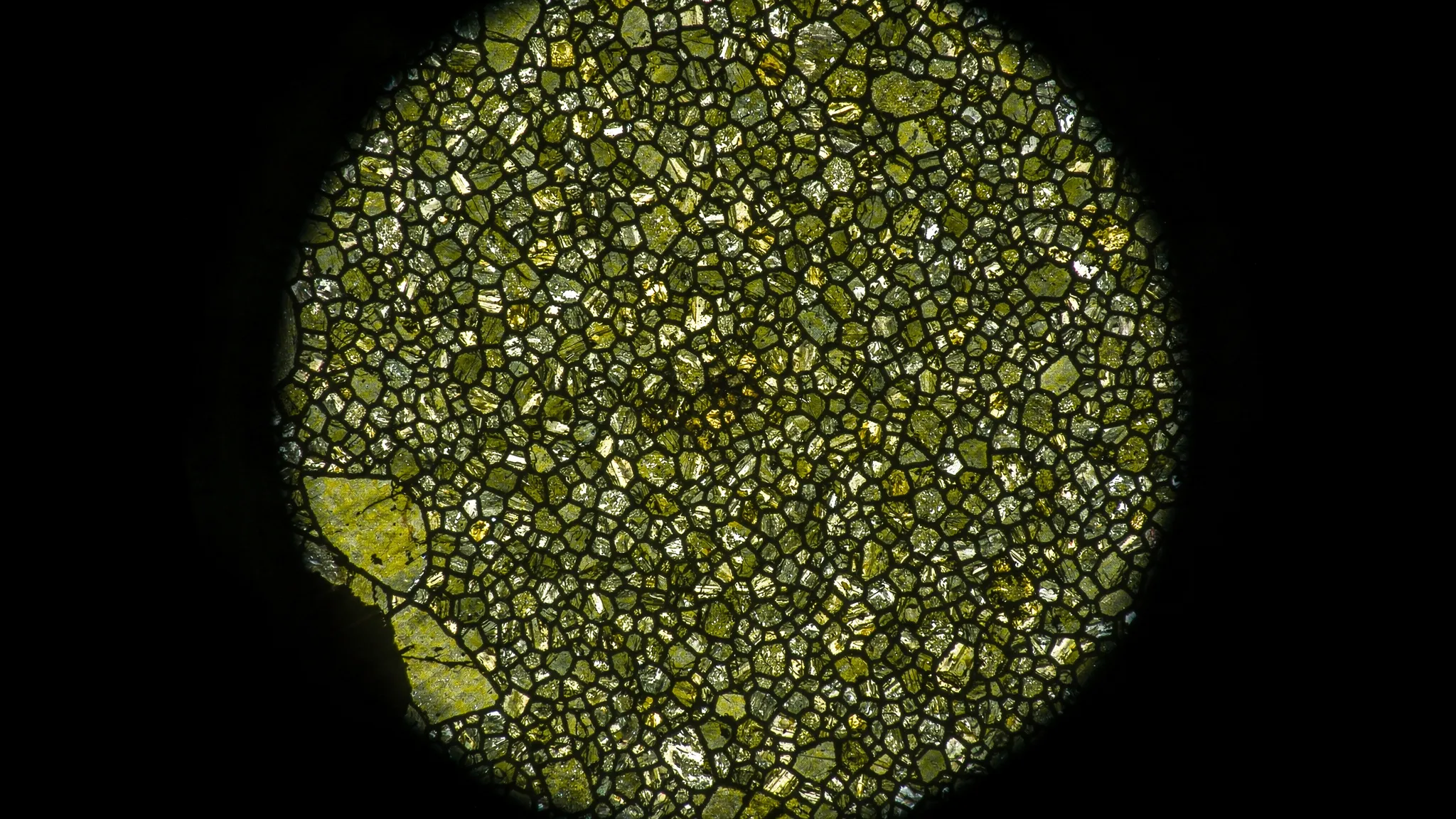
    Microscope view of a polished mineral section made of many small interlocking crystal grains with thin boundaries, lit in dark olive green.

    Deep under Africa and the Pacific lie two huge zones where seismic waves slow down. They rise over 1,000 km from the core. Their origin is debated, and a mineral called davemaoite may play a part.

    But theory predicted davemaoite about 30% stiffer than lab measurements. The gap had lasted for decades. A team in Wuhan, Bayreuth and Michigan simulated millions of atoms to find out why.

    Lab samples are full of tiny grains. Their disordered edges are invisible to standard X-rays. Just 5.8% of disorder cut the mineral's shear stiffness by 37%, enough to close the gap.

    Applied to the deep Earth, this sets a floor: davemaoite grains must be at least about 100 nanometres wide. That fits signs that these vast zones are coarse-grained and long-lived.

    Source: Elasticity of polycrystalline davemaoite constrains its grain size in the lower mantle, https://arxiv.org/abs/2609.39423

    முன்பதிப்புஉருவகப்படுத்தல்படிக்க 3 நிமிடங்கள்
  9. மருத்துவம் & உடல்நலம்

    A DIGITAL TWIN FOR EACH IMPLANTED EAR

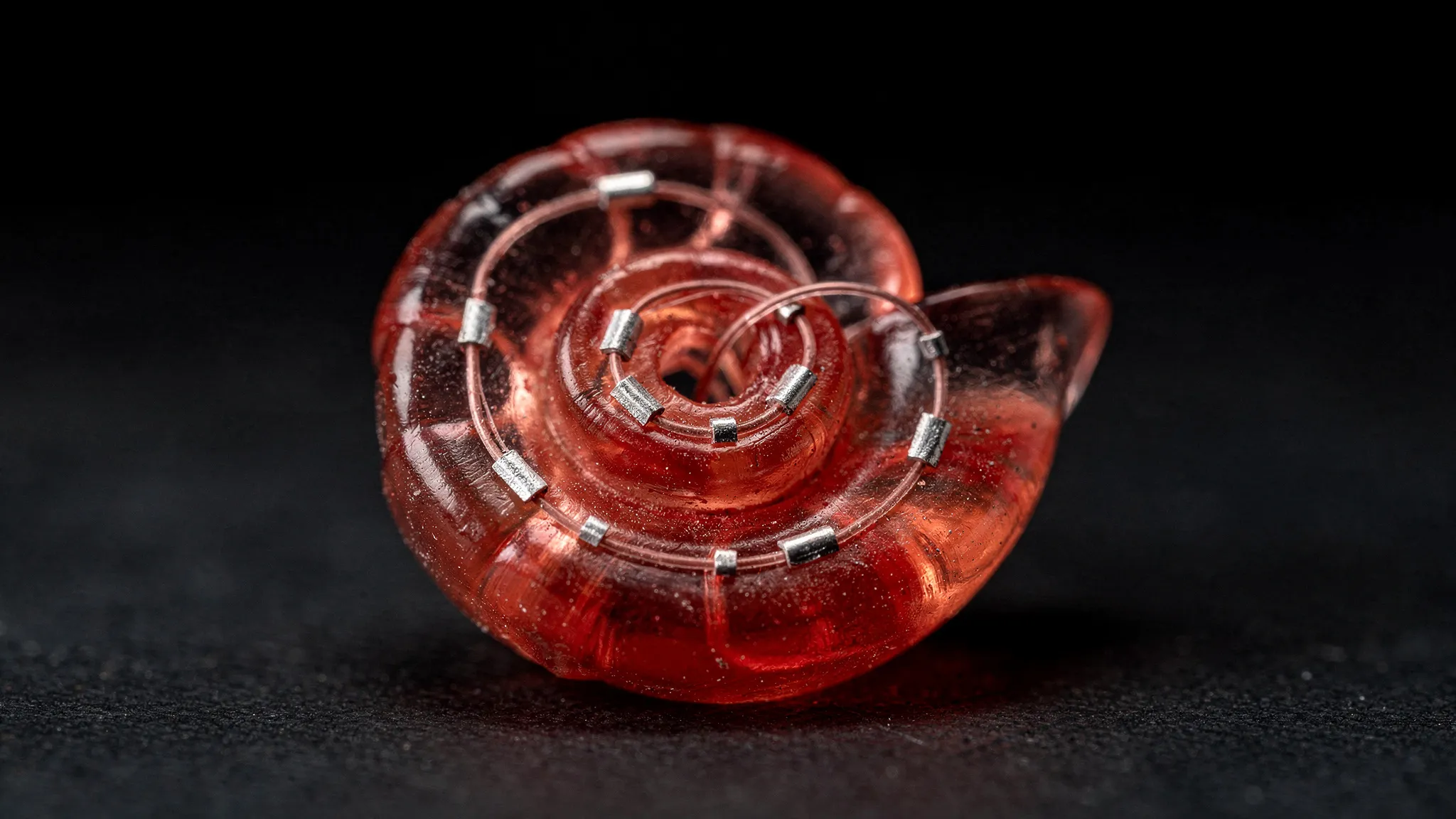
    A thin electrode array curled inside a translucent model of the spiral cochlea, lit in dark brick red.

    A cochlear implant sends electric pulses straight to the hearing nerve. Results vary hugely from one person to the next. Some understand speech well, others barely.

    A team at Vanderbilt and other centres built a digital twin of each patient's implanted ear. It uses only scans and measurements made by the implant itself. It estimates how many nerve fibres are still healthy.

    Across the study's patients, this nerve-health score tracked speech understanding, in quiet and in noise. Correlations reached about 0.75 to 0.78. It explains 50 to 60% of the differences between patients.

    Six patients then had a few electrodes switched off where nerves looked weakest. Word scores rose by 10 points on average, and all kept the new setting. A proper clinical trial is being planned.

    Source: Estimates of neural health using cochlear implant digital twins correlate with speech recognition, https://arxiv.org/abs/2609.38634

    முன்பதிப்புஉருவகப்படுத்தல்படிக்க 3 நிமிடங்கள்
  10. வேதியியல்

    AMMONIA MOLECULES THAT FLIP LIKE UMBRELLAS

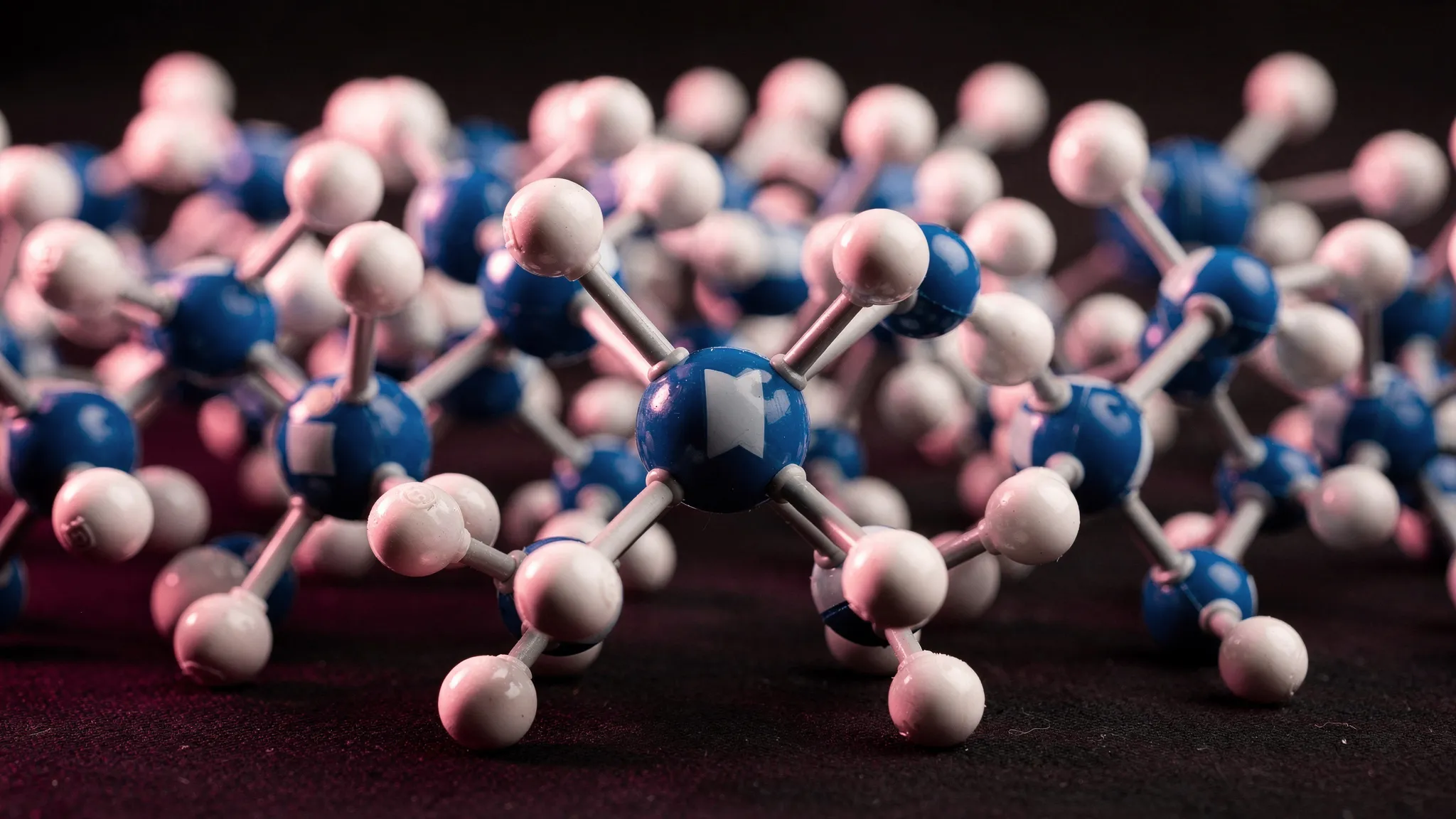
    A ball-and-stick model of many small molecules packed together, blue central atoms bonded to white atoms, lit in deep magenta.

    An ammonia molecule is a tiny pyramid. Its nitrogen atom can pass through the plane of its three hydrogens and flip, like an umbrella in the wind. In the liquid, how much does that matter?

    A team in Seoul and Suwon simulated 512 ammonia molecules with a machine-learned force field. They compared classical atoms with quantum nuclei, from 170 to 250 kelvins.

    Quantum nuclei lower the flip's energy barrier, from 0.272 to 0.213 electronvolts. Each flip briefly breaks hydrogen bonds and loosens the shell of neighbouring molecules around it.

    In the warmer liquid, this barely changes diffusion. Below about 210 kelvins, as each molecule gets trapped by its neighbours, quantum flips help it escape. Diffusion rises by 18% at 170 kelvins.

    Source: Nuclear quantum effects enhance diffusion in supercooled ammonia through accelerated pyramidal inversion, https://arxiv.org/abs/2609.38688

    முன்பதிப்புஉருவகப்படுத்தல்படிக்க 3 நிமிடங்கள்
  11. கணினியியல் & செயற்கை நுண்ணறிவு

    NEARLY A THIRD OF THE WEB IS NOW WRITTEN BY AI

    Stacks of printed web pages in a dark archive, some sheets glowing faintly, lit in deep amber.

    Language models learn mostly from web text. But a growing share of that text is now written by other AIs. In June 2026, 27.5% of filtered web tokens were AI-written; by August, 31.1%.

    A team from the University of Maryland and the company Pangram Labs trained 800 small language models. They added different amounts of AI text to fixed human text.

    AI text helped only models short of data. Beyond the usual budget of about 20 tokens per parameter, adding it raised errors on human text. Fresh human text kept helping.

    Skipping the filter at August 2026 levels would cost 1.6 times more computing power. Mixed test sets hid the damage in 95.5% of harmful runs. Pangram sells the detector used here, a conflict to keep in mind.

    Source: How Much Is an AI Token Worth? Scaling Laws for Wild AI-Generated Web Text, https://arxiv.org/abs/2609.40295

    முன்பதிப்புசோதனைபடிக்க 3 நிமிடங்கள்
Legal notice