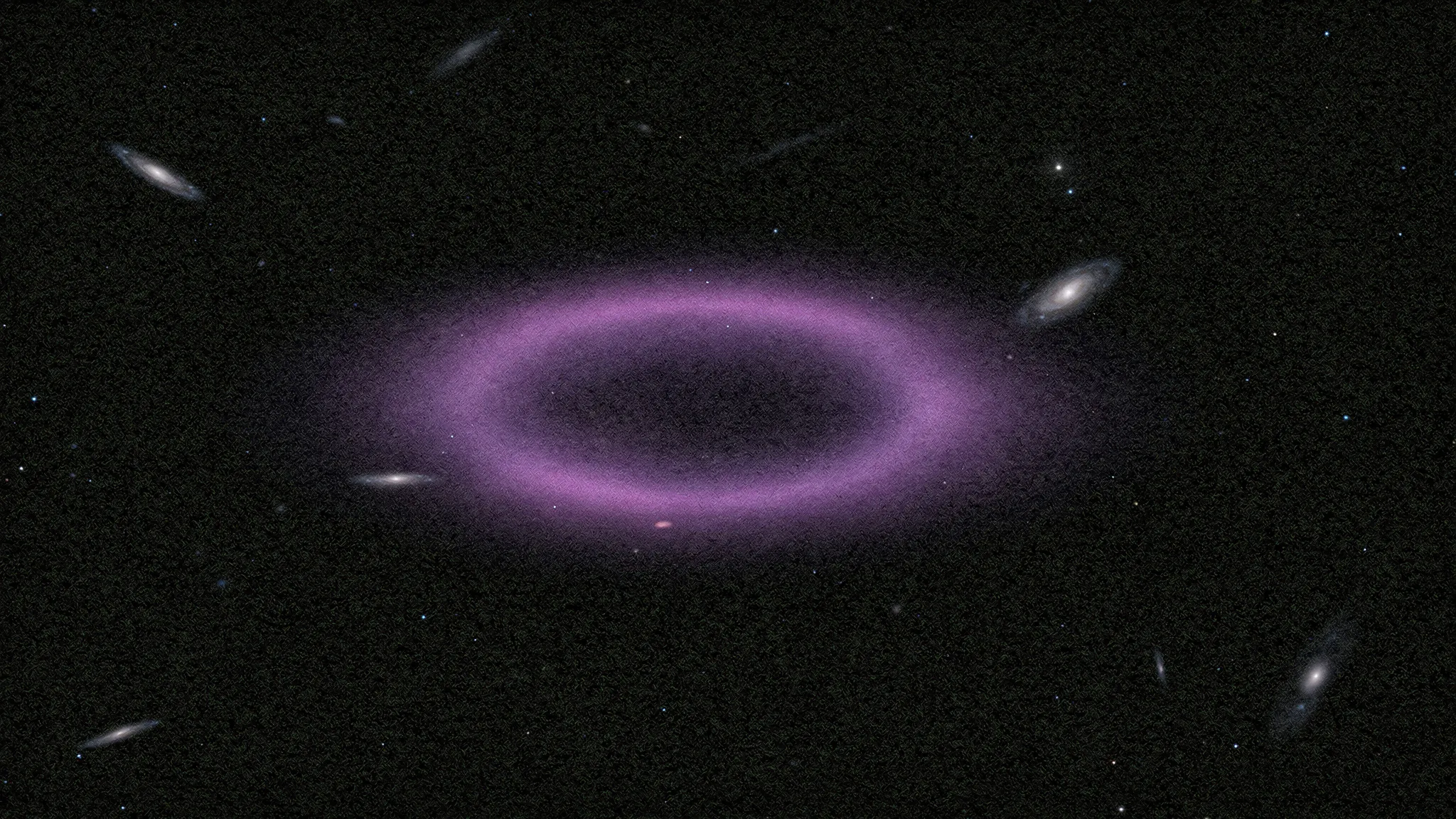
When two neutron stars merge, they forge heavy elements in a flash called a kilonova. Only a few remnants of such blasts should exist in our Galaxy. None has ever been found.
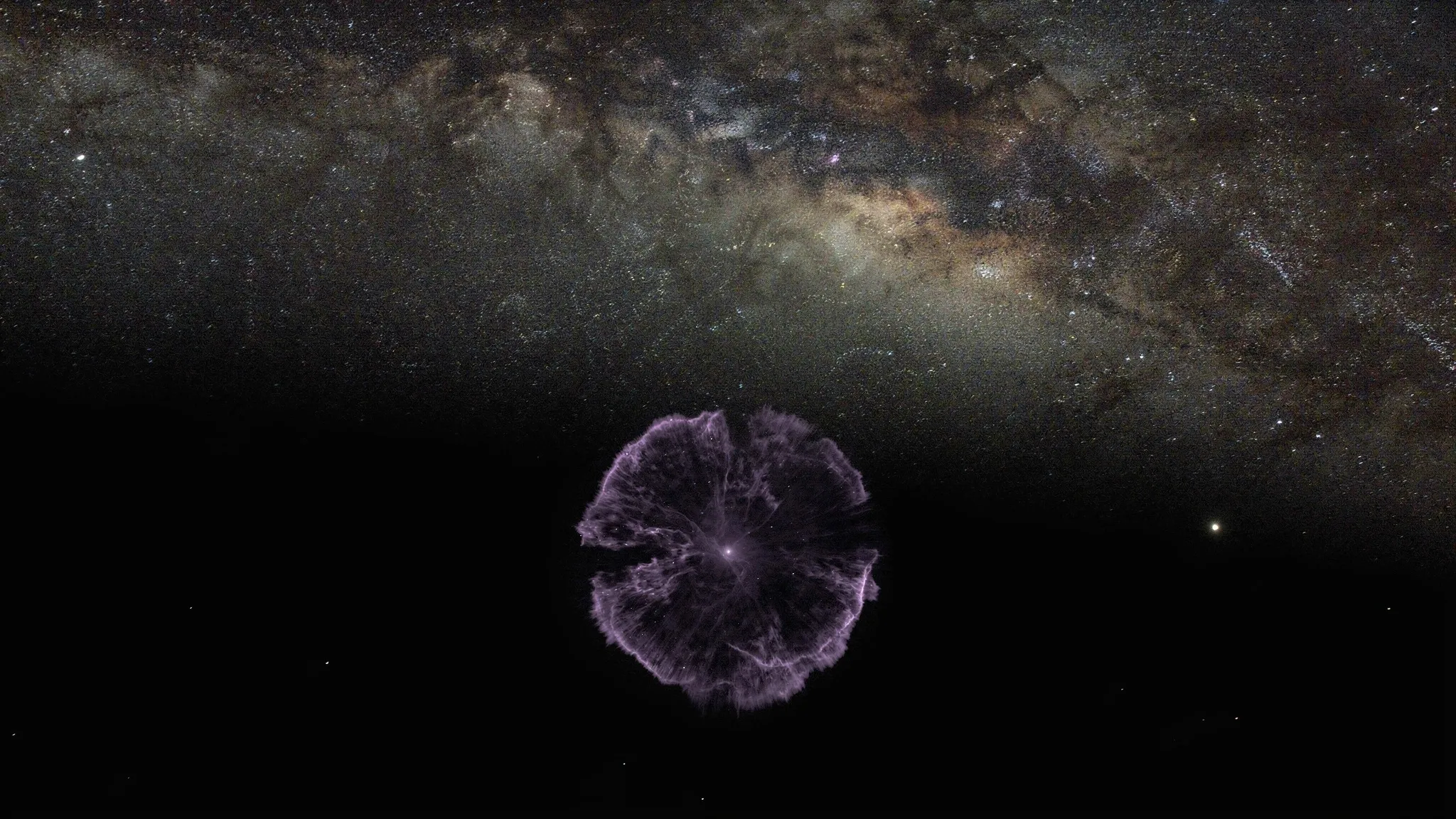
A team in Beijing and Notre Dame studied HESS J1507−622. This gamma-ray source sits oddly far from the Milky Way's plane. No pulsar, no shell, no X-ray glow explains it.
Their model fits it as a kilonova remnant, 200 to 3,000 years old. It favours an age under 1,000 years, at 3.8 to 14.3 kiloparsecs. The explosion could have rivalled the brightest planets.
So why is there no historical record? It faded within days, very far south. A future MeV telescope or a faint light echo could settle the case.
Source: HESS J1507-622: A Plausible Young Galactic Kilonova Remnant, https://arxiv.org/abs/2609.38341