۲۷ ستمبر ۲۰۲۶ دا شمارہ

  1. خلا تے فلکیات

    A GALAXY WITH NO STARS?

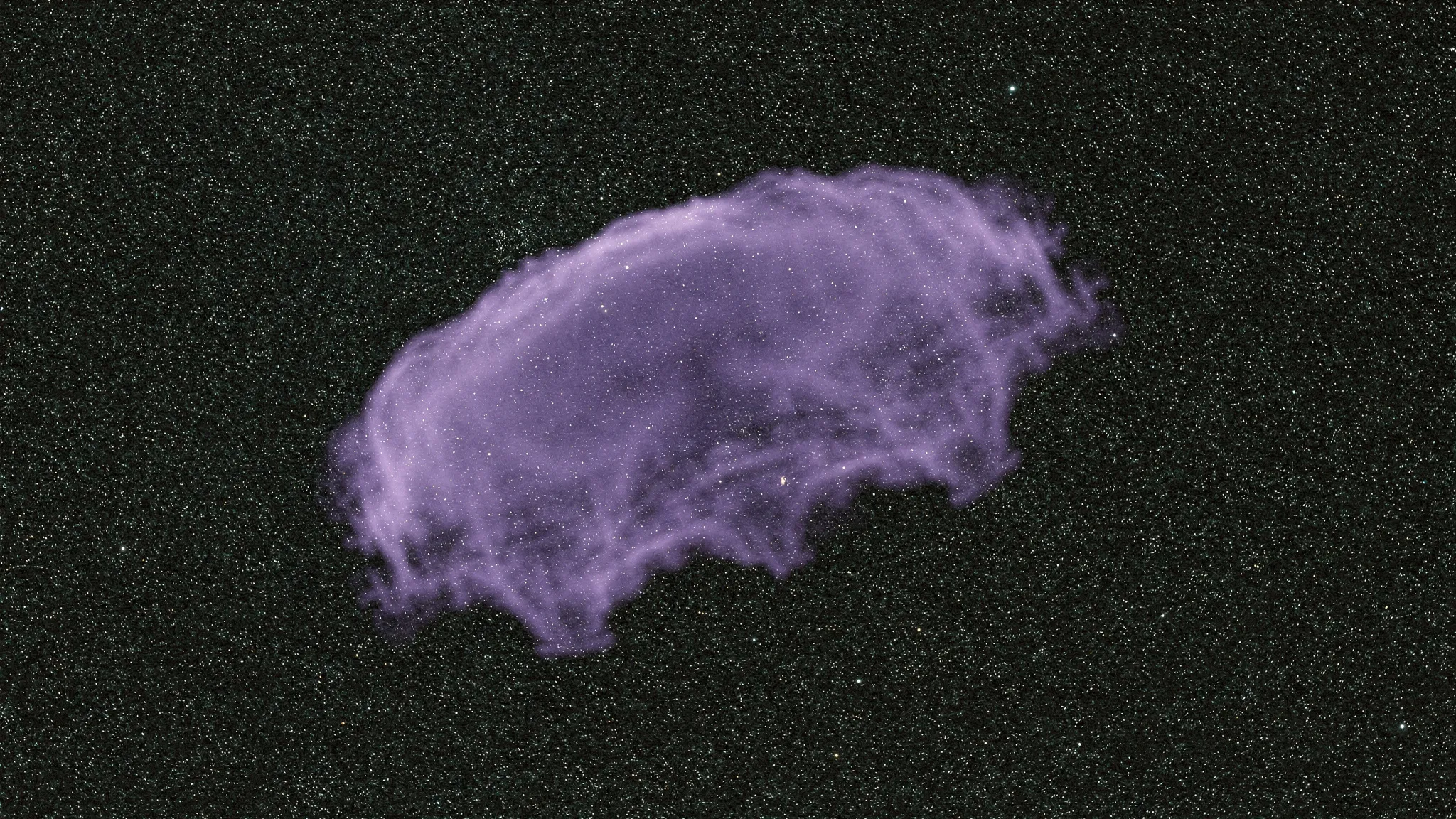
    A diffuse, irregular violet cloud of gas against a dense field of stars that shine through it.

    Astronomers in China have found a lonely cloud of hydrogen. It floats about 12 million light-years away, with no galaxy nearby.

    Deep images from the DESI survey show no stars inside. Yet the cloud does not fly apart. Something invisible holds it together.

    That something is dark matter. The cloud weighs about 200 times more than its gas. It could be a "dark galaxy": gas that never managed to form stars.

    Our model of the universe predicts such starless galaxies. Earlier candidates sat next to big galaxies that could have torn them apart. This one is alone, the cleanest candidate yet. Only Hubble or JWST can rule out very faint stars.

    Source: Discovery of an isolated RELHIC Candidate: J1351+0039, https://arxiv.org/abs/2609.29852
    پری پرنٹمشاہدہپڑھن لئی ۳ منٹ
  2. کیمیا

    جیل دے دانے جیہڑے ٹھوس برف وچوں رینگدے نیں

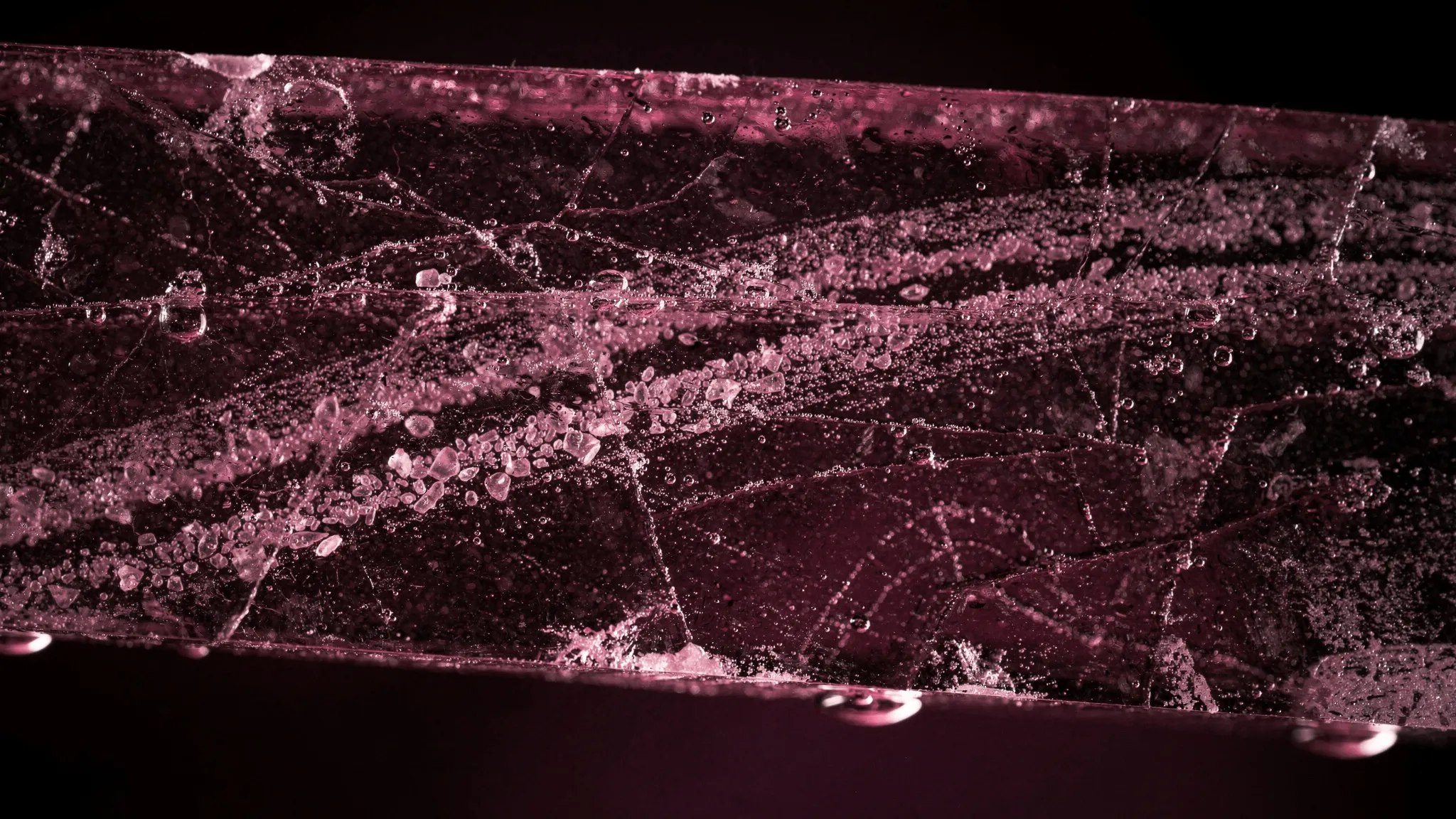
    پچھوں مجینٹا روشنی نال چمکدی برف دی اک سل دی نیڑے توں کھچی تصویر، جہدے اندر جیل دے نکے دانے تے باریک تریڑاں نیں۔

    جیل دے نکے نکے دانیاں نوں برف وچ جما دیو۔ اک پاسے نوں تھوڑا جیہا گرم کرو۔ کیہ ہوندا اے؟ دانے ٹھوس برف وچوں، گرم پاسے ول، ہلن لگ پیندے نیں۔

    گُر ایہ اے: برف جیل وچوں پانی چوس لیندی اے۔ گرم پاسے پانی پگھلدا اے، دانے وچوں وگدا اے تے اوہدے پچھے فیر جم جاندا اے۔ اوہ نویں برف دانے نوں اگے دھکدی اے۔

    ای ٹی ایچ زیورخ (ETH Zurich) دی اک ٹیم نے ایہنوں ناپن دا اوزار بنا دتا۔ ہر دانے دی رفتار تے سوجن دسدی اے پئی جیل دے اندر پانی کیویں ہلدا اے۔

    جیل ہر تھاں نیں: سپر ایبزوربینٹ، دوائی پہنچان والے نظام، نرم روبوٹ، کرکری ہڈی۔ اوہناں دیاں مکھ خوبیاں ناپنا بدنام حد تیکر اوکھا اے۔ ایہ طریقہ پیکو لیٹر دے نمونیاں توں ہزاراں ڈیٹا پوائنٹ دیندا اے۔ تے ایہ دسدا اے پئی کتاباں والے فارمولے اصل جیلاں لئی غلط نیں۔

    ماخذ: Extracting hydrogel properties by watching hydrogel particles moving through solid ice, https://arxiv.org/abs/2609.29904

    پری پرنٹتجربہپڑھن لئی ۳ منٹ
  3. فزکس

    100 MILLION PHOTONS A SECOND FROM ONE MOLECULE

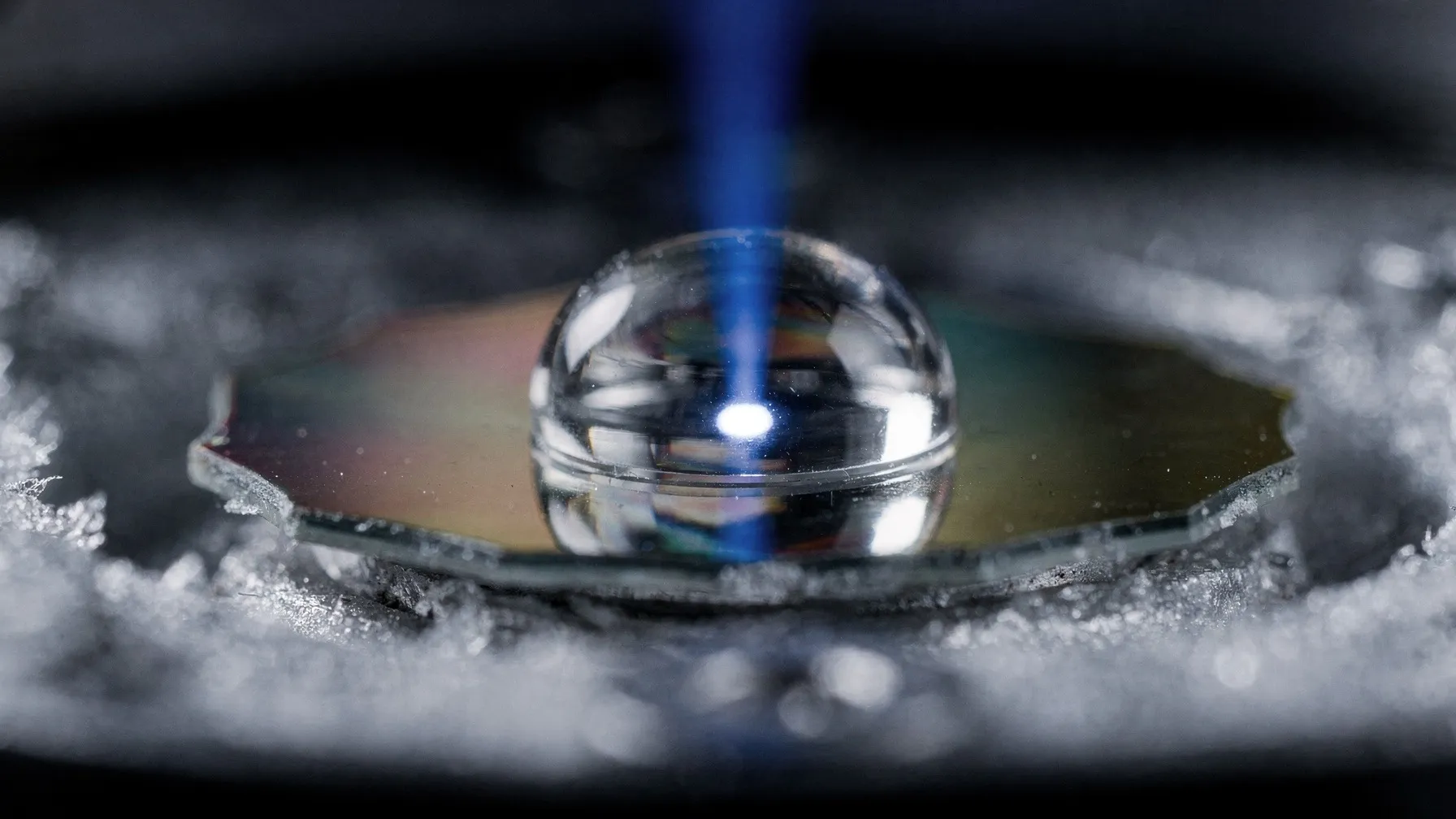
    Macro photograph of a small glass hemisphere on a mirrored chip, a point of light at its base and a blue beam rising from it.

    Quantum technologies need light sources that emit photons one by one. Most of that light is lost inside the material. Can we catch it all?

    A Max Planck team in Erlangen trapped one organic molecule in a thin crystal layer. The layer is 140 nanometres thick. It sits under a tiny glass dome, above a silver mirror.

    The result: 97 % of the light reaches the first lens. That is about 100 million photons per second from one molecule. It is a record for any cold single-photon source.

    Quantum communication and optical quantum computers need bright, pure, identical photons. Here, 97.7 % come out alone and 91 % are identical. And molecules are cheap, tiny, and their colour is chosen by chemistry.

    Source: 100 million photons per second from a single organic molecule, https://arxiv.org/abs/2609.29736

    پری پرنٹتجربہپڑھن لئی ۳ منٹ
  4. خلا تے فلکیات

    WAS A SATURN MOON MADE FROM TITAN'S ICE?

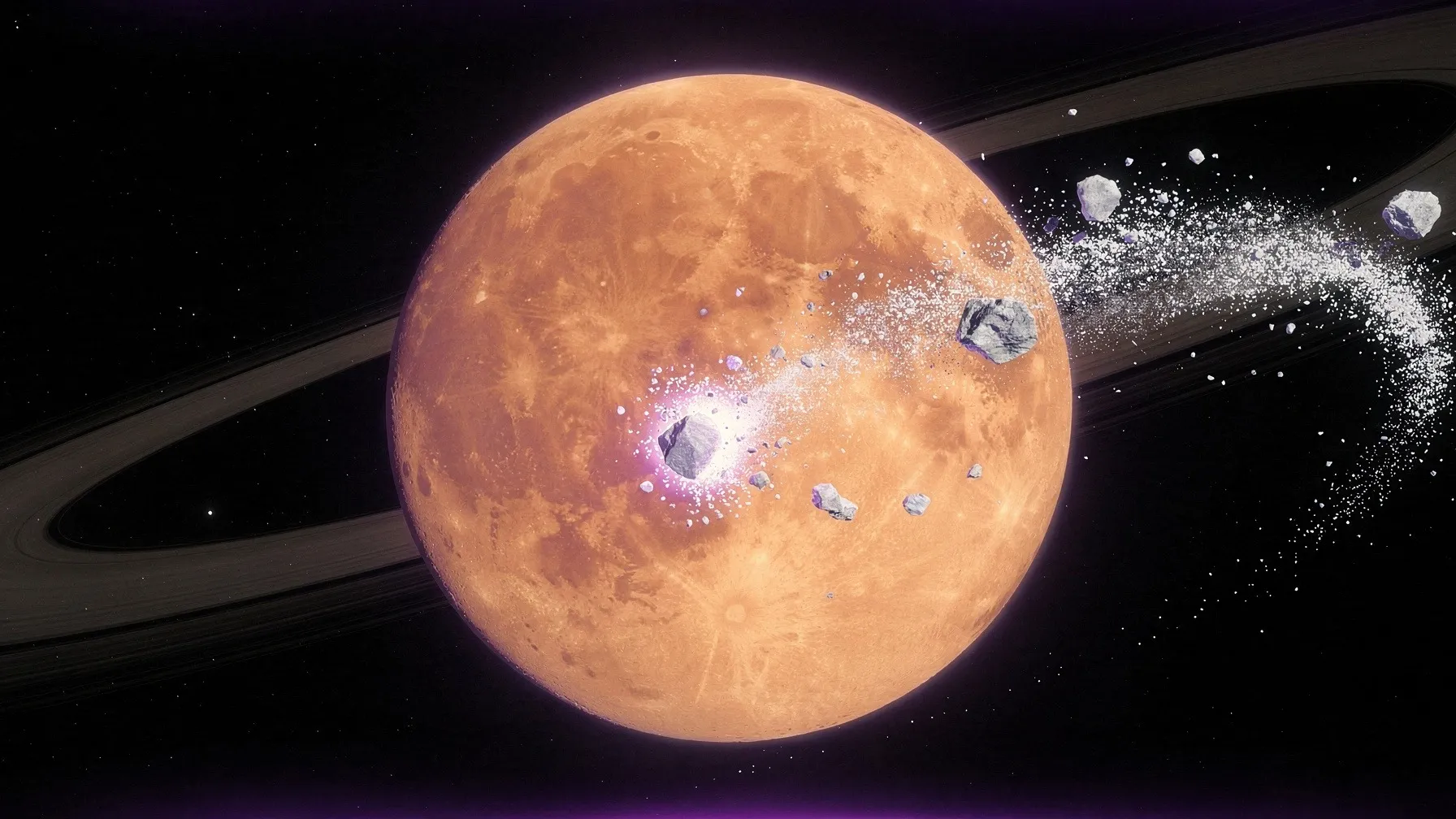
    Space art of a hazy orange moon struck by an icy body, a spray of ice fragments fanning out, Saturn's rings in the background.

    Iapetus, a moon of Saturn, is strangely rich in ice. And Titan's orbit is oddly stretched. Could one collision explain both?

    A researcher simulated impacts on Titan. A body one tenth of Titan's mass hits it at 10 km/s. The blow throws out ice from Titan's outer layer.

    About 3.5 Iapetus masses of debris stay in orbit around Saturn. It is 83 % ice, mostly torn from Titan. Titan's orbit becomes stretched too.

    A bold idea about how moons are born, put to the test. But the ice ends up on very elongated orbits. Turning it into Iapetus would need gas or debris to round them off. That part is not simulated yet.

    Source: A Collisional Origin for Ice-rich Iapetus and Titan's Anomalous Eccentricity, https://arxiv.org/abs/2609.28948

    پری پرنٹسمیولیشنپڑھن لئی ۲ منٹ
  5. فزکس

    SEEING THROUGH LEAD WITH LASER-MADE MUONS

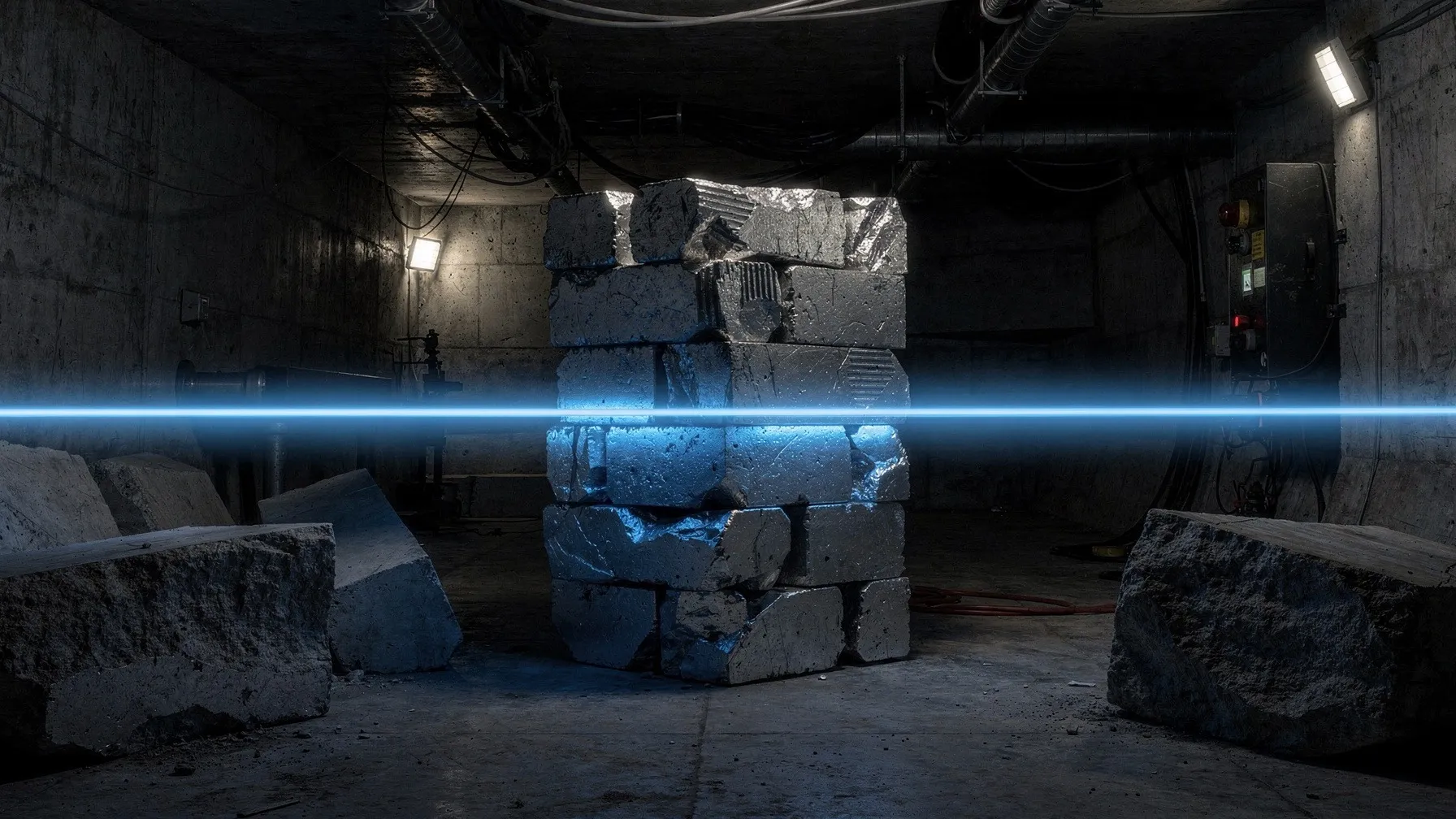
    A dark underground experimental hall where a thin blue beam of light crosses a block of stacked bricks.

    Muons are heavy cousins of the electron. They pass through rock and metal. They already revealed a hidden void inside Khufu's pyramid.

    The catch: we only had muons from the sky. About one per square centimetre per second, mostly from above. Images take a very long time.

    In Romania, a 10-petawatt laser fired 230 shots. It sped electrons up to 8 GeV, then slammed them into a block of lead. Out came muons, detected up to 42 metres away.

    The team imaged a lead block 25 cm thick with these artificial muons. A world first, say the authors. No more waiting for the weak, uncontrolled flux of sky muons.

    Source: Imaging with GeV muons produced via laser-wakefield-accelerated electrons, https://arxiv.org/abs/2609.28788

    پری پرنٹتجربہپڑھن لئی ۳ منٹ
  6. طب تے صحت

    WHEN THE FINGER CLIP IS FOOLED BY SKIN COLOUR

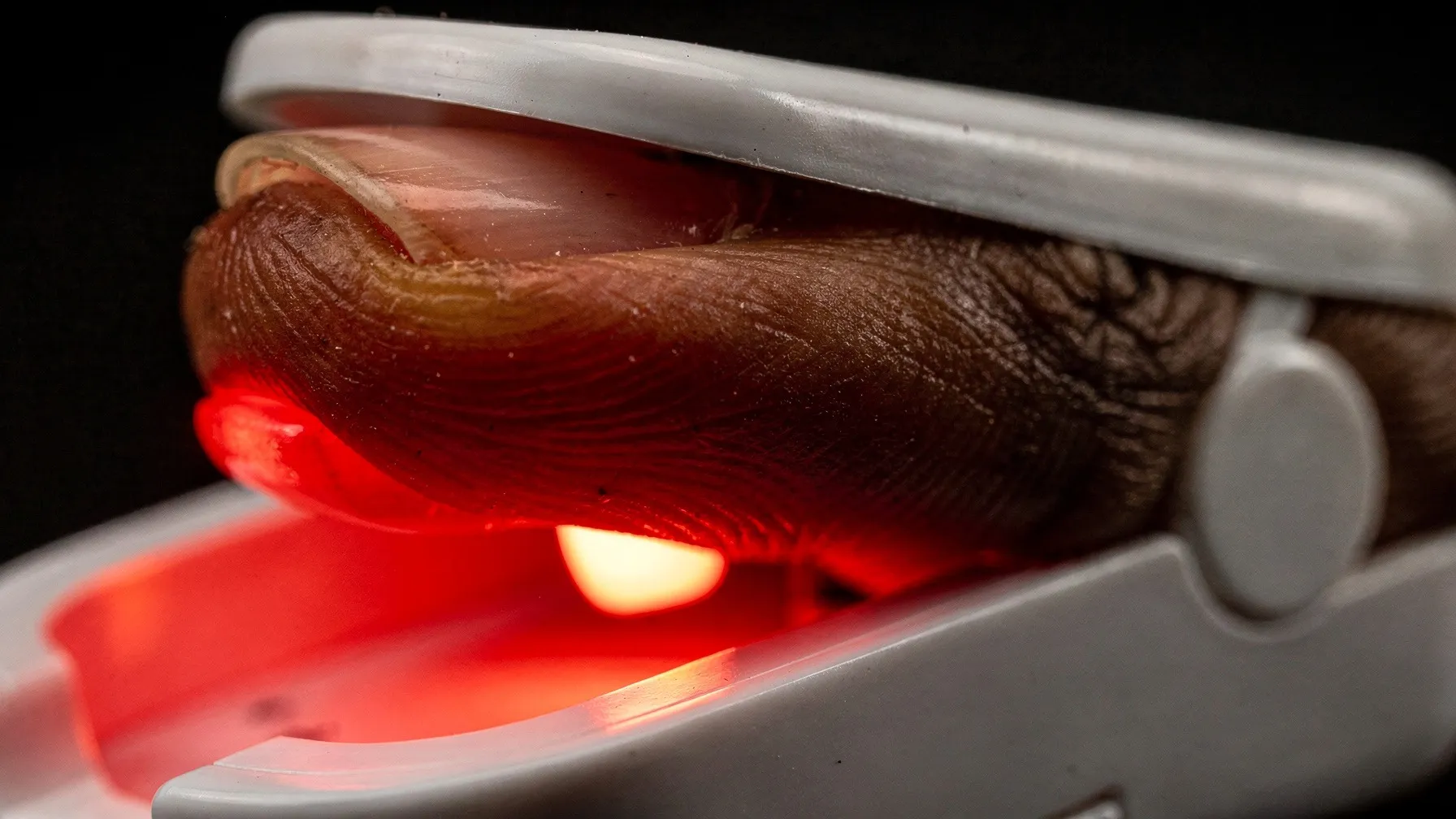
    Macro photograph of a fingertip with dark brown skin in a white pulse oximeter clip, red light glowing through the finger.

    The little clip on your finger measures oxygen in your blood. But it tends to overestimate it in people with dark skin. Low oxygen can then go unnoticed.

    One suspected cause: its LEDs emit a broad band of colours. Melanin absorbs some of them more than others. The colour the sensor sees shifts with skin tone.

    A Tufts University team tested a physics-based correction for melanin. They used public data from 98 volunteers and 2,991 blood samples.

    In their fits, the skin-tone bias fell from +2.8 to +0.1 points. But honesty first: none of these trends is statistically significant yet. About ten times more patients are needed.

    Source: Melanin- and linewidth-corrected pulse-oximetry, https://arxiv.org/abs/2609.30122

    پری پرنٹڈیٹا دا تجزیہپڑھن لئی ۳ منٹ
  7. دھرتی تے موسم

    EARTHQUAKES IN A LAB: THE WATER THAT FLIPS

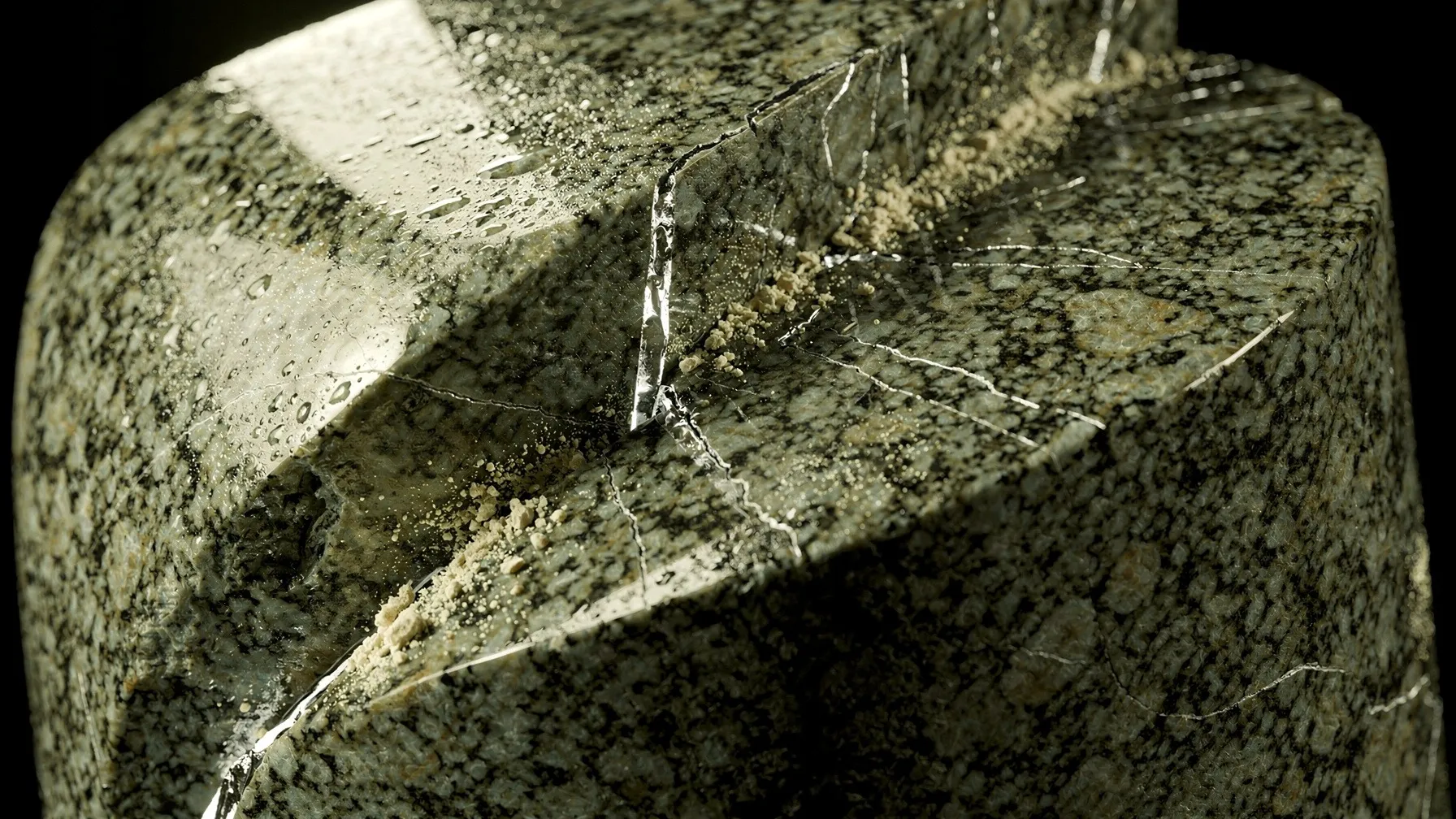
    Macro photograph of a granite cylinder cut diagonally, the two halves offset along a thin wet fault line.

    Water trapped in a fault can make an earthquake worse. Or it can slow it down. Which one wins?

    In Paris, a team triggered miniature earthquakes in water-soaked granite. At first, friction heated the water. Its pressure jumped by about 7 megapascals, weakening the fault.

    Then it flipped. The fault cracked and made room. Water pressure collapsed, by up to 15 megapascals. And between the two phases, slow earthquakes appeared. The flip showed up in all four experiments.

    A first, say the authors: both effects measured directly on one evolving fault. Water pressure even moved up to 50 seconds before rupture. In the lab, the water gave a warning signal.

    Source: Competition between thermal pressurization and dilatant strengthening in laboratory ruptures, https://arxiv.org/abs/2609.29617

    پری پرنٹتجربہپڑھن لئی ۳ منٹ
  8. کمپیوٹنگ تے مصنوعی ذہانت

    19 SECONDS VERSUS A CENTURY OF SUPERCOMPUTING

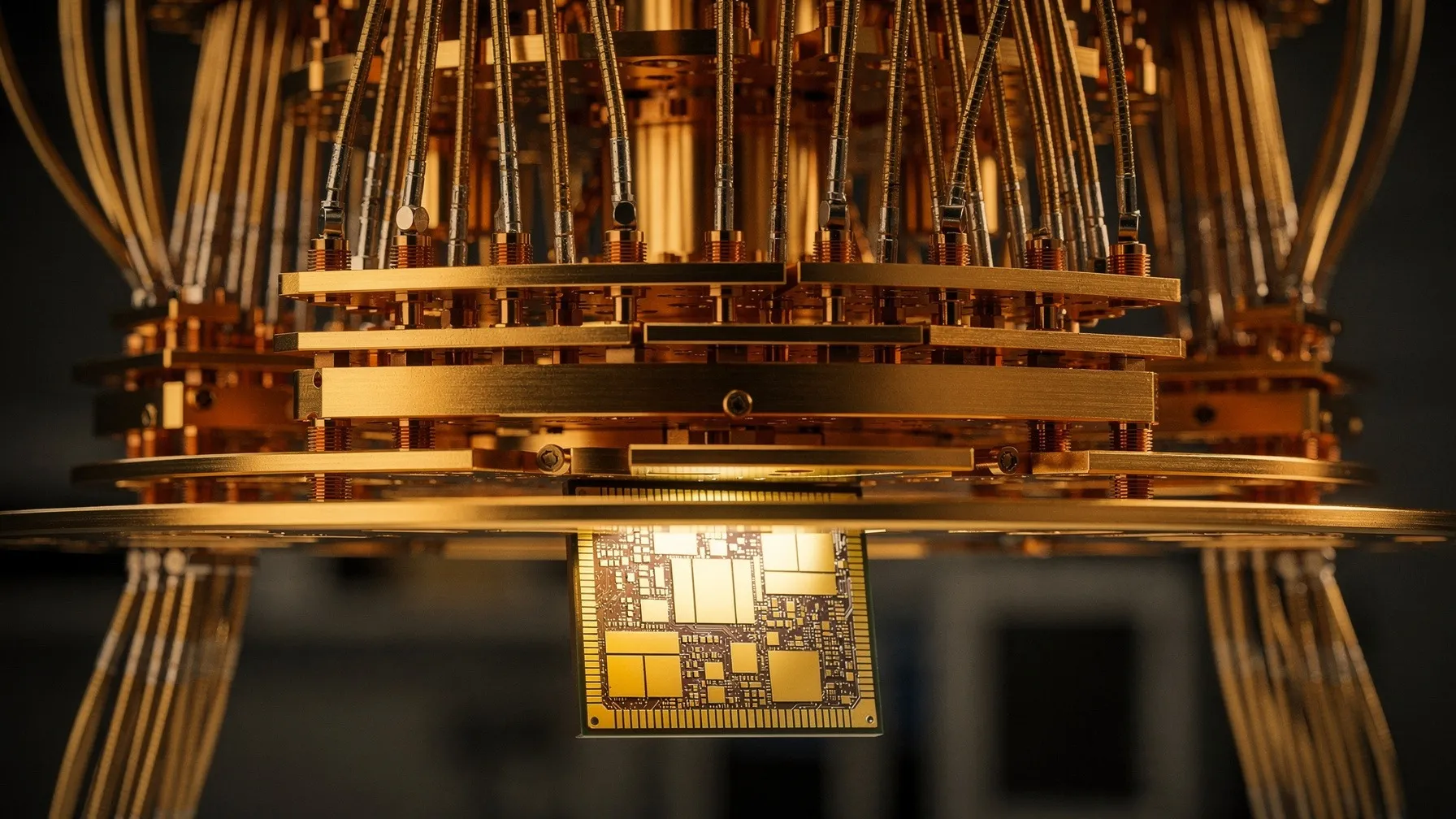
    Close-up of a square quantum processor chip at the bottom of a gold-plated cryogenic chandelier with cables and copper plates.

    "Quantum advantage" means a quantum computer beats every classical supercomputer at a task. Until now, it took special lab machines, tuned for the occasion.

    A startup, BlueQubit, used an IBM processor rented through the cloud. No special tuning. It ran random circuits on 61 qubits.

    One million samples took 19 seconds. The best known classical method would need about 110 years on Frontier, a top supercomputer. The whole experiment used about 11 minutes of machine time.

    Almost any user could now reproduce such a test. But careful: this task has no practical use. It is a stopwatch for raw power. And better classical algorithms have cut such claims before.

    Source: Quantum computational advantage in random-circuit sampling on IBM superconducting quantum computers, https://arxiv.org/abs/2609.28657

    پری پرنٹتجربہپڑھن لئی ۳ منٹ
  9. حساب

    پردے دی راڈ نال سورج نوں ناپنا

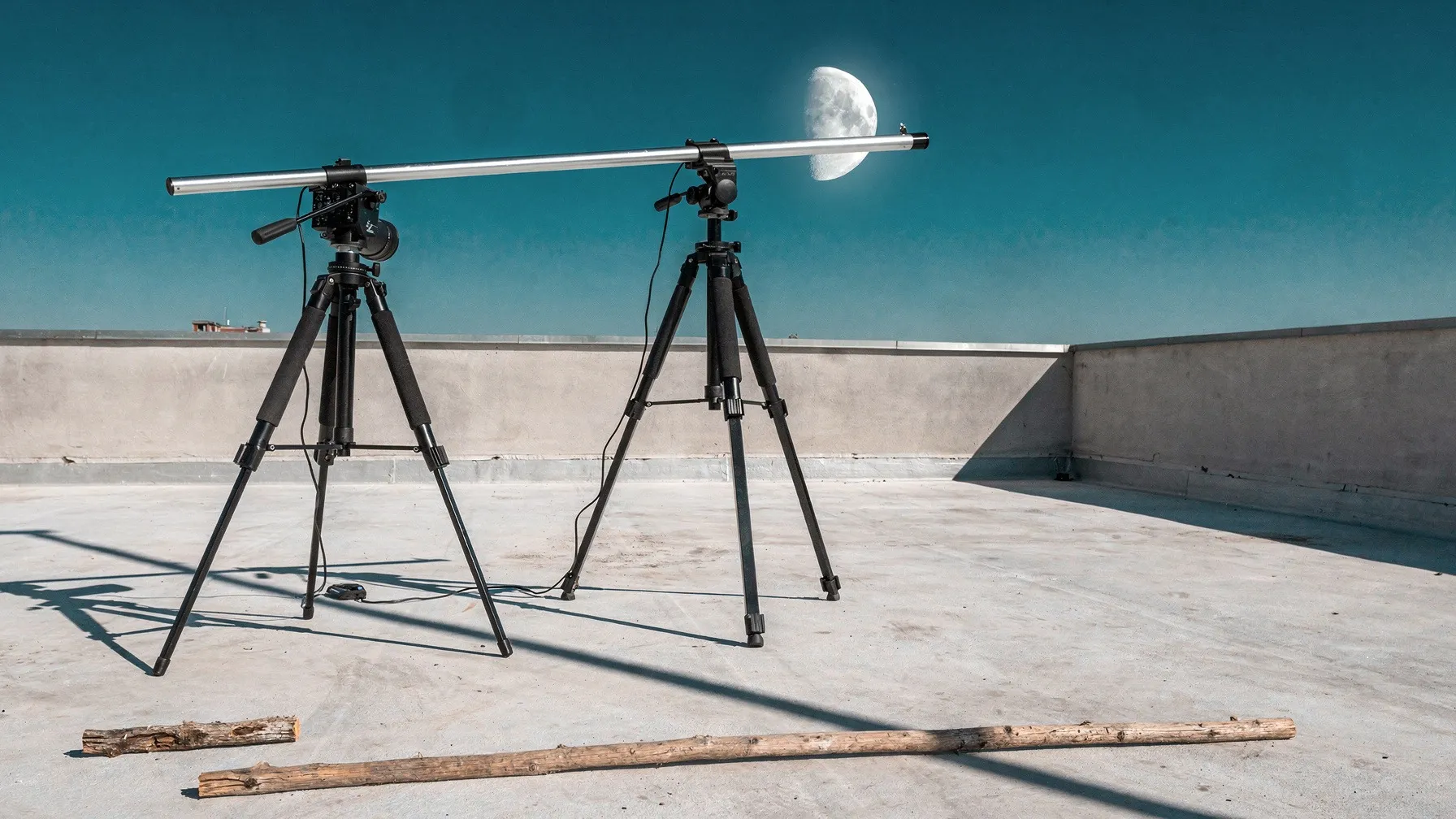
    سیان رنگے اسمان تھلے چھت دے ٹیرس اتے کیمرے دے ٹرائی پوڈاں اتے رکھی دھات دی اک راڈ، تے اسمان وچ ادھا چن۔

    2,000 ورھیاں توں ودھ پہلاں، یونانی ارسطرخس نے اک دلیری والا سوال پچھیا۔ سورج، چن نالوں کنا ودھ دور اے؟ اوہدا گُر: ادھے چن ویلے، سورج، چن تے دھرتی اک سدھا زاویہ (90°) بناندے نیں۔

    اوہنے لبھیا پئی سورج چن نالوں 19 گنا ودھ دور اے۔ اصل جواب تقریباً 400 اے۔ 90° دے نیڑے، زاویے وچ نکی جیہی غلطی وی سب کجھ بدل دیندی اے۔

    چلی وچ اک ٹیم نے ایہ تجربہ فیر توں بنایا۔ اوہناں دے اوزار: 1.5 میٹر دی پردے دی راڈ، فوٹو والا ٹرائی پوڈ، ناپن والا فیتہ۔ راڈ نوں چن ول سدھا کرو۔ سورج ولوں پائے گئے اوہدے پرچھاویں نوں ناپو۔

    اوہناں دا نتیجہ: تقریباً 97، ارسطرخس نالوں پنج گنا چنگا، ہارڈویئر دی دکان دے اوزاراں نال۔ کوئی وی جماعت ایہ کر کے ویکھ سکدی اے، تے اسمان اتے ٹرگنومیٹری سکھ سکدی اے۔

    ماخذ: Revisiting Aristarchus's method to estimate the ratio of the distances from Earth to the Sun and the Moon, https://arxiv.org/abs/2609.28513

    پری پرنٹتجربہپڑھن لئی ۴ منٹ
  10. طب تے صحت

    HOW SCARLET FEVER LOST ITS GRIP ON LONDON

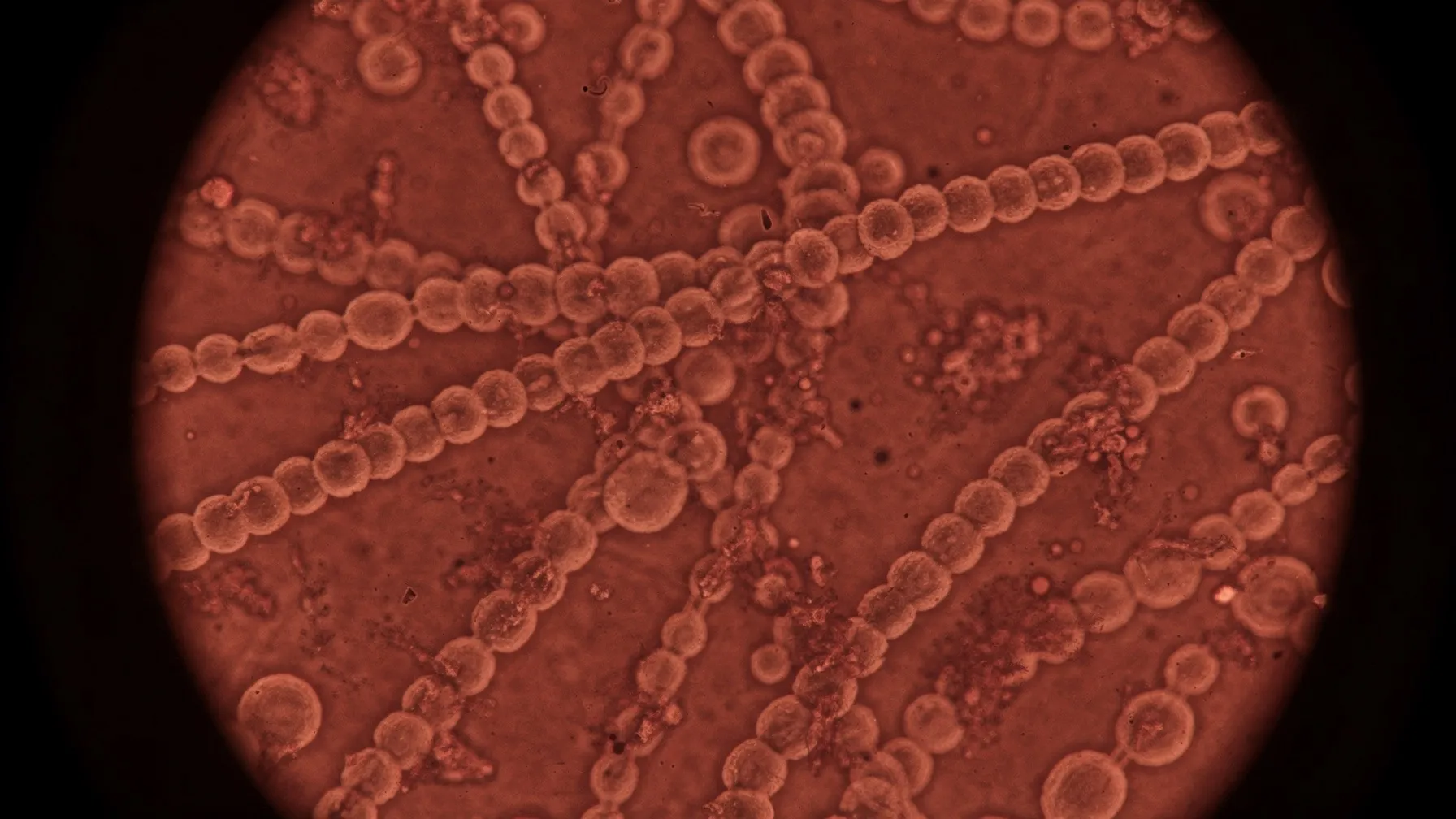
    Light microscope view of chains of small round bacteria strung together like beads, backlit in red.

    In the 19th century, scarlet fever killed about 10,000 people a year in England and Wales. Mostly young children, sometimes within a few days.

    Then, in London, deaths fell from about 2,300 to about 80 a year. Before antibiotics even existed. How?

    Two mathematicians in Canada studied a century of weekly records, from 1842 to 1939. The epidemics came back every autumn. On top, a longer cycle stretched from about 4 to about 8 years.

    A simple epidemic model explains almost all these changes. The disease became less transmissible, while birth rates shifted. The bacterium itself may have evolved. And old archives can still reveal how epidemics work.

    Source: Scarlet Fever Dynamics in 19th and 20th Century London, https://arxiv.org/abs/2609.28545

    پری پرنٹڈیٹا دا تجزیہپڑھن لئی ۳ منٹ
Legal notice