Edición del 27 de septiembre de 2026

  1. Espacio y astronomía

    ¿UNA GALAXIA SIN ESTRELLAS?

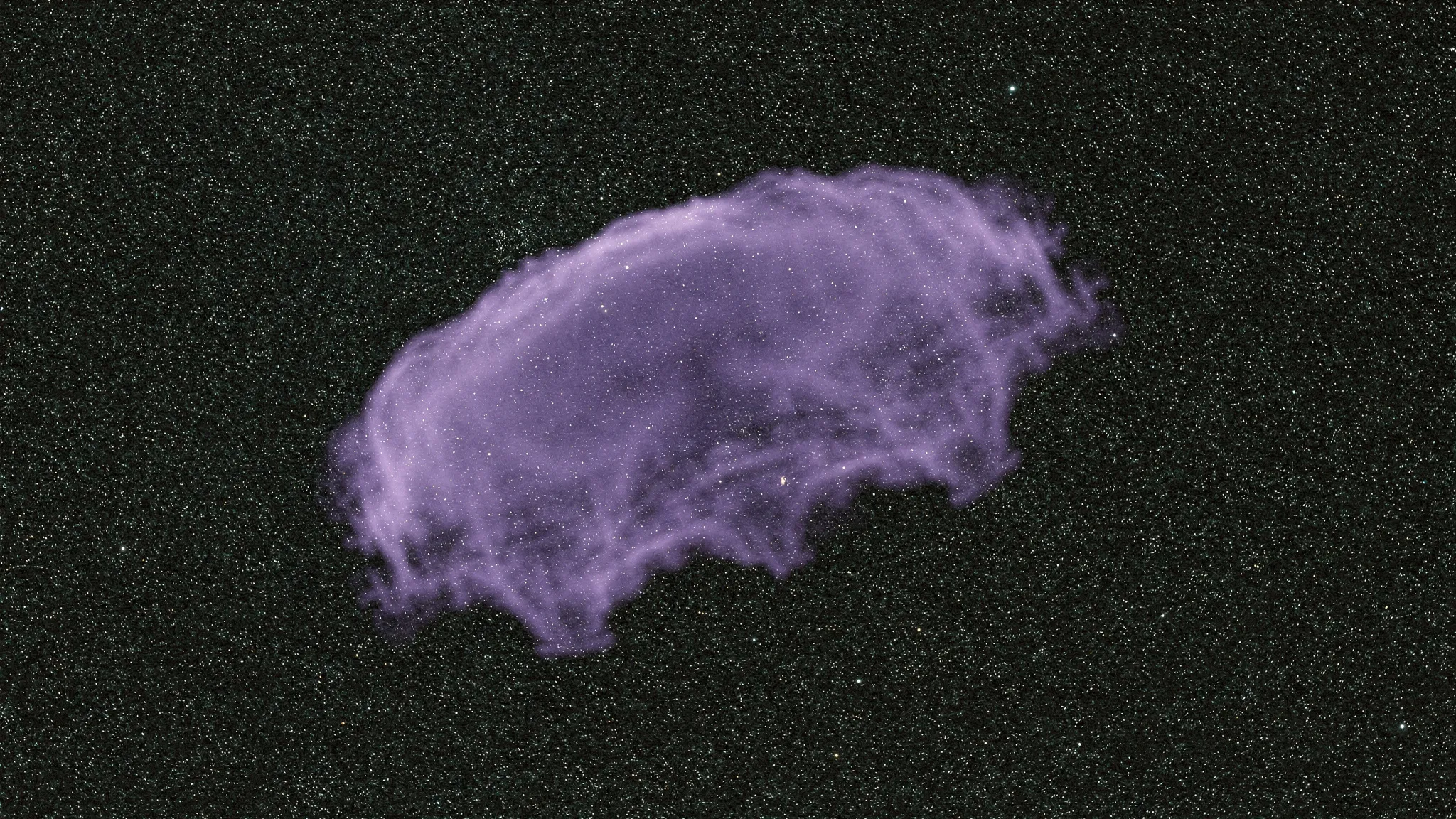
    Una nube de gas violeta, difusa e irregular, sobre un denso campo de estrellas que brillan a través de ella.

    Unos astrónomos en China han encontrado una nube solitaria de hidrógeno. Flota a unos 12 millones de años luz, sin ninguna galaxia cerca.

    Las imágenes profundas del sondeo DESI no muestran estrellas en su interior. Sin embargo, la nube no se dispersa. Algo invisible la mantiene unida.

    Ese algo es materia oscura. La nube pesa unas 200 veces más que su gas. Podría ser una «galaxia oscura»: gas que nunca logró formar estrellas.

    Nuestro modelo del universo predice esas galaxias sin estrellas. Los candidatos anteriores estaban junto a grandes galaxias que podrían haberlos desgarrado. Este está solo: es el candidato más limpio hasta ahora. Solo el Hubble o el JWST pueden descartar estrellas muy débiles.

    Fuente: Discovery of an isolated RELHIC Candidate: J1351+0039, https://arxiv.org/abs/2609.29852
    PrepublicaciónObservación3 min de lectura
  2. Química

    GRANOS DE GEL QUE AVANZAN A TRAVÉS DEL HIELO SÓLIDO

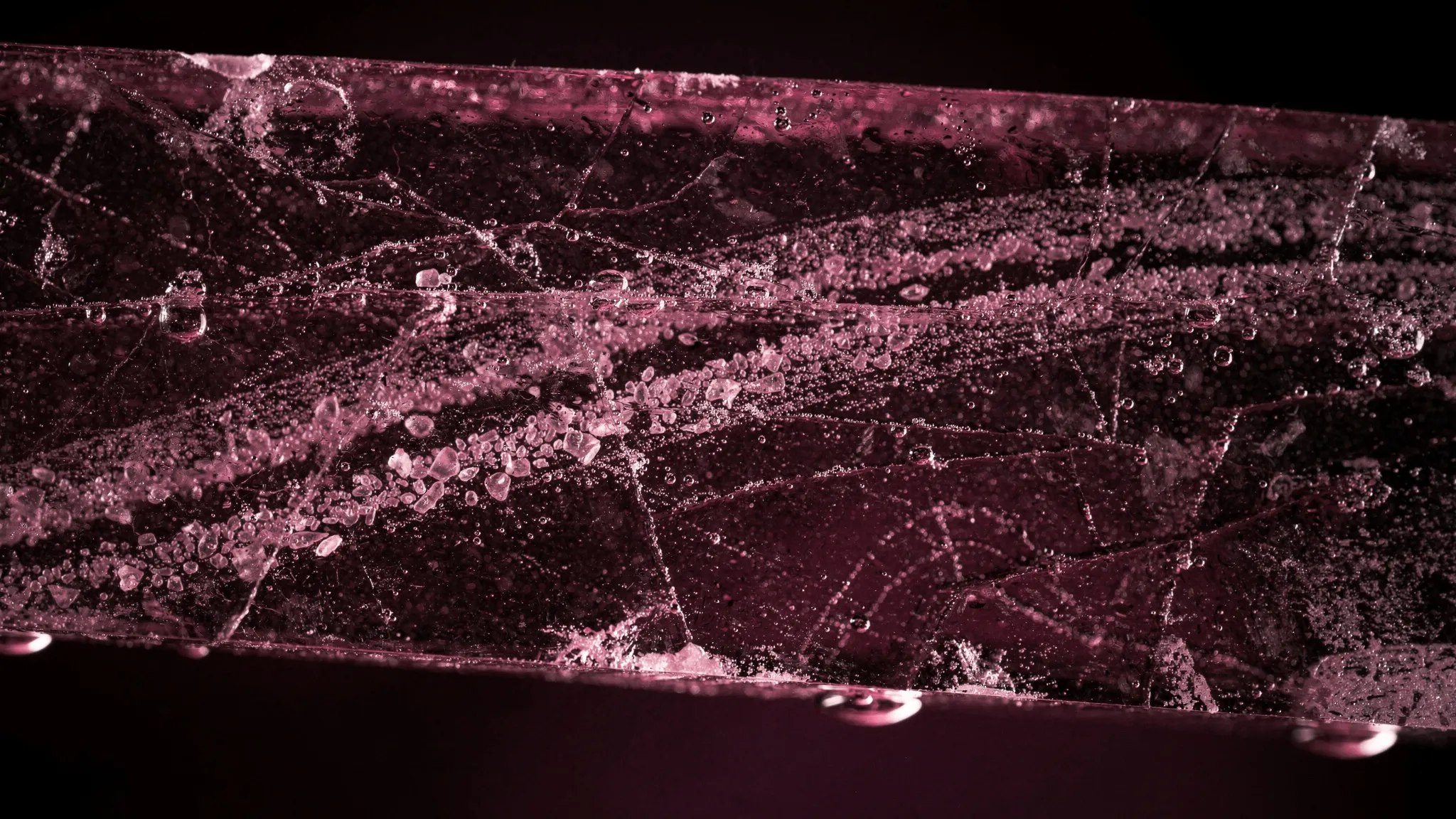
    Macrofotografía de una placa de hielo retroiluminada en magenta, con pequeños granos de gel y finas grietas en su interior.

    Congele diminutos granos de gel dentro de hielo. Caliente ligeramente un lado. ¿Qué ocurre? Los granos empiezan a moverse a través del hielo sólido, hacia el lado cálido.

    El truco: el hielo absorbe el agua del gel. El agua se funde en el lado cálido, fluye a través del grano y se vuelve a congelar detrás de él. Ese hielo nuevo empuja el grano hacia delante.

    Un equipo de la ETH de Zúrich convirtió esto en una herramienta de medida. La velocidad y el hinchamiento de cada grano revelan cómo se mueve el agua dentro del gel.

    Los geles están por todas partes: superabsorbentes, liberación de fármacos, robots blandos, cartílago. Sus propiedades clave son notoriamente difíciles de medir. Este método da miles de datos a partir de muestras de picolitros. Y muestra que las fórmulas de los libros de texto fallan con los geles reales.

    Fuente: Extracting hydrogel properties by watching hydrogel particles moving through solid ice, https://arxiv.org/abs/2609.29904

    PrepublicaciónExperimento3 min de lectura
  3. Física

    100 MILLION PHOTONS A SECOND FROM ONE MOLECULE

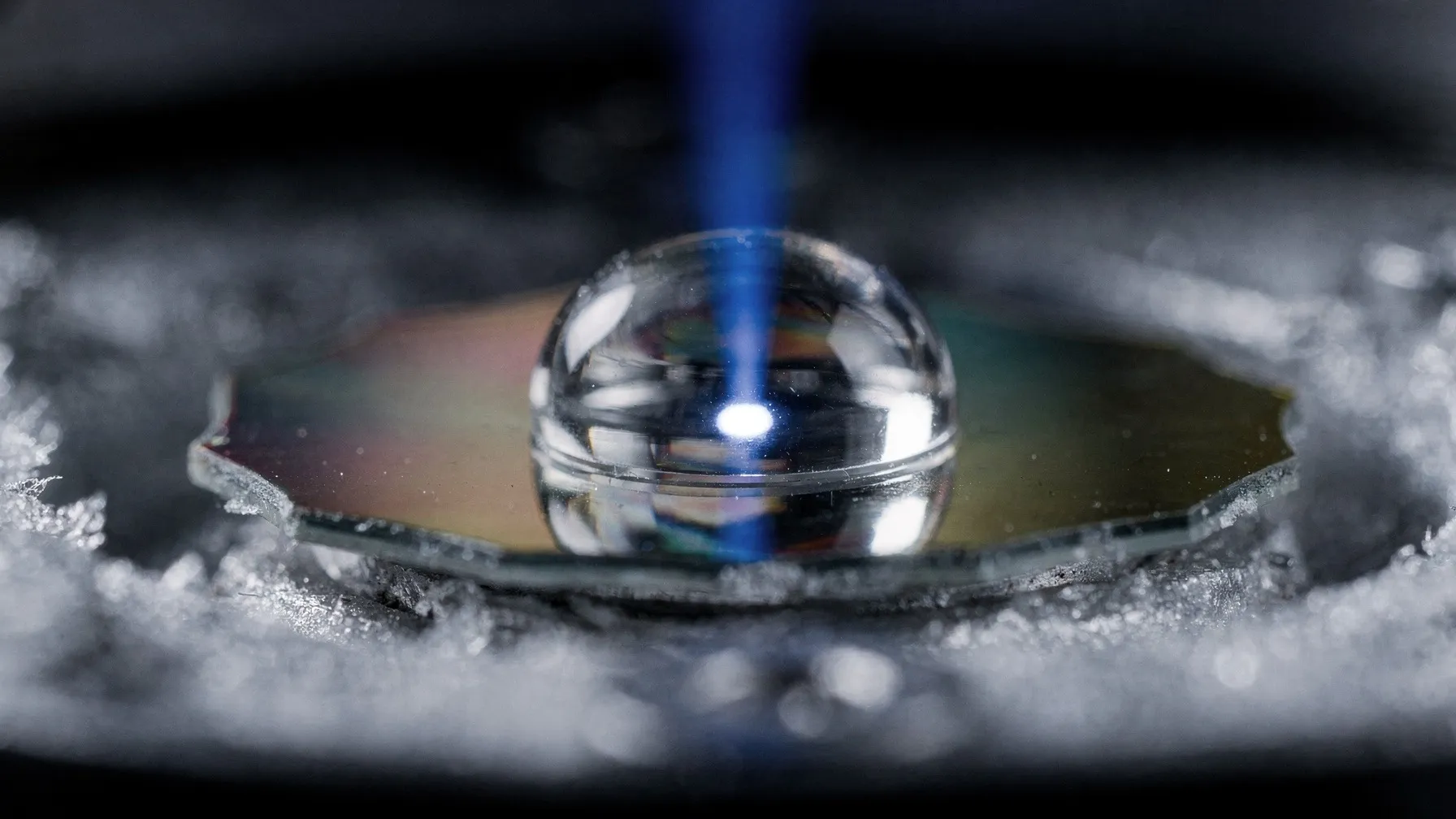
    Macro photograph of a small glass hemisphere on a mirrored chip, a point of light at its base and a blue beam rising from it.

    Quantum technologies need light sources that emit photons one by one. Most of that light is lost inside the material. Can we catch it all?

    A Max Planck team in Erlangen trapped one organic molecule in a thin crystal layer. The layer is 140 nanometres thick. It sits under a tiny glass dome, above a silver mirror.

    The result: 97 % of the light reaches the first lens. That is about 100 million photons per second from one molecule. It is a record for any cold single-photon source.

    Quantum communication and optical quantum computers need bright, pure, identical photons. Here, 97.7 % come out alone and 91 % are identical. And molecules are cheap, tiny, and their colour is chosen by chemistry.

    Source: 100 million photons per second from a single organic molecule, https://arxiv.org/abs/2609.29736

    PrepublicaciónExperimento3 min de lectura
  4. Espacio y astronomía

    WAS A SATURN MOON MADE FROM TITAN'S ICE?

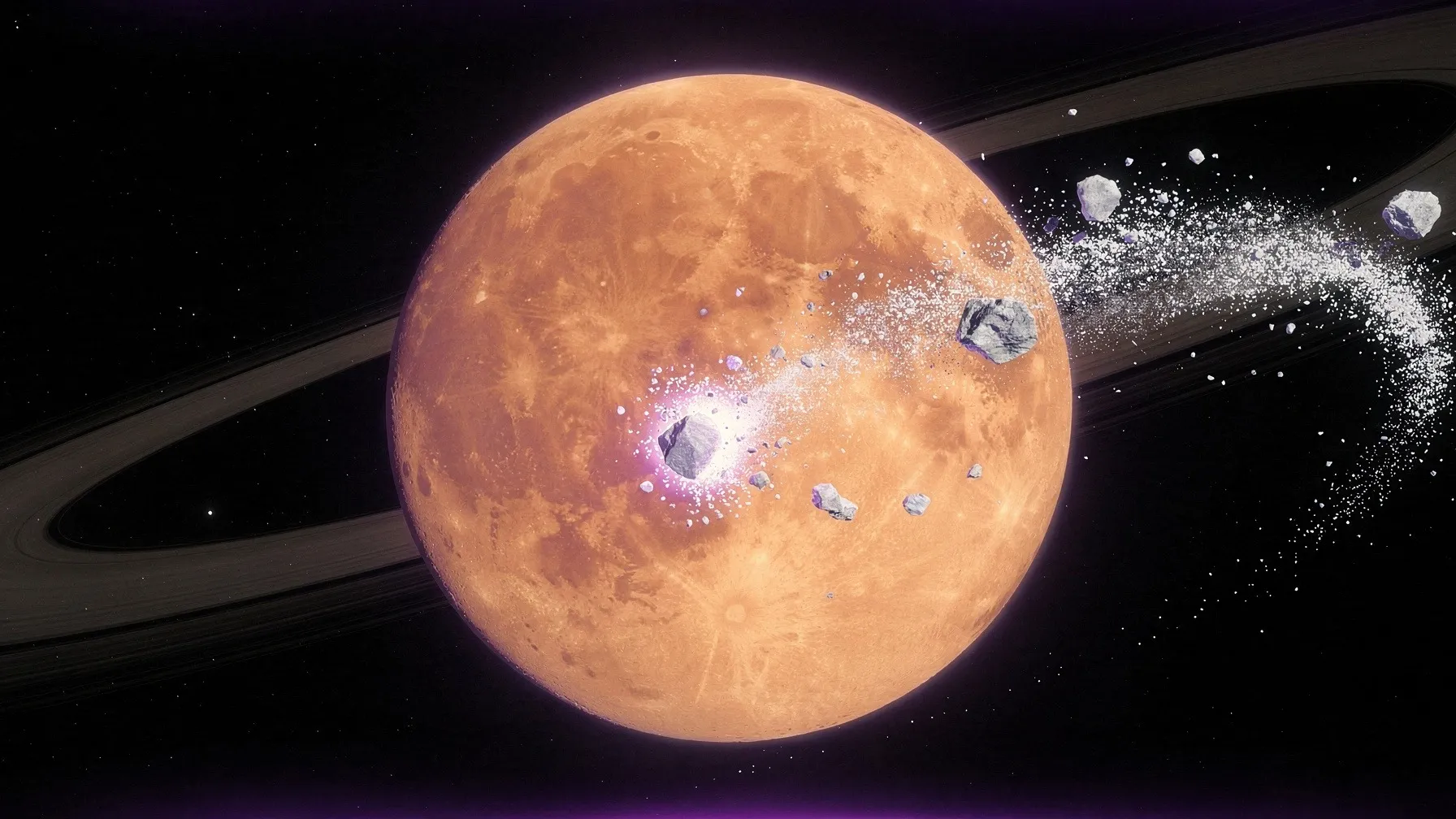
    Space art of a hazy orange moon struck by an icy body, a spray of ice fragments fanning out, Saturn's rings in the background.

    Iapetus, a moon of Saturn, is strangely rich in ice. And Titan's orbit is oddly stretched. Could one collision explain both?

    A researcher simulated impacts on Titan. A body one tenth of Titan's mass hits it at 10 km/s. The blow throws out ice from Titan's outer layer.

    About 3.5 Iapetus masses of debris stay in orbit around Saturn. It is 83 % ice, mostly torn from Titan. Titan's orbit becomes stretched too.

    A bold idea about how moons are born, put to the test. But the ice ends up on very elongated orbits. Turning it into Iapetus would need gas or debris to round them off. That part is not simulated yet.

    Source: A Collisional Origin for Ice-rich Iapetus and Titan's Anomalous Eccentricity, https://arxiv.org/abs/2609.28948

    PrepublicaciónSimulación2 min de lectura
  5. Física

    SEEING THROUGH LEAD WITH LASER-MADE MUONS

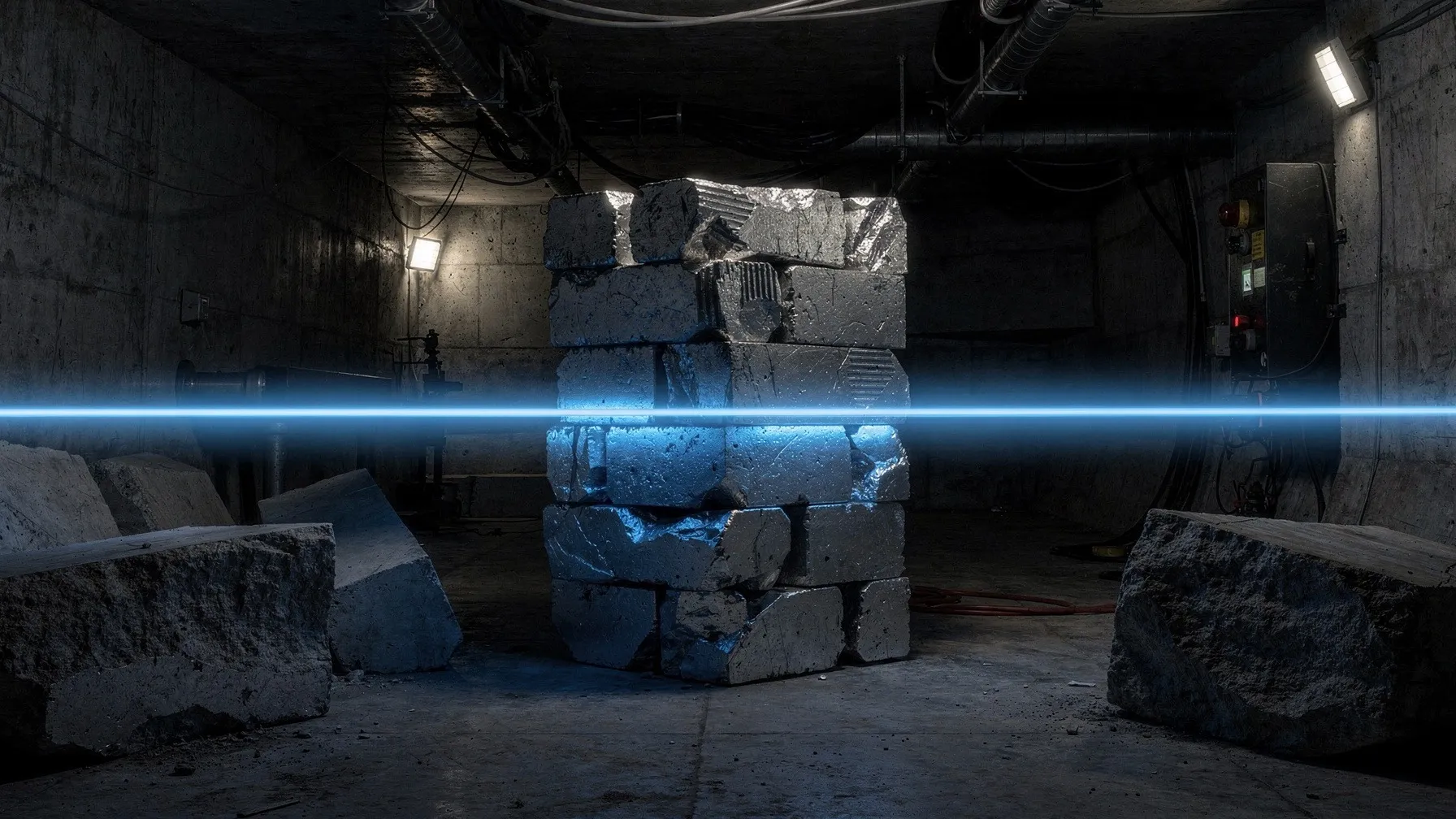
    A dark underground experimental hall where a thin blue beam of light crosses a block of stacked bricks.

    Muons are heavy cousins of the electron. They pass through rock and metal. They already revealed a hidden void inside Khufu's pyramid.

    The catch: we only had muons from the sky. About one per square centimetre per second, mostly from above. Images take a very long time.

    In Romania, a 10-petawatt laser fired 230 shots. It sped electrons up to 8 GeV, then slammed them into a block of lead. Out came muons, detected up to 42 metres away.

    The team imaged a lead block 25 cm thick with these artificial muons. A world first, say the authors. No more waiting for the weak, uncontrolled flux of sky muons.

    Source: Imaging with GeV muons produced via laser-wakefield-accelerated electrons, https://arxiv.org/abs/2609.28788

    PrepublicaciónExperimento3 min de lectura
  6. Medicina y salud

    WHEN THE FINGER CLIP IS FOOLED BY SKIN COLOUR

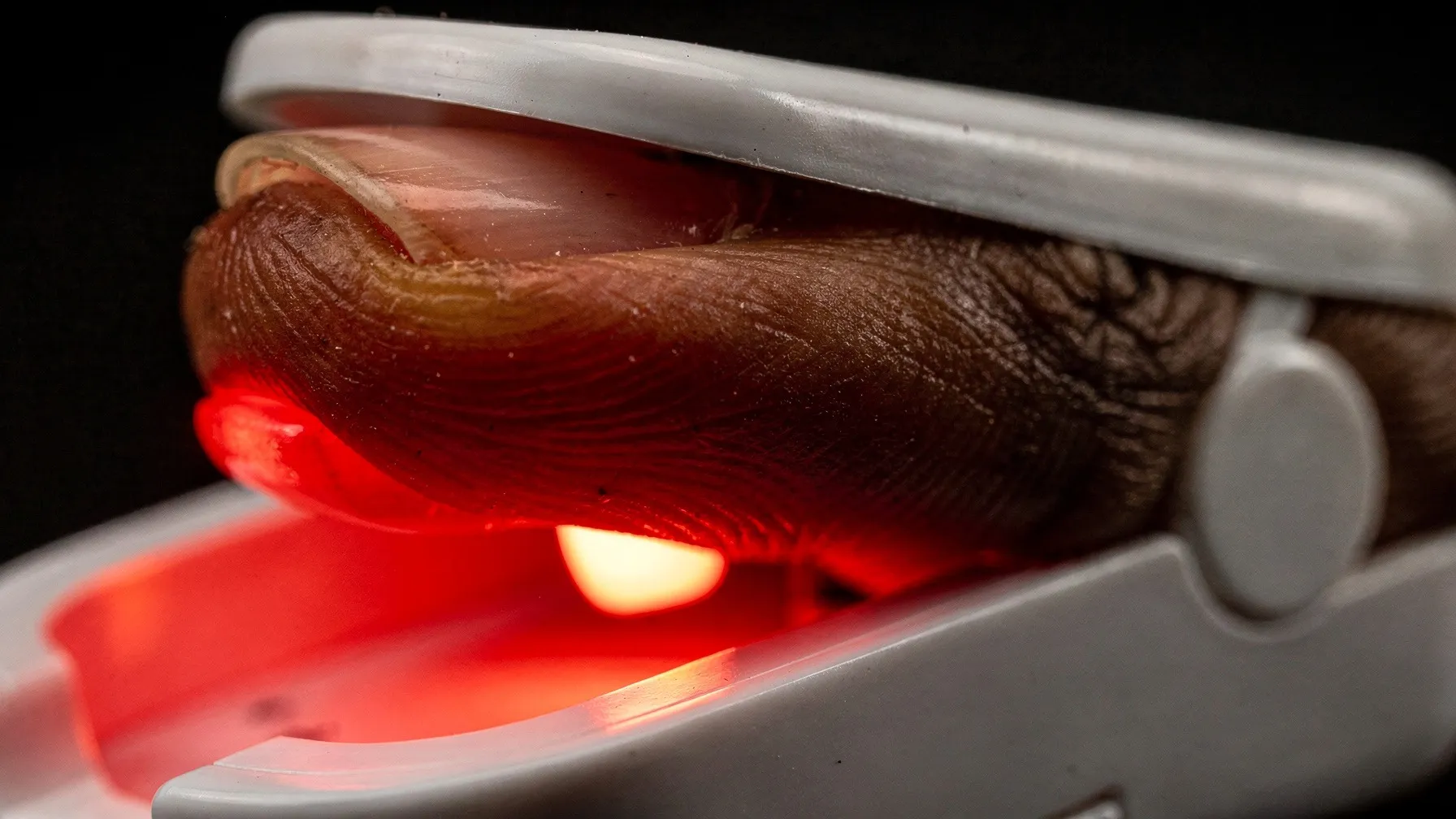
    Macro photograph of a fingertip with dark brown skin in a white pulse oximeter clip, red light glowing through the finger.

    The little clip on your finger measures oxygen in your blood. But it tends to overestimate it in people with dark skin. Low oxygen can then go unnoticed.

    One suspected cause: its LEDs emit a broad band of colours. Melanin absorbs some of them more than others. The colour the sensor sees shifts with skin tone.

    A Tufts University team tested a physics-based correction for melanin. They used public data from 98 volunteers and 2,991 blood samples.

    In their fits, the skin-tone bias fell from +2.8 to +0.1 points. But honesty first: none of these trends is statistically significant yet. About ten times more patients are needed.

    Source: Melanin- and linewidth-corrected pulse-oximetry, https://arxiv.org/abs/2609.30122

    PrepublicaciónAnálisis de datos3 min de lectura
  7. Tierra y clima

    EARTHQUAKES IN A LAB: THE WATER THAT FLIPS

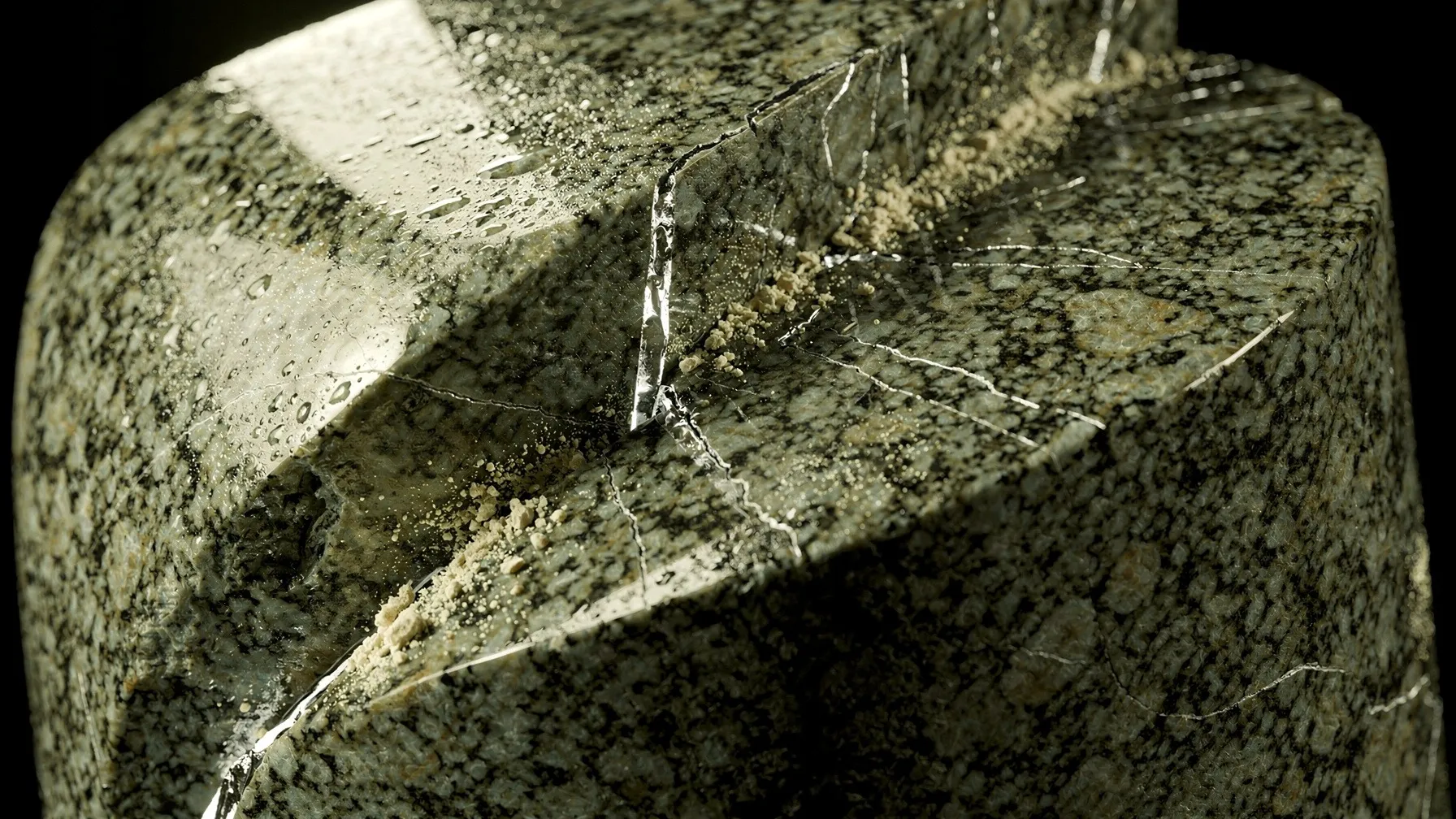
    Macro photograph of a granite cylinder cut diagonally, the two halves offset along a thin wet fault line.

    Water trapped in a fault can make an earthquake worse. Or it can slow it down. Which one wins?

    In Paris, a team triggered miniature earthquakes in water-soaked granite. At first, friction heated the water. Its pressure jumped by about 7 megapascals, weakening the fault.

    Then it flipped. The fault cracked and made room. Water pressure collapsed, by up to 15 megapascals. And between the two phases, slow earthquakes appeared. The flip showed up in all four experiments.

    A first, say the authors: both effects measured directly on one evolving fault. Water pressure even moved up to 50 seconds before rupture. In the lab, the water gave a warning signal.

    Source: Competition between thermal pressurization and dilatant strengthening in laboratory ruptures, https://arxiv.org/abs/2609.29617

    PrepublicaciónExperimento3 min de lectura
  8. Informática e IA

    19 SECONDS VERSUS A CENTURY OF SUPERCOMPUTING

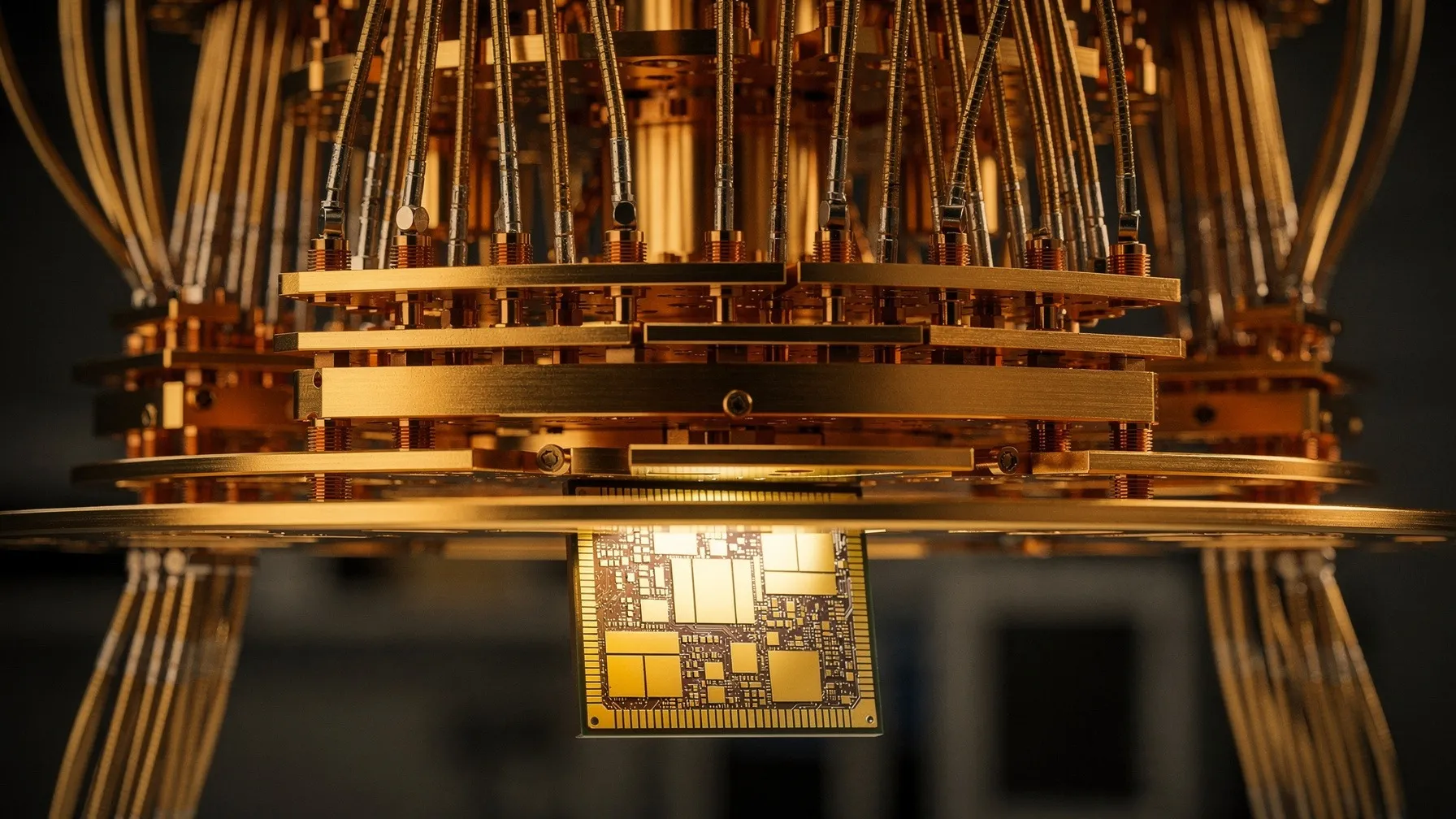
    Close-up of a square quantum processor chip at the bottom of a gold-plated cryogenic chandelier with cables and copper plates.

    "Quantum advantage" means a quantum computer beats every classical supercomputer at a task. Until now, it took special lab machines, tuned for the occasion.

    A startup, BlueQubit, used an IBM processor rented through the cloud. No special tuning. It ran random circuits on 61 qubits.

    One million samples took 19 seconds. The best known classical method would need about 110 years on Frontier, a top supercomputer. The whole experiment used about 11 minutes of machine time.

    Almost any user could now reproduce such a test. But careful: this task has no practical use. It is a stopwatch for raw power. And better classical algorithms have cut such claims before.

    Source: Quantum computational advantage in random-circuit sampling on IBM superconducting quantum computers, https://arxiv.org/abs/2609.28657

    PrepublicaciónExperimento3 min de lectura
  9. Matemáticas

    MEDIR EL SOL CON UNA BARRA DE CORTINA

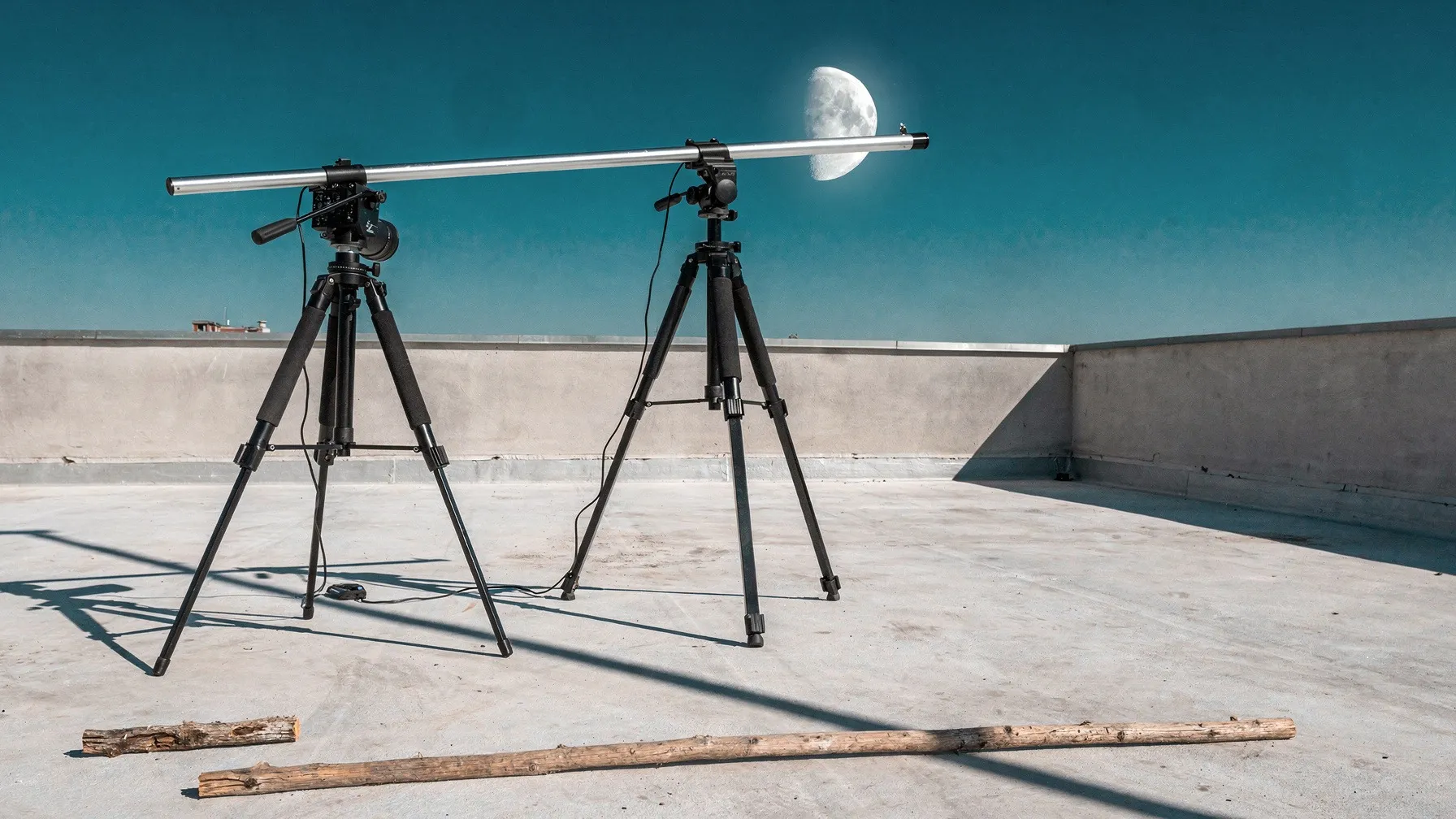
    Una barra metálica sobre trípodes de cámara en una azotea bajo un cielo cian, con una media Luna en el cielo.

    Hace más de 2000 años, el griego Aristarco se hizo una pregunta audaz. ¿Cuánto más lejos está el Sol que la Luna? Su truco: en media Luna, el Sol, la Luna y la Tierra forman un ángulo recto.

    Halló que el Sol estaba 19 veces más lejos que la Luna. La respuesta real es unas 400. Cerca de 90°, un error minúsculo en el ángulo lo cambia todo.

    Un equipo en Chile reconstruyó el experimento. Sus herramientas: una barra de cortina de 1,5 m, un trípode fotográfico y una cinta métrica. Se apunta la barra hacia la Luna. Se mide la sombra que el Sol proyecta de ella.

    Su resultado: unas 97, cinco veces mejor que Aristarco, con herramientas de ferretería. Cualquier clase puede intentarlo y aprender trigonometría en el cielo.

    Fuente: Revisiting Aristarchus's method to estimate the ratio of the distances from Earth to the Sun and the Moon, https://arxiv.org/abs/2609.28513

    PrepublicaciónExperimento4 min de lectura
  10. Medicina y salud

    HOW SCARLET FEVER LOST ITS GRIP ON LONDON

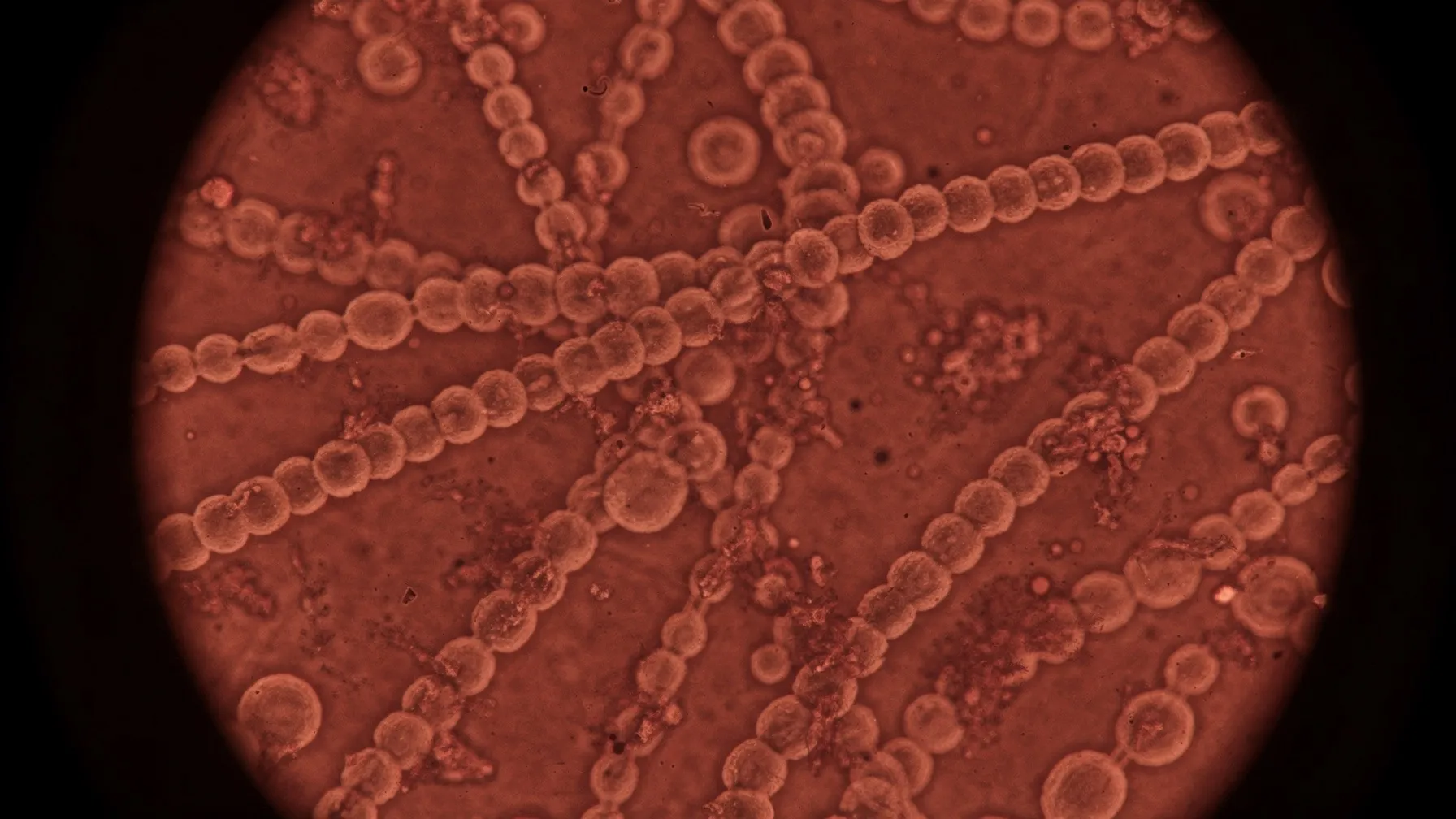
    Light microscope view of chains of small round bacteria strung together like beads, backlit in red.

    In the 19th century, scarlet fever killed about 10,000 people a year in England and Wales. Mostly young children, sometimes within a few days.

    Then, in London, deaths fell from about 2,300 to about 80 a year. Before antibiotics even existed. How?

    Two mathematicians in Canada studied a century of weekly records, from 1842 to 1939. The epidemics came back every autumn. On top, a longer cycle stretched from about 4 to about 8 years.

    A simple epidemic model explains almost all these changes. The disease became less transmissible, while birth rates shifted. The bacterium itself may have evolved. And old archives can still reveal how epidemics work.

    Source: Scarlet Fever Dynamics in 19th and 20th Century London, https://arxiv.org/abs/2609.28545

    PrepublicaciónAnálisis de datos3 min de lectura
Legal notice