27 Eylül 2026 sayısı

  1. Uzay ve astronomi

    A GALAXY WITH NO STARS?

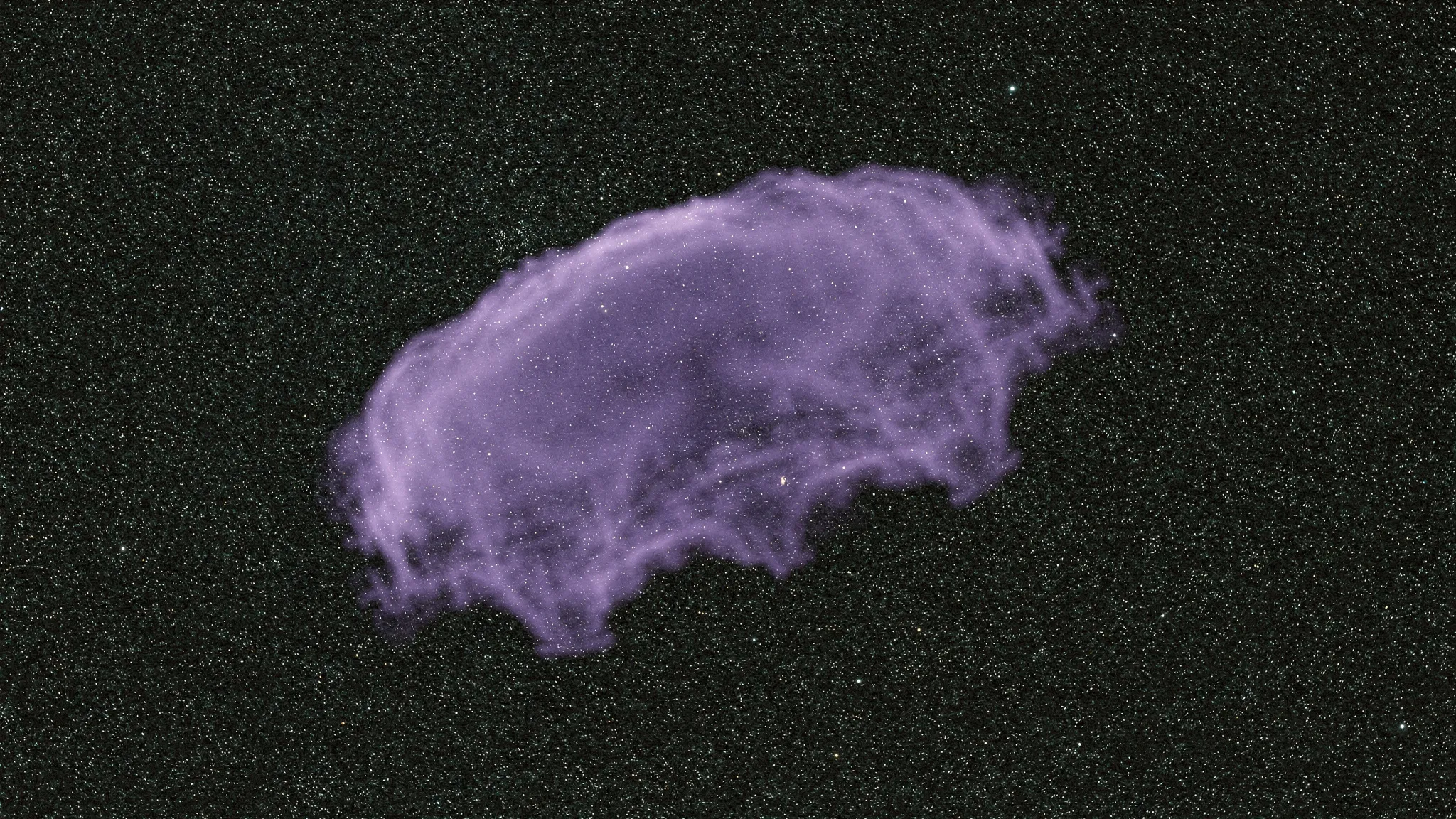
    A diffuse, irregular violet cloud of gas against a dense field of stars that shine through it.

    Astronomers in China have found a lonely cloud of hydrogen. It floats about 12 million light-years away, with no galaxy nearby.

    Deep images from the DESI survey show no stars inside. Yet the cloud does not fly apart. Something invisible holds it together.

    That something is dark matter. The cloud weighs about 200 times more than its gas. It could be a "dark galaxy": gas that never managed to form stars.

    Our model of the universe predicts such starless galaxies. Earlier candidates sat next to big galaxies that could have torn them apart. This one is alone, the cleanest candidate yet. Only Hubble or JWST can rule out very faint stars.

    Source: Discovery of an isolated RELHIC Candidate: J1351+0039, https://arxiv.org/abs/2609.29852
    Ön baskıGözlem3 dk okuma
  2. Kimya

    KATI BUZUN İÇİNDE SÜRÜNEN JEL TANECİKLERİ

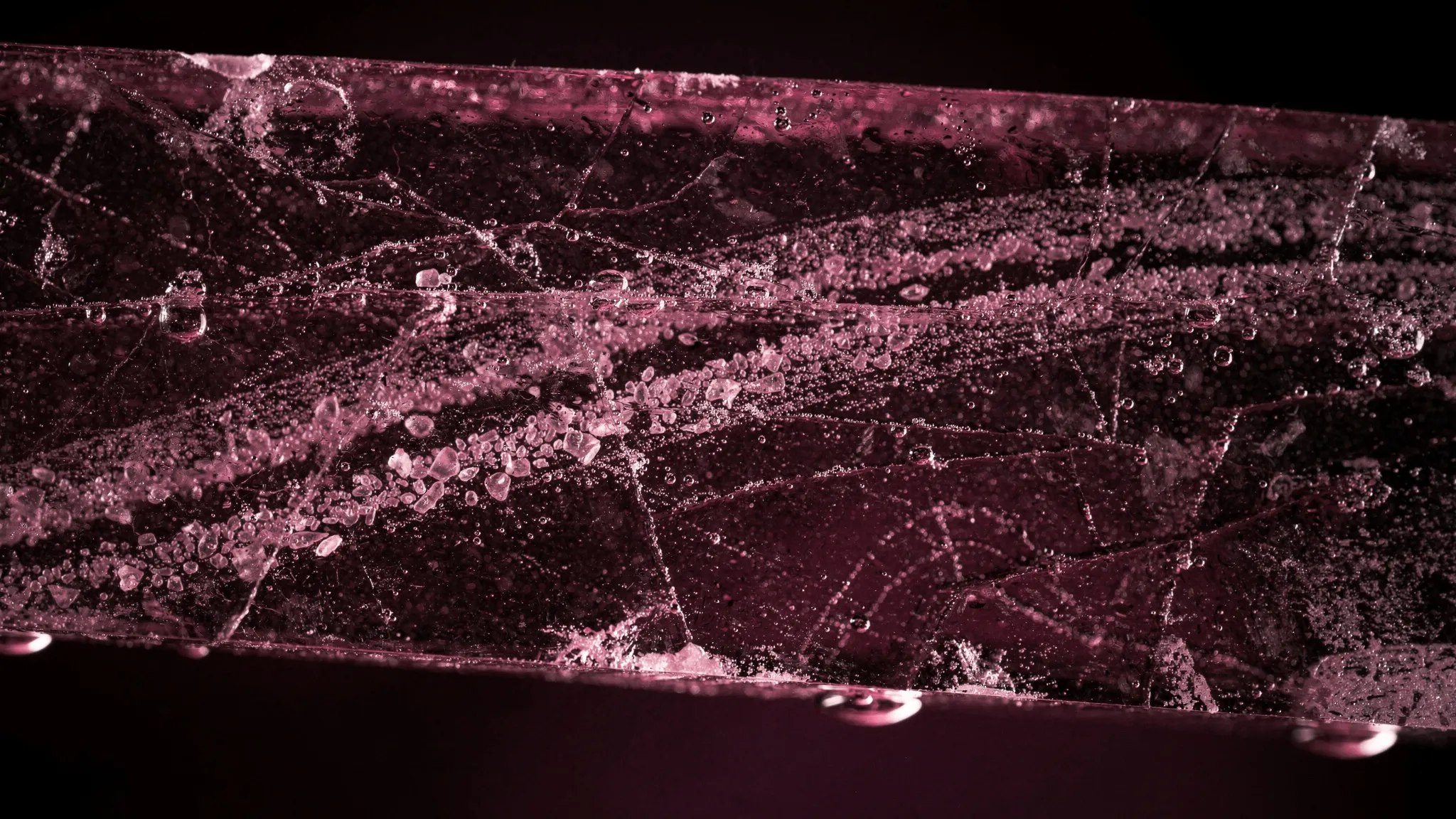
    Arkadan macenta ışıkla aydınlatılmış bir buz levhasının makro fotoğrafı; içinde küçük jel tanecikleri ve ince çatlaklar.

    Küçücük jel taneciklerini buzun içinde dondurun. Bir tarafı hafifçe ısıtın. Ne olur? Tanecikler katı buzun içinde, sıcak tarafa doğru hareket etmeye başlar.

    İşin sırrı: buz, jelin içindeki suyu emer. Su sıcak tarafta erir, taneciğin içinden akar ve arkasında yeniden donar. Bu yeni buz taneciği ileri iter.

    ETH Zürih'teki bir ekip bunu bir ölçüm aracına dönüştürdü. Her taneciğin hızı ve şişmesi, suyun jelin içinde nasıl hareket ettiğini ortaya koyuyor.

    Jeller her yerde: süper emiciler, ilaç salımı, yumuşak robotlar, kıkırdak. Temel özelliklerini ölçmek ise bilinen bir baş ağrısı. Bu yöntem pikolitrelik örneklerden binlerce veri noktası sağlıyor. Ve ders kitabı formüllerinin gerçek jeller için yanlış olduğunu gösteriyor.

    Kaynak: Extracting hydrogel properties by watching hydrogel particles moving through solid ice, https://arxiv.org/abs/2609.29904

    Ön baskıDeney2 dk okuma
  3. Fizik

    100 MILLION PHOTONS A SECOND FROM ONE MOLECULE

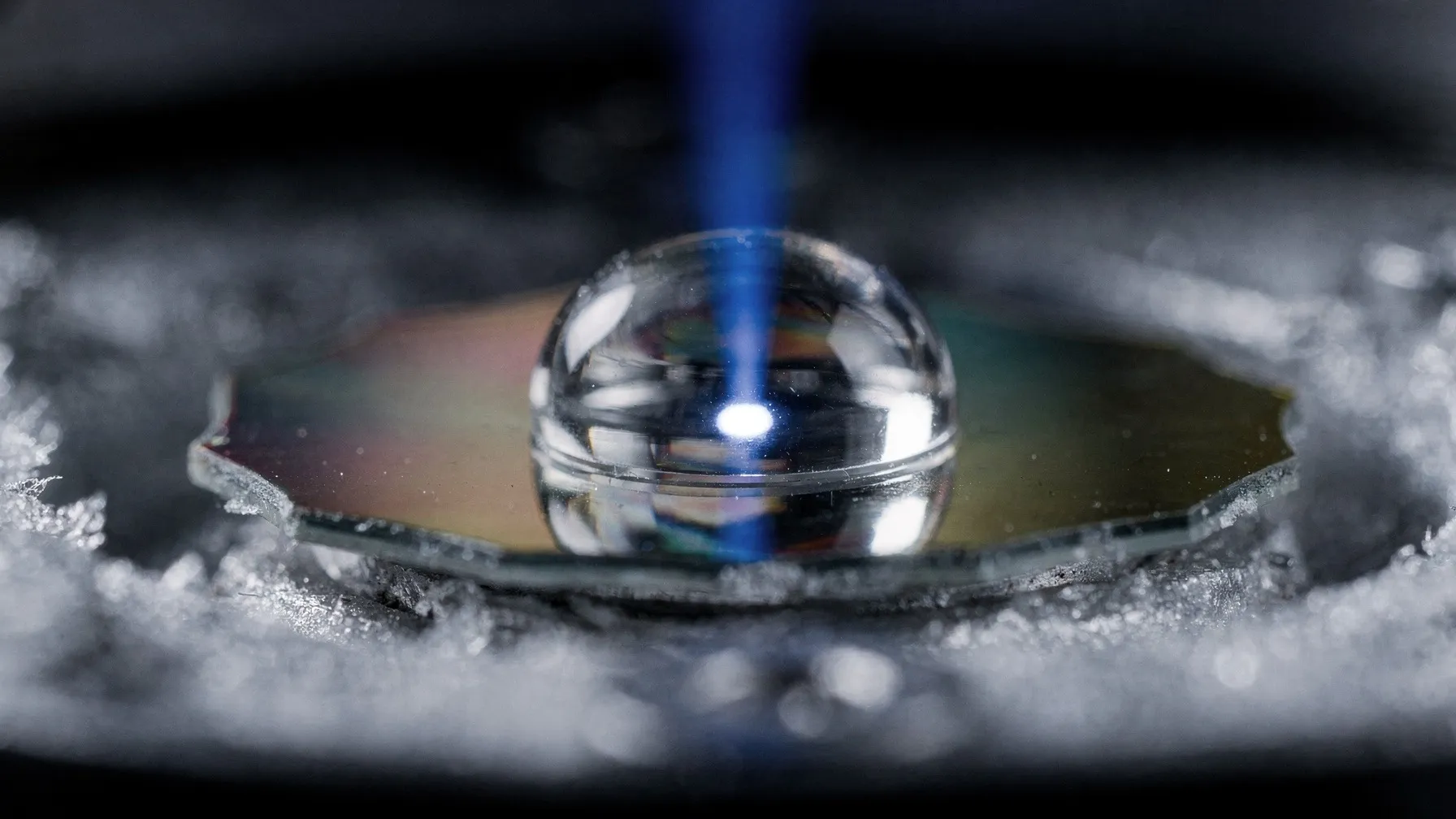
    Macro photograph of a small glass hemisphere on a mirrored chip, a point of light at its base and a blue beam rising from it.

    Quantum technologies need light sources that emit photons one by one. Most of that light is lost inside the material. Can we catch it all?

    A Max Planck team in Erlangen trapped one organic molecule in a thin crystal layer. The layer is 140 nanometres thick. It sits under a tiny glass dome, above a silver mirror.

    The result: 97 % of the light reaches the first lens. That is about 100 million photons per second from one molecule. It is a record for any cold single-photon source.

    Quantum communication and optical quantum computers need bright, pure, identical photons. Here, 97.7 % come out alone and 91 % are identical. And molecules are cheap, tiny, and their colour is chosen by chemistry.

    Source: 100 million photons per second from a single organic molecule, https://arxiv.org/abs/2609.29736

    Ön baskıDeney3 dk okuma
  4. Uzay ve astronomi

    WAS A SATURN MOON MADE FROM TITAN'S ICE?

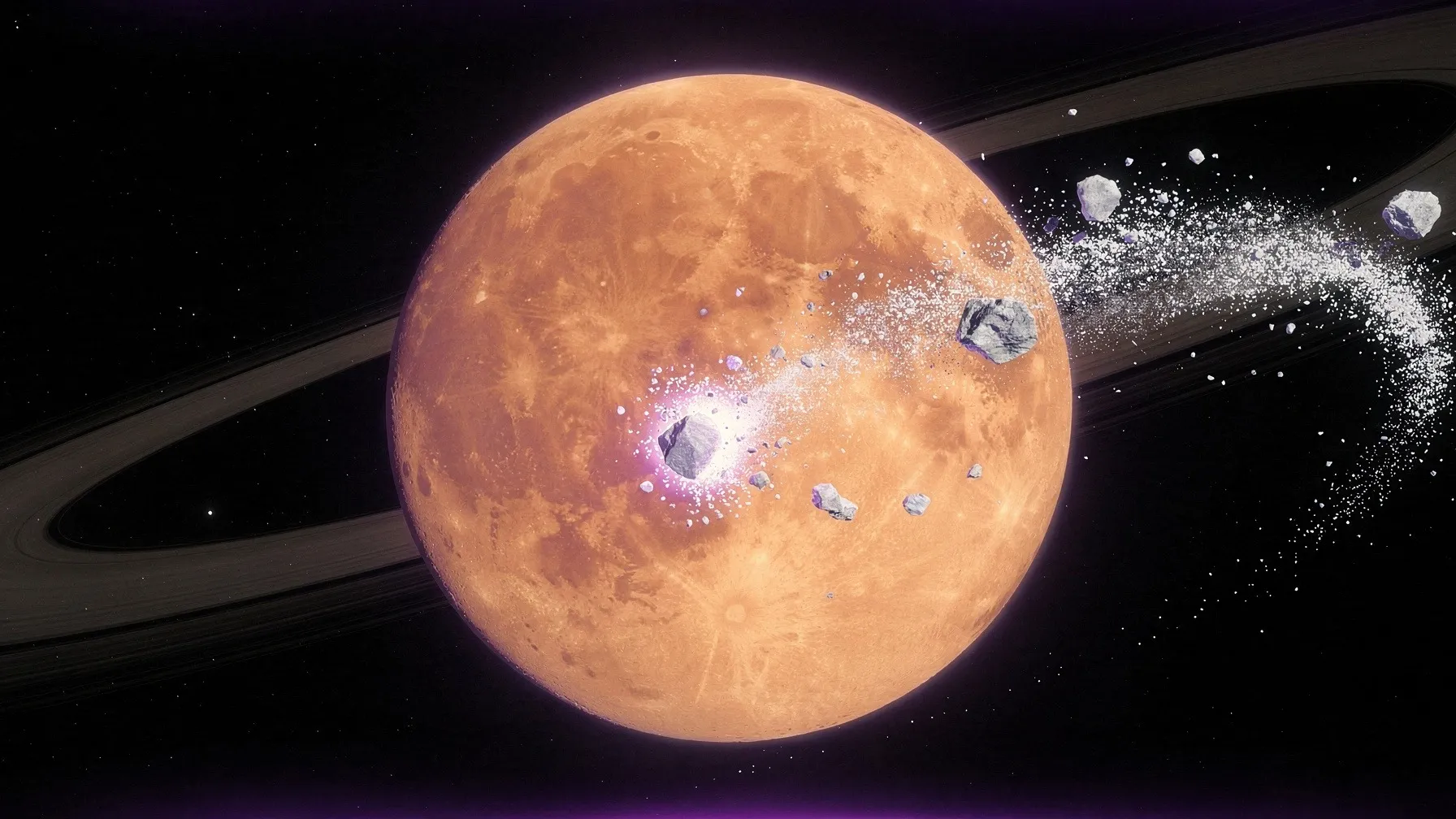
    Space art of a hazy orange moon struck by an icy body, a spray of ice fragments fanning out, Saturn's rings in the background.

    Iapetus, a moon of Saturn, is strangely rich in ice. And Titan's orbit is oddly stretched. Could one collision explain both?

    A researcher simulated impacts on Titan. A body one tenth of Titan's mass hits it at 10 km/s. The blow throws out ice from Titan's outer layer.

    About 3.5 Iapetus masses of debris stay in orbit around Saturn. It is 83 % ice, mostly torn from Titan. Titan's orbit becomes stretched too.

    A bold idea about how moons are born, put to the test. But the ice ends up on very elongated orbits. Turning it into Iapetus would need gas or debris to round them off. That part is not simulated yet.

    Source: A Collisional Origin for Ice-rich Iapetus and Titan's Anomalous Eccentricity, https://arxiv.org/abs/2609.28948

    Ön baskıSimülasyon2 dk okuma
  5. Fizik

    SEEING THROUGH LEAD WITH LASER-MADE MUONS

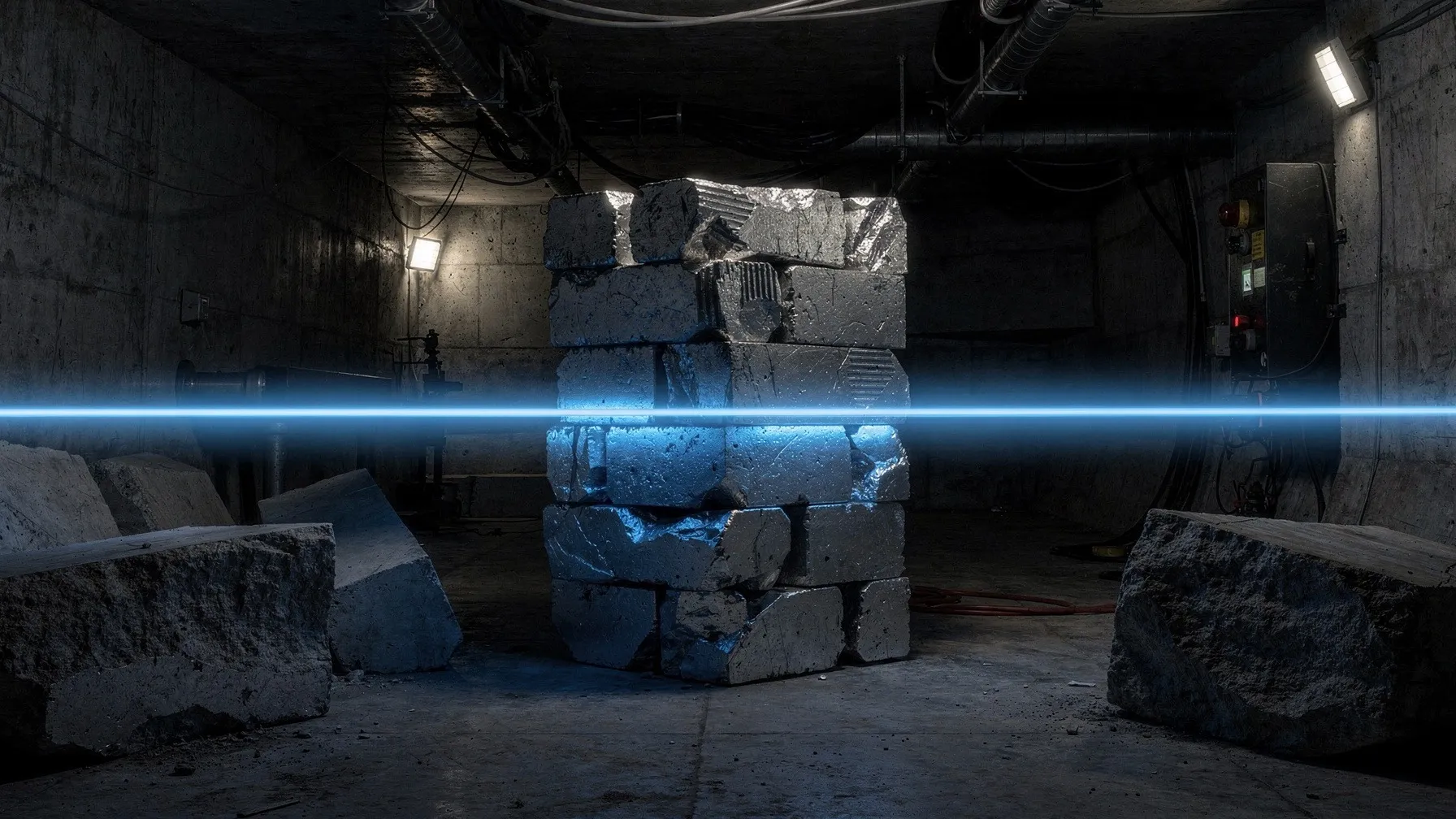
    A dark underground experimental hall where a thin blue beam of light crosses a block of stacked bricks.

    Muons are heavy cousins of the electron. They pass through rock and metal. They already revealed a hidden void inside Khufu's pyramid.

    The catch: we only had muons from the sky. About one per square centimetre per second, mostly from above. Images take a very long time.

    In Romania, a 10-petawatt laser fired 230 shots. It sped electrons up to 8 GeV, then slammed them into a block of lead. Out came muons, detected up to 42 metres away.

    The team imaged a lead block 25 cm thick with these artificial muons. A world first, say the authors. No more waiting for the weak, uncontrolled flux of sky muons.

    Source: Imaging with GeV muons produced via laser-wakefield-accelerated electrons, https://arxiv.org/abs/2609.28788

    Ön baskıDeney3 dk okuma
  6. Tıp ve sağlık

    WHEN THE FINGER CLIP IS FOOLED BY SKIN COLOUR

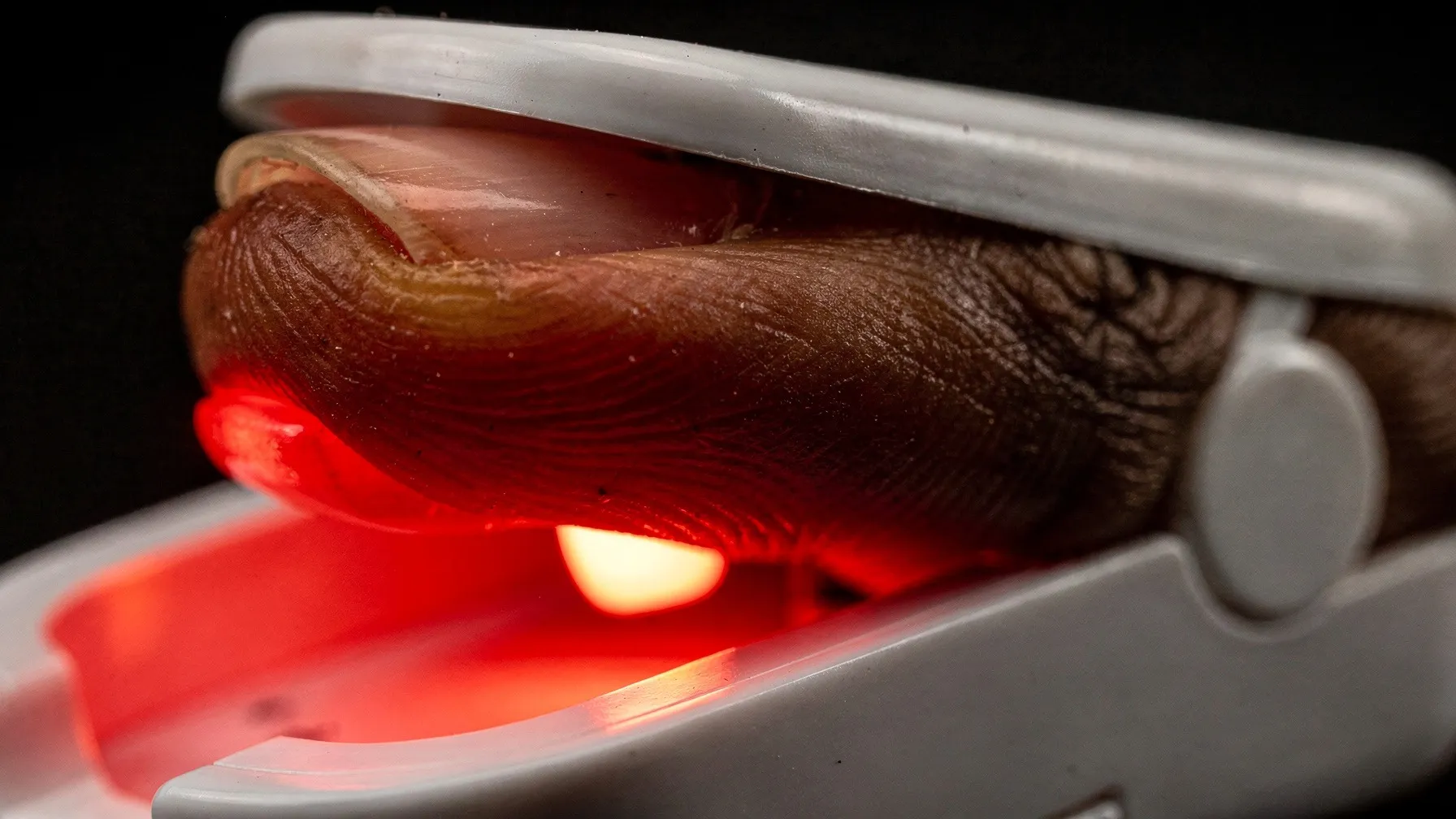
    Macro photograph of a fingertip with dark brown skin in a white pulse oximeter clip, red light glowing through the finger.

    The little clip on your finger measures oxygen in your blood. But it tends to overestimate it in people with dark skin. Low oxygen can then go unnoticed.

    One suspected cause: its LEDs emit a broad band of colours. Melanin absorbs some of them more than others. The colour the sensor sees shifts with skin tone.

    A Tufts University team tested a physics-based correction for melanin. They used public data from 98 volunteers and 2,991 blood samples.

    In their fits, the skin-tone bias fell from +2.8 to +0.1 points. But honesty first: none of these trends is statistically significant yet. About ten times more patients are needed.

    Source: Melanin- and linewidth-corrected pulse-oximetry, https://arxiv.org/abs/2609.30122

    Ön baskıVeri analizi3 dk okuma
  7. Yer ve iklim

    EARTHQUAKES IN A LAB: THE WATER THAT FLIPS

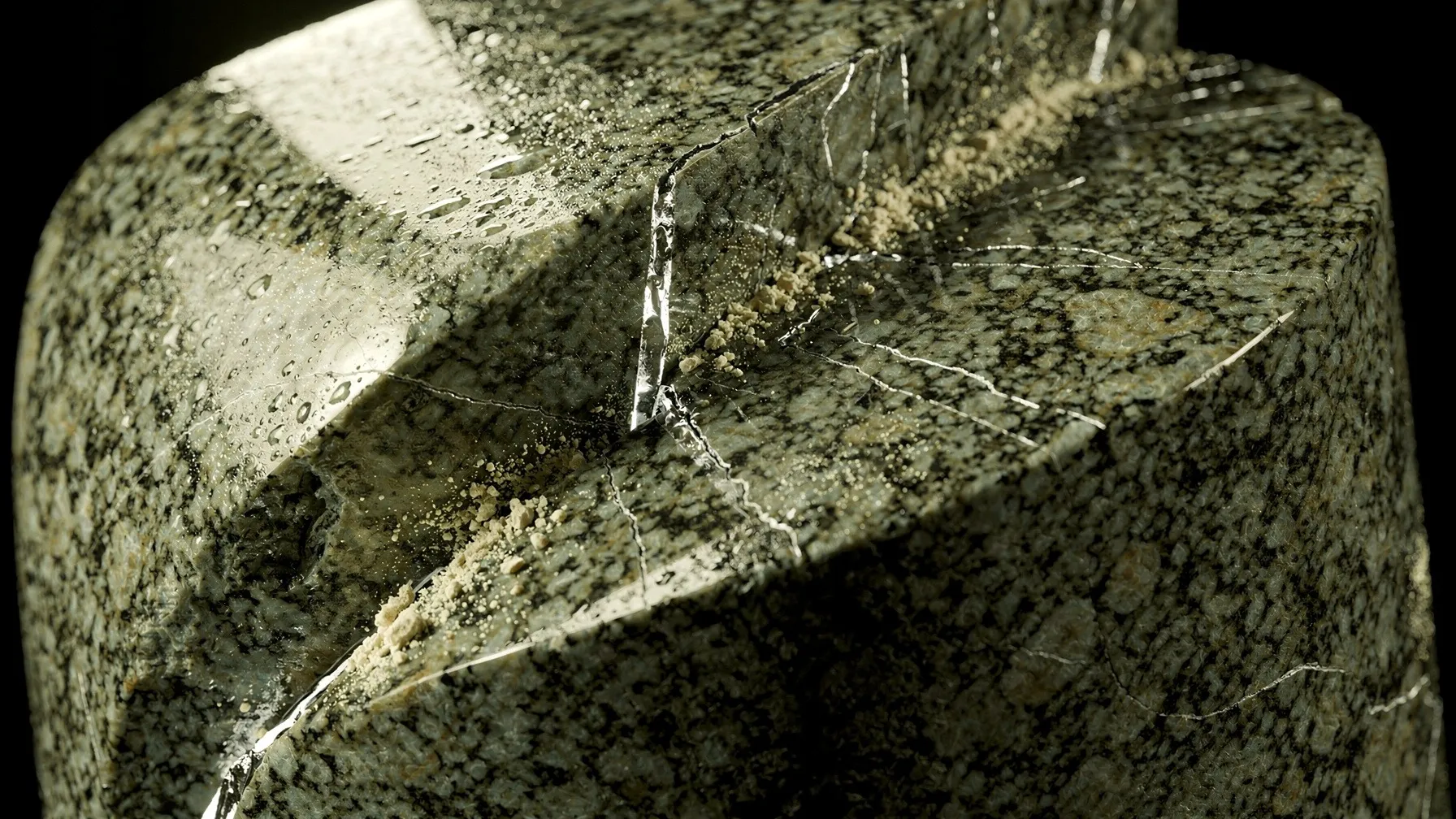
    Macro photograph of a granite cylinder cut diagonally, the two halves offset along a thin wet fault line.

    Water trapped in a fault can make an earthquake worse. Or it can slow it down. Which one wins?

    In Paris, a team triggered miniature earthquakes in water-soaked granite. At first, friction heated the water. Its pressure jumped by about 7 megapascals, weakening the fault.

    Then it flipped. The fault cracked and made room. Water pressure collapsed, by up to 15 megapascals. And between the two phases, slow earthquakes appeared. The flip showed up in all four experiments.

    A first, say the authors: both effects measured directly on one evolving fault. Water pressure even moved up to 50 seconds before rupture. In the lab, the water gave a warning signal.

    Source: Competition between thermal pressurization and dilatant strengthening in laboratory ruptures, https://arxiv.org/abs/2609.29617

    Ön baskıDeney3 dk okuma
  8. Bilişim ve yapay zekâ

    19 SECONDS VERSUS A CENTURY OF SUPERCOMPUTING

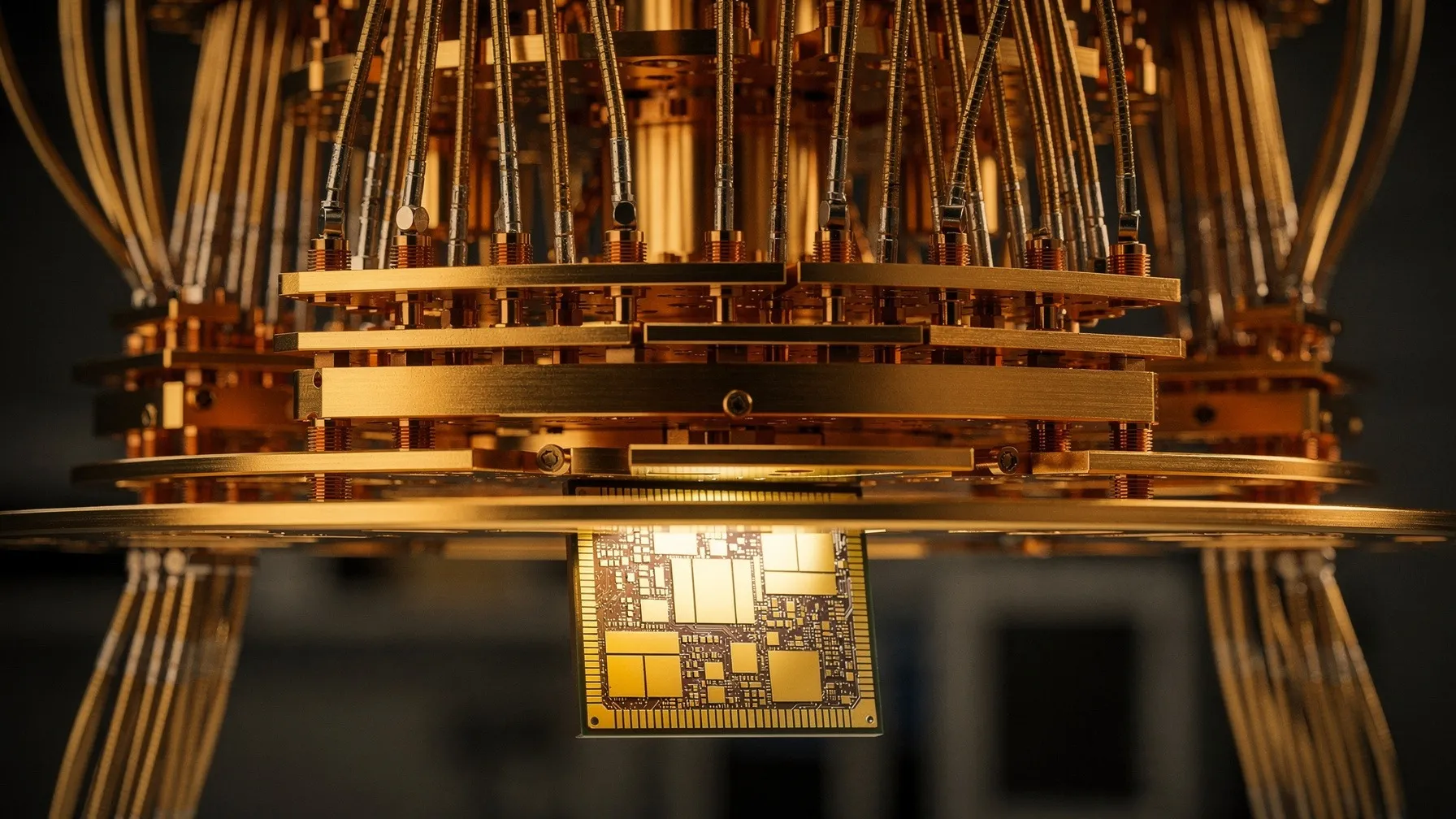
    Close-up of a square quantum processor chip at the bottom of a gold-plated cryogenic chandelier with cables and copper plates.

    "Quantum advantage" means a quantum computer beats every classical supercomputer at a task. Until now, it took special lab machines, tuned for the occasion.

    A startup, BlueQubit, used an IBM processor rented through the cloud. No special tuning. It ran random circuits on 61 qubits.

    One million samples took 19 seconds. The best known classical method would need about 110 years on Frontier, a top supercomputer. The whole experiment used about 11 minutes of machine time.

    Almost any user could now reproduce such a test. But careful: this task has no practical use. It is a stopwatch for raw power. And better classical algorithms have cut such claims before.

    Source: Quantum computational advantage in random-circuit sampling on IBM superconducting quantum computers, https://arxiv.org/abs/2609.28657

    Ön baskıDeney3 dk okuma
  9. Matematik

    GÜNEŞ'İ BİR PERDE ÇUBUĞUYLA ÖLÇMEK

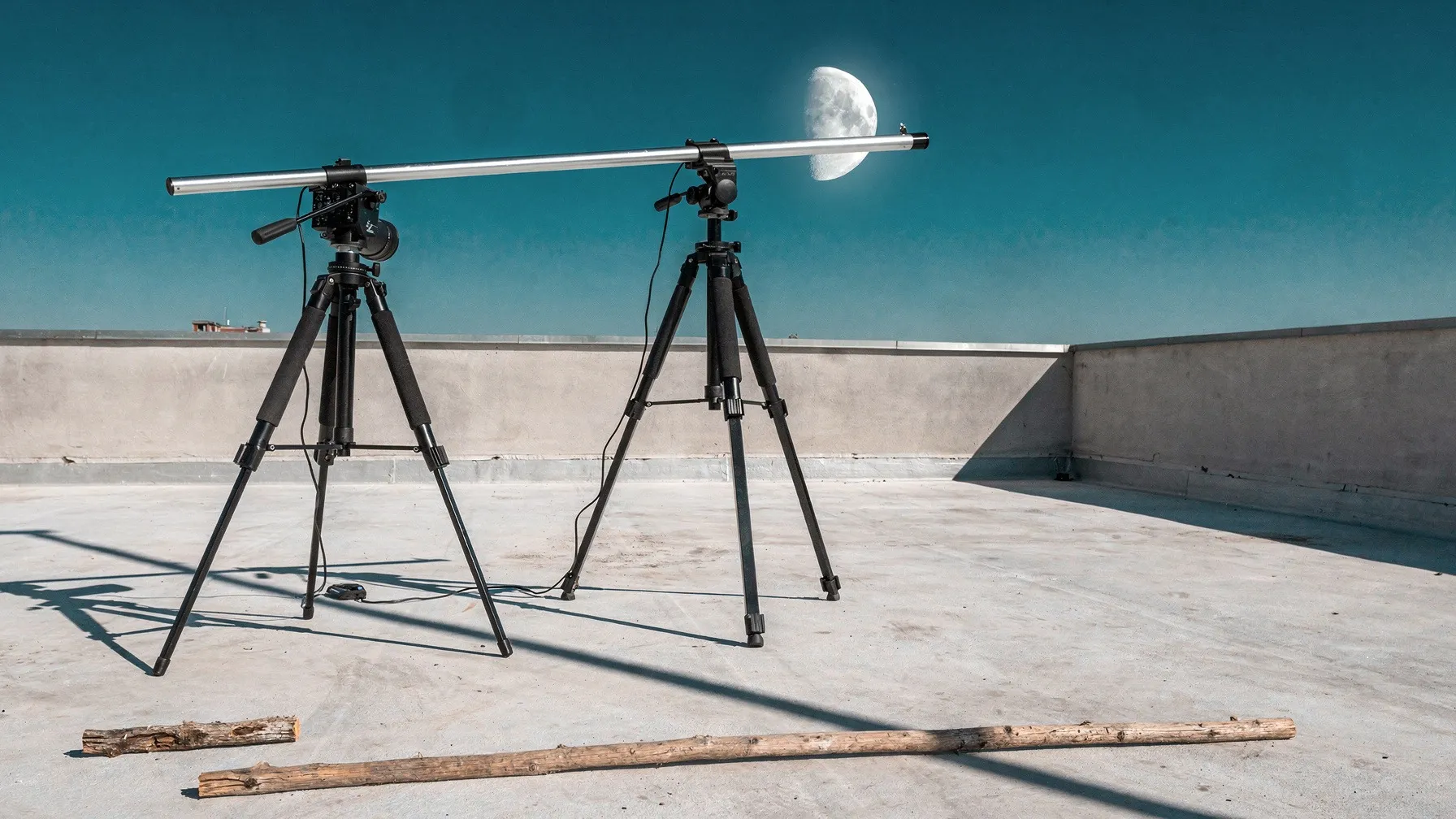
    Camgöbeği bir gökyüzü altında, çatı terasında kamera tripodlarına yerleştirilmiş metal bir çubuk; gökyüzünde yarım Ay.

    2.000 yıldan uzun süre önce Yunan Aristarkhos cesur bir soru sordu. Güneş, Ay'dan ne kadar daha uzakta? Hilesi şuydu: yarım Ay'da Güneş, Ay ve Dünya bir dik açı oluşturur.

    Güneş'i Ay'dan 19 kat daha uzak buldu. Gerçek cevap yaklaşık 400. 90°'ye yakın açılarda, açıdaki küçücük bir hata her şeyi değiştirir.

    Şili'deki bir ekip deneyi yeniden kurdu. Araçları: 1,5 m'lik bir perde çubuğu, bir fotoğraf tripodu, bir şerit metre. Çubuğu Ay'a doğrult. Güneş'in düşürdüğü gölgesini ölç.

    Sonuçları: yaklaşık 97; Aristarkhos'tan beş kat daha iyi, hem de hırdavatçı aletleriyle. Her sınıf bunu deneyebilir ve gökyüzünde trigonometri öğrenebilir.

    Kaynak: Revisiting Aristarchus's method to estimate the ratio of the distances from Earth to the Sun and the Moon, https://arxiv.org/abs/2609.28513

    Ön baskıDeney3 dk okuma
  10. Tıp ve sağlık

    HOW SCARLET FEVER LOST ITS GRIP ON LONDON

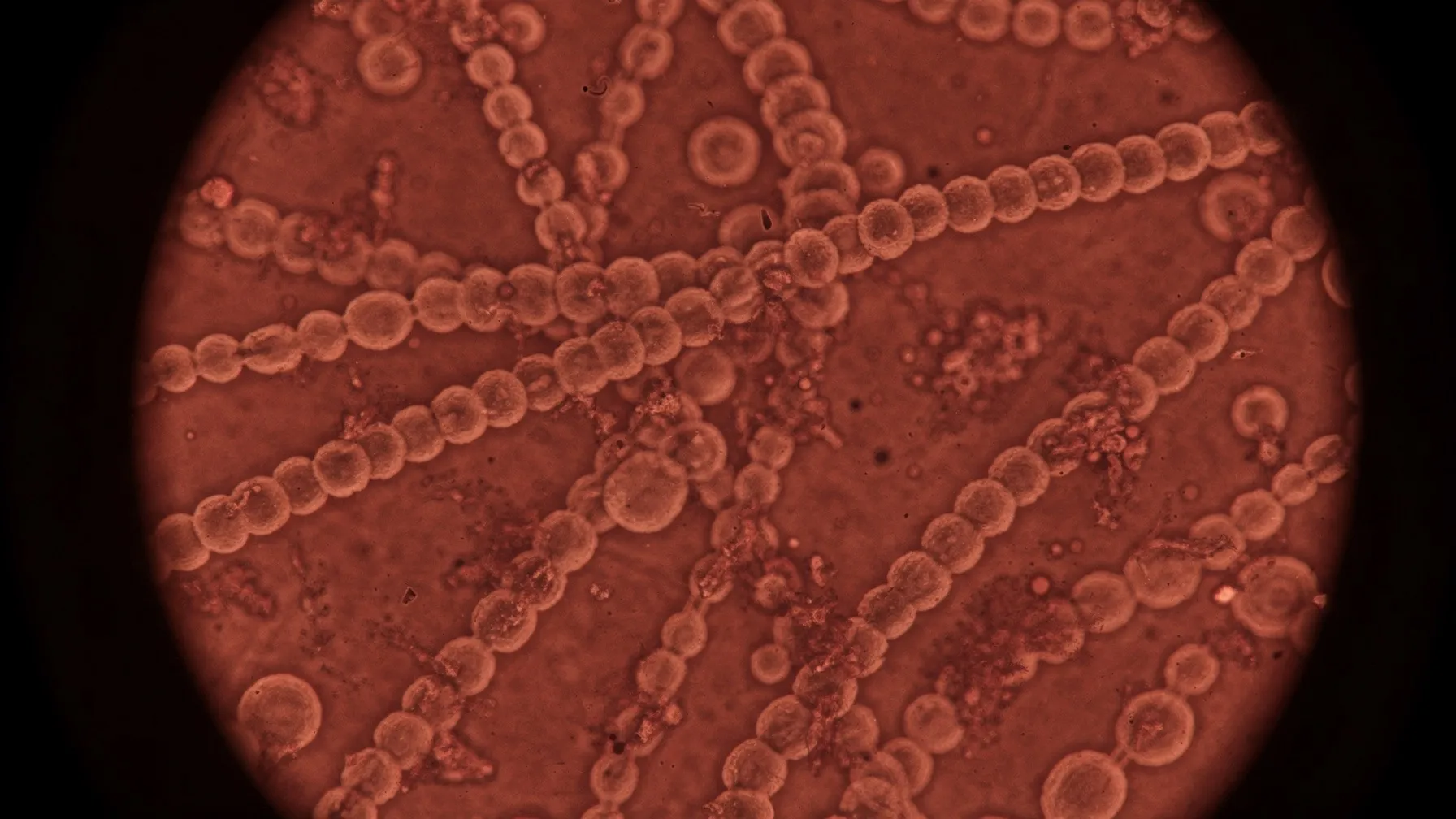
    Light microscope view of chains of small round bacteria strung together like beads, backlit in red.

    In the 19th century, scarlet fever killed about 10,000 people a year in England and Wales. Mostly young children, sometimes within a few days.

    Then, in London, deaths fell from about 2,300 to about 80 a year. Before antibiotics even existed. How?

    Two mathematicians in Canada studied a century of weekly records, from 1842 to 1939. The epidemics came back every autumn. On top, a longer cycle stretched from about 4 to about 8 years.

    A simple epidemic model explains almost all these changes. The disease became less transmissible, while birth rates shifted. The bacterium itself may have evolved. And old archives can still reveal how epidemics work.

    Source: Scarlet Fever Dynamics in 19th and 20th Century London, https://arxiv.org/abs/2609.28545

    Ön baskıVeri analizi3 dk okuma
Legal notice