29 ستمبر، 2026 کا شمارہ

  1. خلا اور فلکیات

    A STAR TORN APART AT COSMIC DAWN

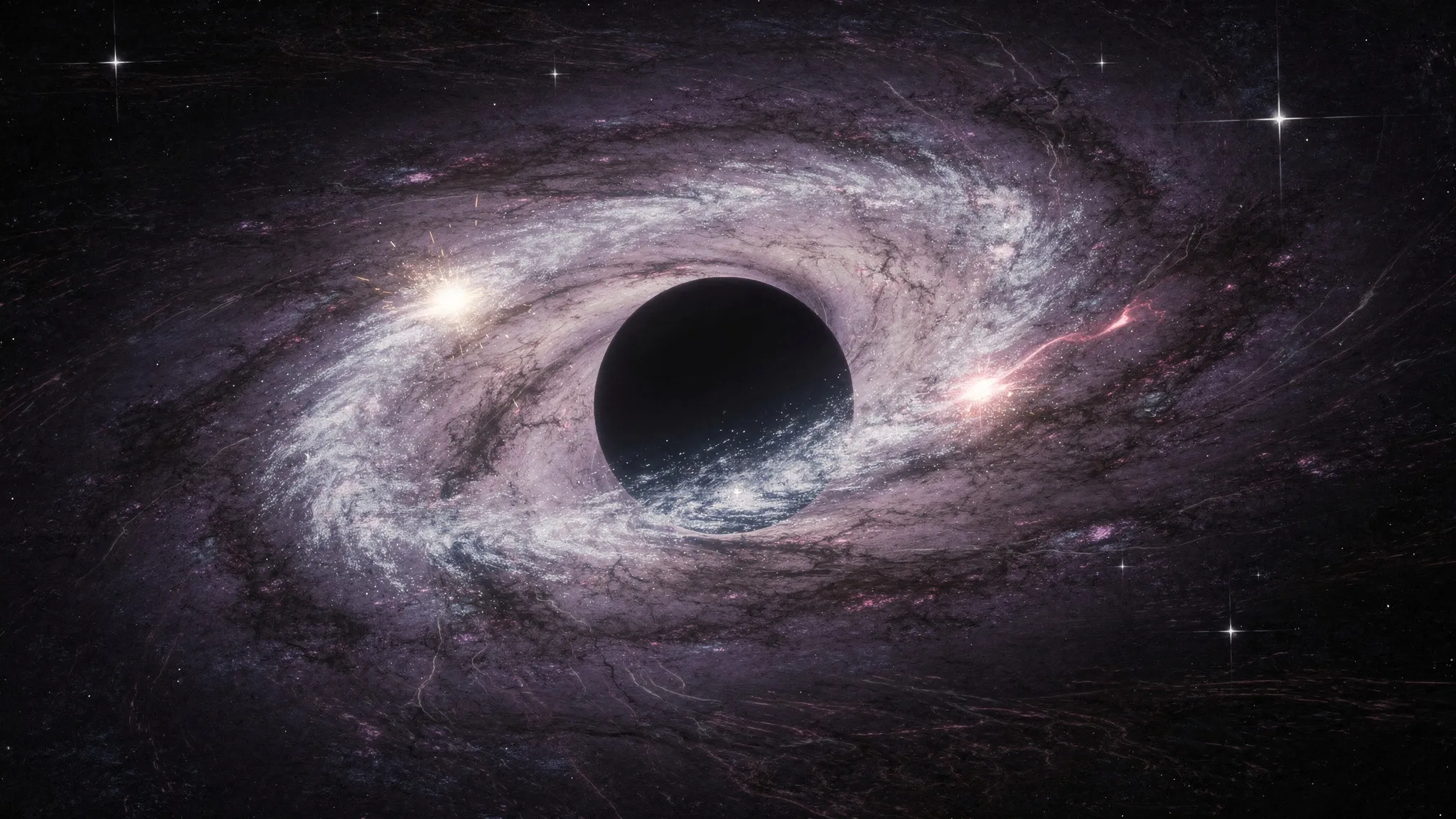
    A dark black hole at the centre of a swirling bright disc of gas and stars, a flare streaming out to one side, in violet tones against a starry sky.

    Astronomers compared new James Webb images with old Hubble ones. One quasar, GNz7q, had faded by about one magnitude. It sits at redshift 7.19, 700 million years after the Big Bang.

    Twenty years of archives show a fast rise, then a smooth fade over about two years in its own time. Only about 0.1% of quasars vary this much.

    The best explanation: a star of a few solar masses ripped apart by the black hole. The flare released about 1.5 × 10⁵³ erg. It ranks among the most energetic such events known.

    Webb also caught the echo. Dust about half a parsec away, heated to about 1,500 K, glows after the flash. Until now, confirmed star-shredding events stopped near redshift 1.2.

    Source: A tidal disruption event in a quasar at redshift 7.19, https://arxiv.org/abs/2609.30441
    پری پرنٹمشاہدہ3 منٹ کا مطالعہ
  2. خلا اور فلکیات

    ONE SUPERNOVA, SEEN SEVERAL TIMES

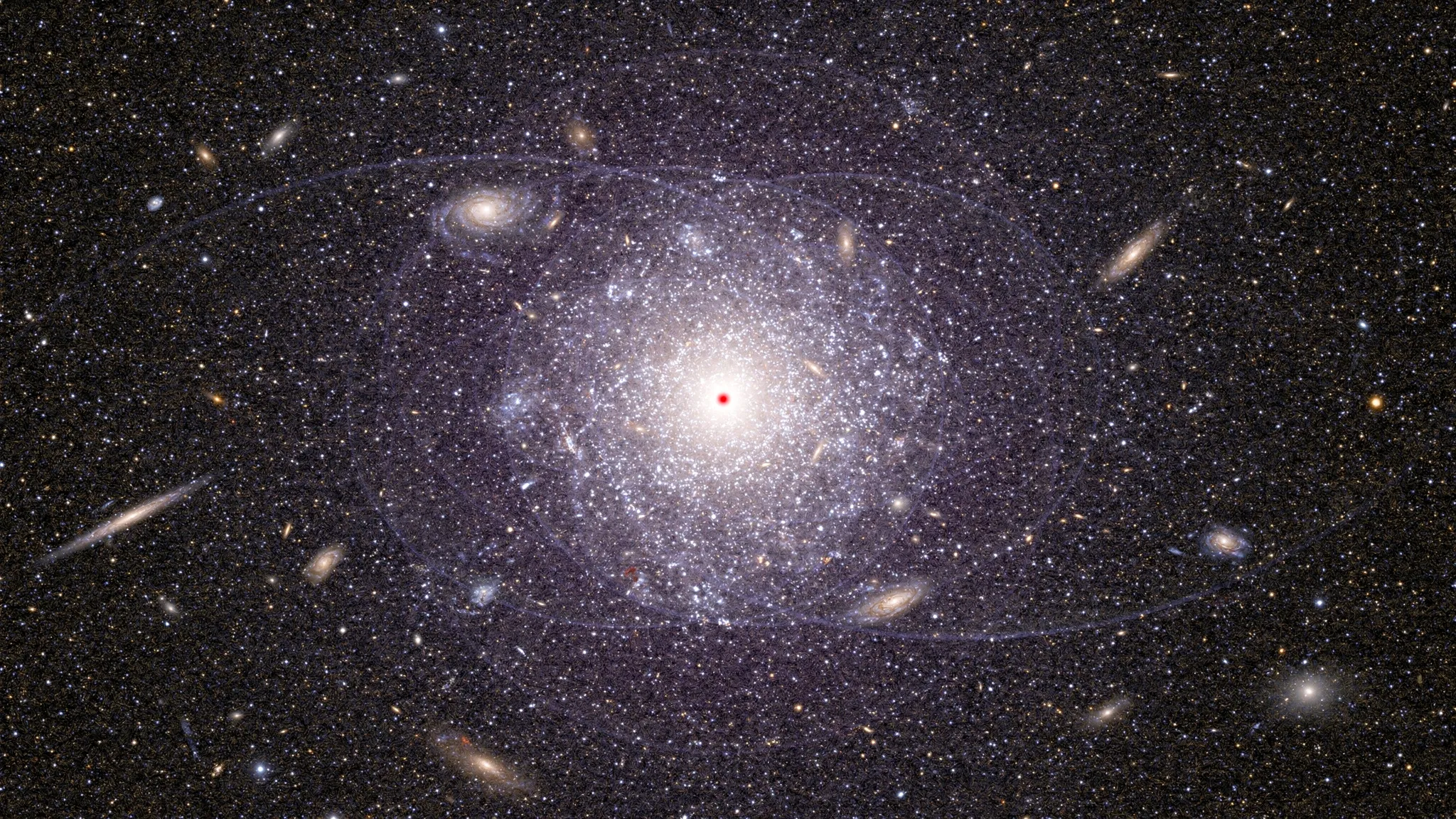
    A dense swarm of stars and galaxies around a bright cluster core, a small red point of light at its centre and faint arcs curving around it, in violet tones.

    On 3 July 2026, the James Webb telescope imaged a massive galaxy cluster. A small red dot appeared that was not there in 2024. Its colours said: a galaxy at redshift 16.

    A spectrum taken on 17 August told another story. Broad hydrogen lines revealed an exploding star at redshift 3.34. Its gas is racing outward at 7,000 to 9,000 km/s.

    The cluster acts as a lens. It magnifies the explosion about 11 times and splits its light into several images. Five models predict the next one between 2028 and 2032.

    Timing that comeback could measure how fast the universe expands. SN Helios is the first beyond redshift 2 with a comeback this close. And it warns galaxy hunters: some record candidates may be impostors.

    Source: SN Helios: A Multiply Imaged Type II Supernova Opening Time-Delay Cosmography beyond redshift of 3, https://arxiv.org/abs/2609.30440

    پری پرنٹمشاہدہ4 منٹ کا مطالعہ
  3. طبیعیات

    100 ایٹو سیکنڈ، 10 ٹیرا واٹ

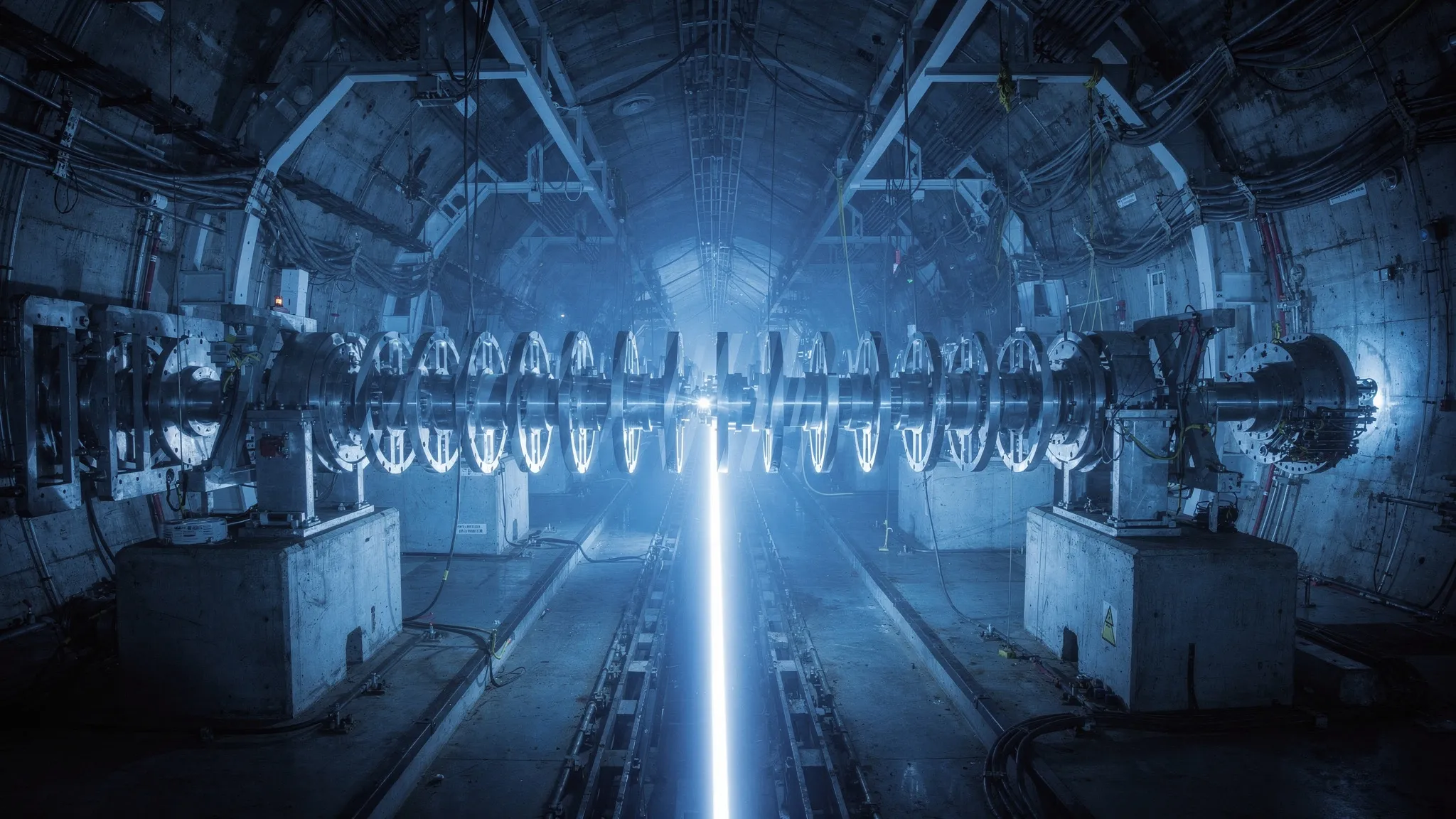
    ایک لمبی زیرِ زمین سرنگ جس میں کنکریٹ کے سہاروں پر بڑے دھاتی انگوٹھی نما ماڈیولوں کی قطار ہے، اور اس کے محور کے ساتھ کوبالٹ نیلے رنگ میں روشنی کی ایک باریک چمکدار شعاع چل رہی ہے۔

    ایک ایٹو سیکنڈ، سیکنڈ کے ارب ویں حصے کا ارب واں حصہ ہے۔ اتنی مختصر نبضیں ایٹموں اور مالیکیولوں کے اندر حرکت کرتے الیکٹرانوں کی فلم بنا سکتی ہیں۔ اس شعبے کو 2023 کا طبیعیات کا نوبیل انعام ملا۔

    جرمنی میں European XFEL پر ایک ٹیم نے الیکٹرانوں کے گچھوں کو مسلسل پانچ بار دبایا۔ عام کارکردگی میں تین مراحل استعمال ہوتے ہیں۔ سمولیشن کے مطابق کرنٹ 1,50,000 ایمپیئر تک پہنچا۔

    پھر الیکٹرانوں نے نرم ایکسرے کی ایسی چمکیں خارج کیں جو تقریباً 100 ایٹو سیکنڈ تک رہیں۔ کچھ میں 3 ملی جول تک توانائی تھی۔ ان کی چوٹی کی طاقت تقریباً 10 ٹیرا واٹ تک پہنچی۔

    مصنفین کے مطابق ایٹو سیکنڈ ایکسرے کے لیے اتنی مختصر چمک میں اتنی توانائی پہلے کبھی نہیں دیکھی گئی۔ فی سیکنڈ دسیوں ہزار نبضوں کے ساتھ محققین بہترین نبضیں منتخب کر سکتے ہیں۔ دورانیہ طیف سے اخذ کیا گیا ہے، براہِ راست ناپا نہیں گیا۔

    ماخذ: Generation of 10-TW Attosecond X-Ray Pulses in a Free Electron Laser, https://arxiv.org/abs/2609.31534

    پری پرنٹتجربہ4 منٹ کا مطالعہ
  4. طبیعیات

    THE PAPER STACK THAT BOUNCES BACK

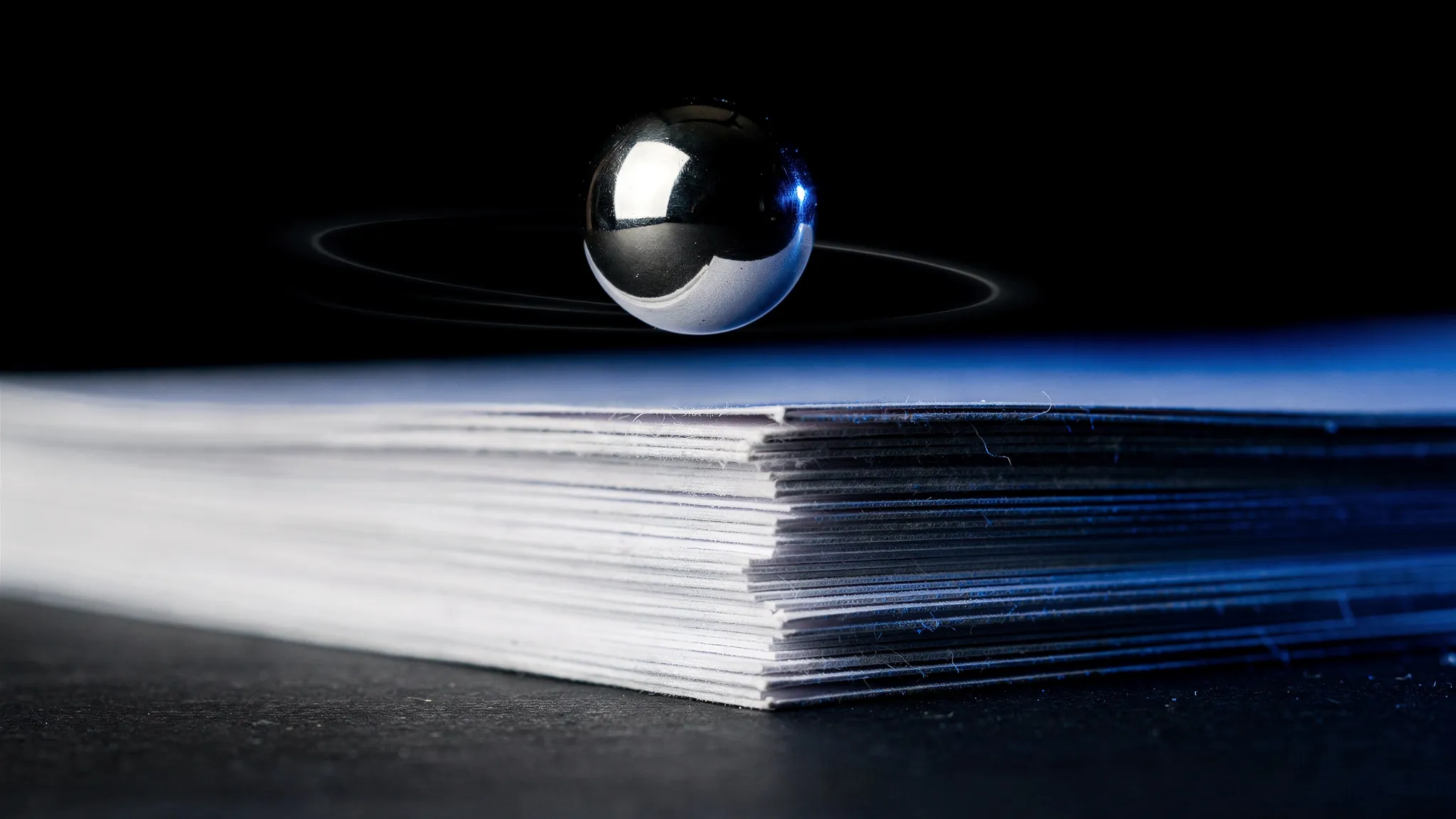
    A small steel ball bouncing above a neat stack of white printer paper on a dark table, lit in cobalt blue, with faint circular motion trails around it.

    Drop a ball on a cushion, and it bounces less. Add more cushion, and it should bounce even less, right? A stack of ordinary printer paper says otherwise.

    Physicists in Amsterdam dropped a steel ball on stacks of up to 500 A4 sheets. With ten sheets, the rebound fell from 0.71 to 0.50. Then it climbed back, peaking around 58 sheets.

    The impact sends a sound wave down the stack. It bounces off the table and comes back up. If it returns while the ball still touches the paper, it pushes the ball upward.

    The surprise: the air trapped between sheets does most of the work. Each gap is about 15 micrometres thick. Pump most of the air out, and this paper trampoline stops working.

    Source: The Paper-Stack Trampoline: Acoustic Restitution in Layered Media, https://arxiv.org/abs/2609.31213

    پری پرنٹتجربہ4 منٹ کا مطالعہ
  5. ریاضی

    ♛ شطرنج کی ملکائیں جو سنہری تناسب کی پیروی کرتی ہیں

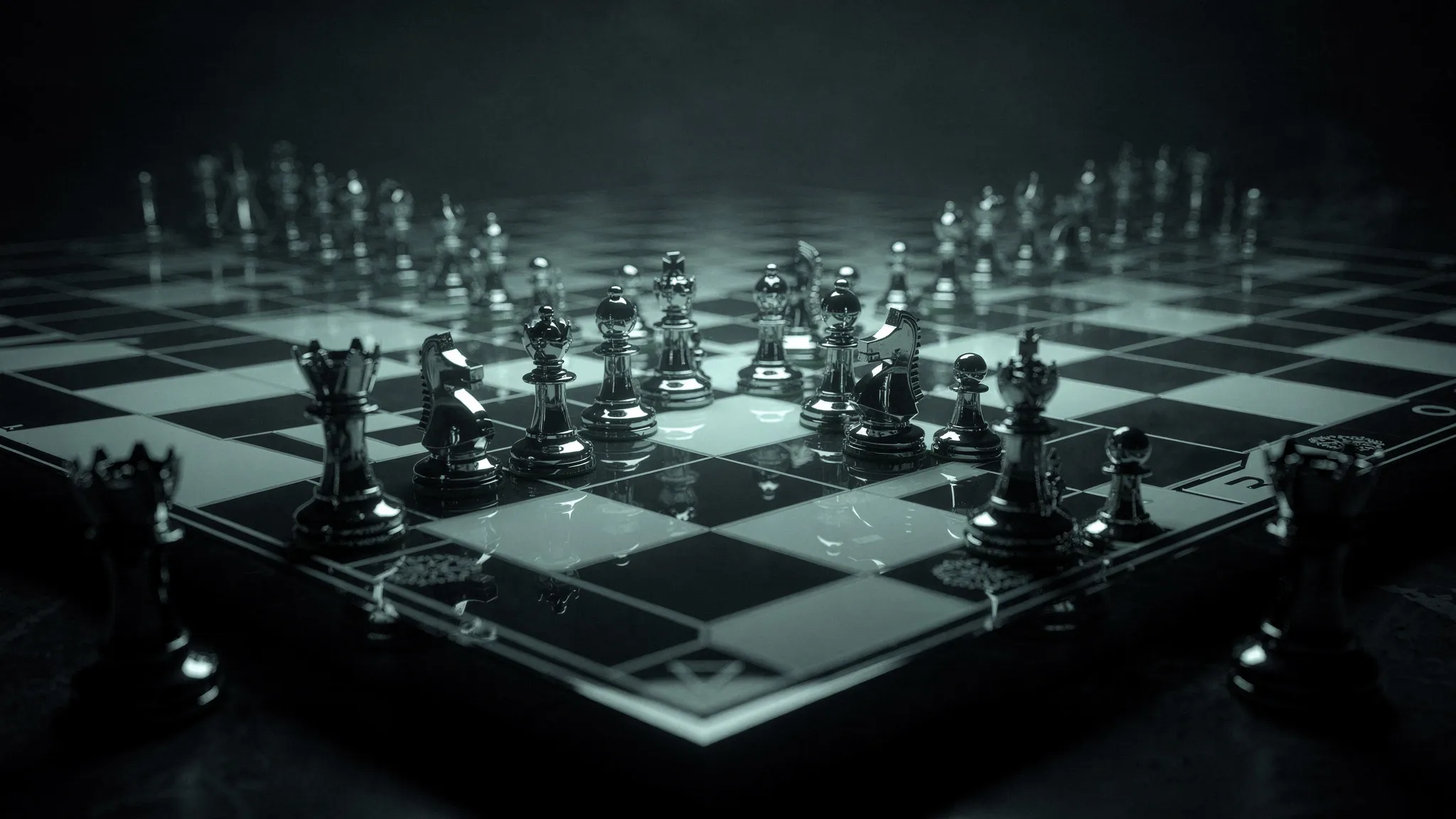
    ایک وسیع شطرنج کی بساط پر کھڑے چمکدار مہرے، جو اندھیرے میں گم ہوتی جاتی ہے، گہری فیروزی روشنی میں۔

    ایک ایسی شطرنج کی بساط لیں جس کی کوئی انتہا نہ ہو۔ کونے میں ایک ملکہ رکھیں۔ پھر ہر کالم میں ایک ملکہ رکھتے جائیں، ہمیشہ اس سب سے نچلے خانے میں جس پر کوئی دوسری ملکہ حملہ نہ کرتی ہو۔

    ملکائیں دو لکیروں میں بٹ جاتی ہیں۔ ایک 1.618 کی ڈھلوان سے اوپر چڑھتی ہے، دوسری 0.618 سے۔ دونوں عدد سنہری تناسب، φ = (1 + √5)/2، سے آتے ہیں۔

    ریاضی دانوں نے 2020 میں یہ قیاس پیش کیا، اور ڈونلڈ کنتھ نے ایک ارب کالموں تک اس کی جانچ کی۔ اب سنگاپور کے بون سوان ہو نے اسے ثابت کر دیا ہے۔ کوئی ملکہ اپنی لکیر سے تقریباً 7 خانوں سے زیادہ دور نہیں جاتی۔

    کلیدی قدم کو کمپیوٹر نے 7,014 ممکنہ صورتوں میں جانچا۔ اور مصنف کا کہنا ہے کہ ثبوت خود اے آئی GPT-6 Pro کی مدد سے ملا۔ جانچ کا کوڈ عوامی ہے، اور ساتھ Lean میں اس کی باضابطہ تشکیل بھی۔

    ماخذ: Greedy queens and the golden ratio, https://arxiv.org/abs/2609.31336

    پری پرنٹنظریہ4 منٹ کا مطالعہ
  6. حیاتیات

    ONE RNA MOLECULE TO START IT ALL?

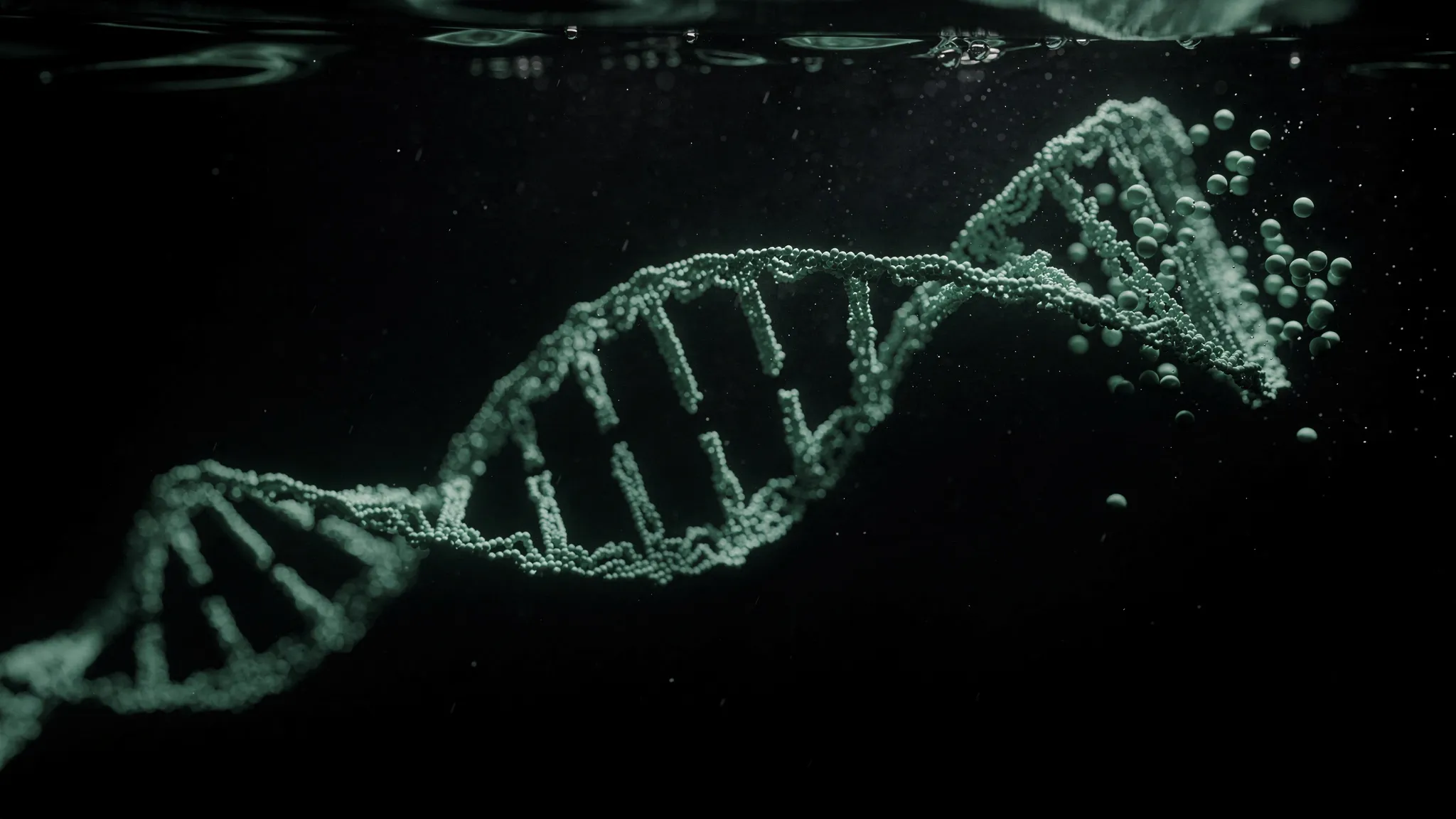
    A beaded double helix floating in dark water, small beads drifting away from one end, lit in deep jade green.

    Life faces a chicken-and-egg puzzle. Proteins are built by the ribosome, yet the ribosome needs proteins to work well. So which came first?

    Three researchers in France and Australia propose an answer: neither. In their hypothesis, one RNA molecule copied itself and also began making peptides. They call it the riboreplisome.

    They sketch 12 steps from a simple RNA copier to a ribosome and a genome. Only the first two need a stroke of chemical luck. The other ten could follow through ordinary natural selection.

    In their simulations, the single molecule ends almost six times fitter than a "soup" of cooperating RNAs. The main reason: useful products stay next to the genes that made them. It remains a theory, and the authors propose four ways to test it.

    Source: Pathways of early evolution from the perspectives of a riboreplisome – the ultimate RNA machine of life, https://arxiv.org/abs/2609.30816

    پری پرنٹنظریہ3 منٹ کا مطالعہ
  7. طب اور صحت

    آپ کی حیاتیاتی عمر شاید جھوٹ بول رہی ہے

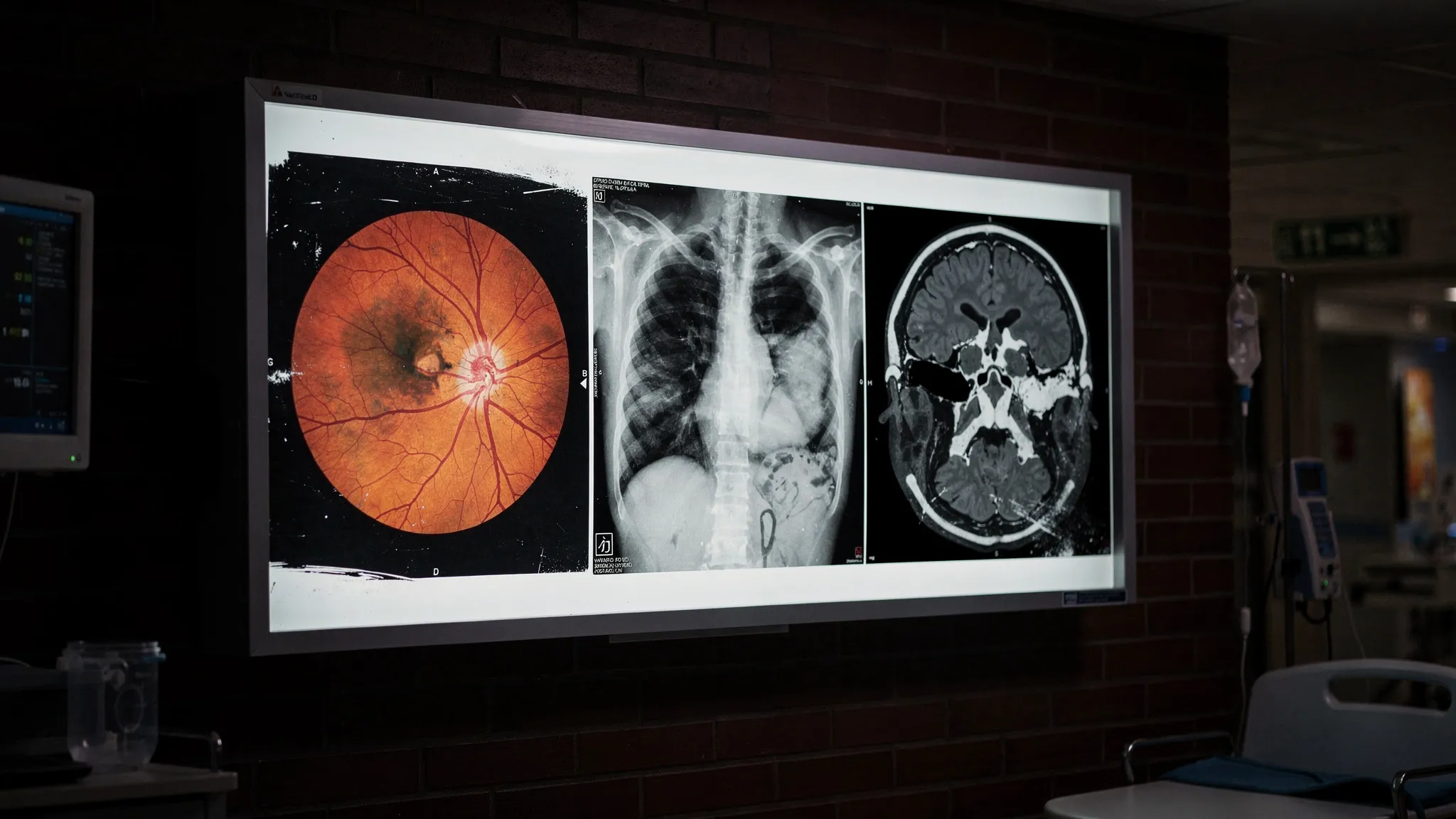
    ہسپتال کی ایک مدھم دیوار پر طبی لائٹ باکس، جس پر ریٹینا کی تصویر، سینے کا ایکسرے اور دماغ کے ایم آر آئی کا ایک حصہ ساتھ ساتھ لگے ہیں۔

    مصنوعی ذہانت کے ماڈل اب آنکھ کی تصویر، سینے کے ایکسرے، دماغ کے اسکین یا خون کے ٹیسٹ سے آپ کی عمر کا اندازہ لگا سکتے ہیں۔ اگر اندازہ آپ کی اصل عمر سے زیادہ ہو تو کہا جاتا ہے کہ آپ تیزی سے بوڑھے ہو رہے ہیں۔

    یونیورسٹی کالج لندن کی قیادت میں ایک ٹیم نے ایسی پانچ “عمر رسیدگی کی گھڑیوں” کو پرکھا۔ اعضا پر مبنی چاروں گھڑیوں میں ایک ہی پوشیدہ تعصب ہے۔ وہ اندازوں کو اوسط عمر کی طرف کھینچتی ہیں، اور یہ کھنچاؤ صحت مند لوگوں کی نسبت بیمار لوگوں میں زیادہ ہوتا ہے۔

    نتیجہ: “زیادہ عمر کا دکھنے” اور “بیمار ہونے” کا تعلق عمر کے ساتھ مدھم پڑ جاتا ہے۔ سینے کے ایکسرے میں تو یہ 70 سال کے بعد الٹ بھی جاتا ہے۔ دوبارہ کیلیبریشن یا دوبارہ تربیت سے یہ تعصب ختم نہیں ہوا۔

    ایک ہی عمر کے ایک صحت مند اور ایک بیمار شخص کا جوڑا بنانے پر، 25% سے 59% جوڑوں میں صحت مند شخص زیادہ عمر کا دکھائی دیا۔ مصنفین خبردار کرتے ہیں: ابھی کوئی گھڑی تنہا کسی ایک شخص کی صحت کا فیصلہ نہیں کر سکتی۔

    ماخذ: Prediction bias in biological ageing markers, https://arxiv.org/abs/2609.30322

    پری پرنٹڈیٹا کا تجزیہ4 منٹ کا مطالعہ
  8. زمین اور آب و ہوا

    CLOUDS WITHOUT FLUID MECHANICS

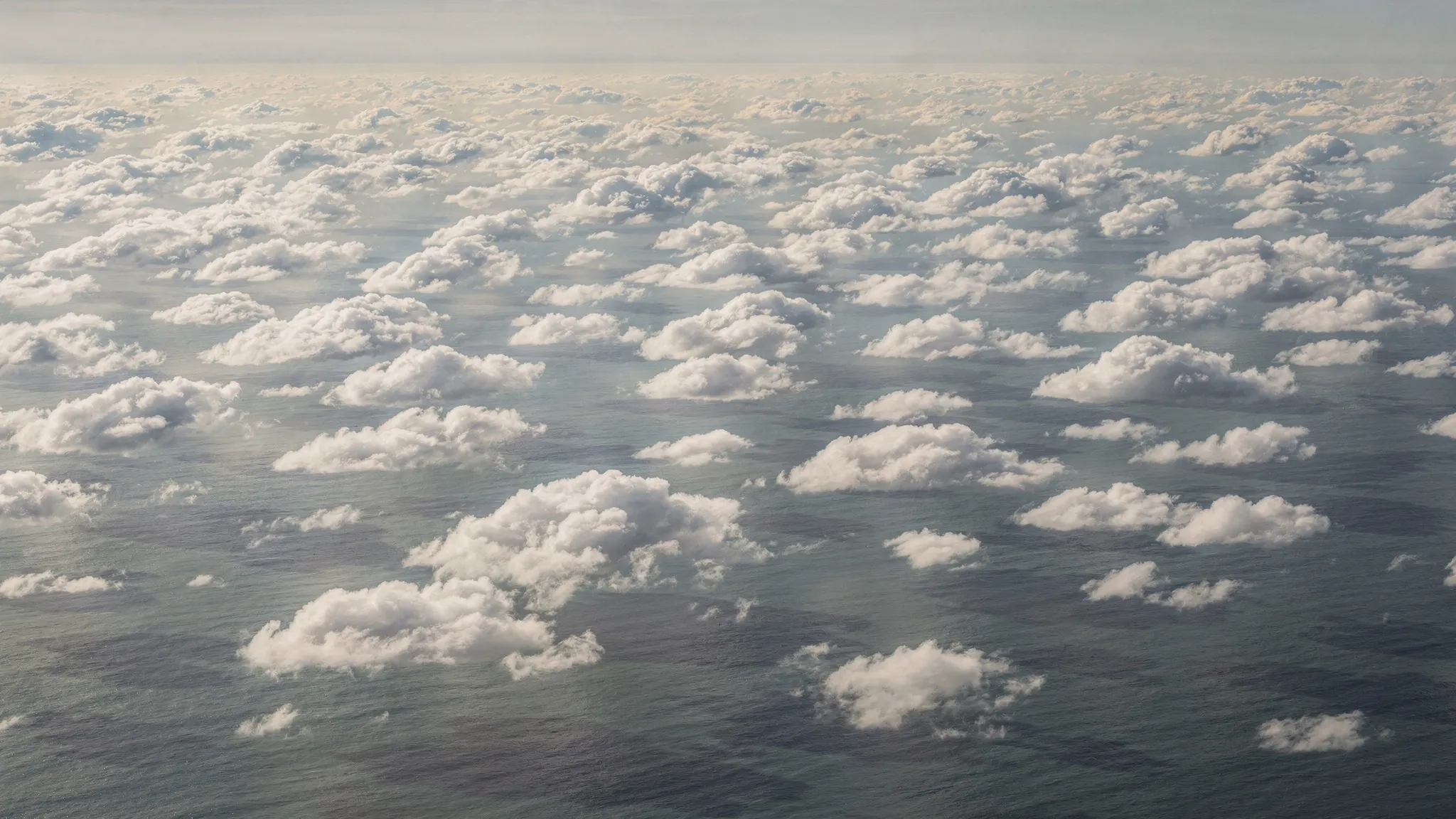
    A field of white cumulus clouds over a calm sea, seen from low altitude, with a faint dark olive green tint in the afternoon light.

    Weather models solve the equations of fluid motion on a grid. To be exact, they would need grid cells about a millimetre wide. Even the best models resolve less than half of the relevant scales.

    A PhD thesis at the University of Utah tries something else. It builds the atmosphere from "turbulons", formal eddies of all sizes stacked like building blocks. No fluid equations, no time steps.

    The resulting 3D cloud fields broadly match high-resolution simulations, with clear flaws. Seen from space, their geometry matches satellite images as well as or better than the reference simulations.

    Each independent snapshot costs 100,000 to a million times less computing. But the model needs average profiles from another model. And without time steps, it cannot forecast tomorrow's weather.

    Source: Weather and Climate Without Fluid Mechanics, https://arxiv.org/abs/2609.30589

    پری پرنٹسمیولیشن4 منٹ کا مطالعہ
  9. کمپیوٹنگ اور مصنوعی ذہانت

    A 281-GRAM ROBOT JUMPS 7.6 METRES

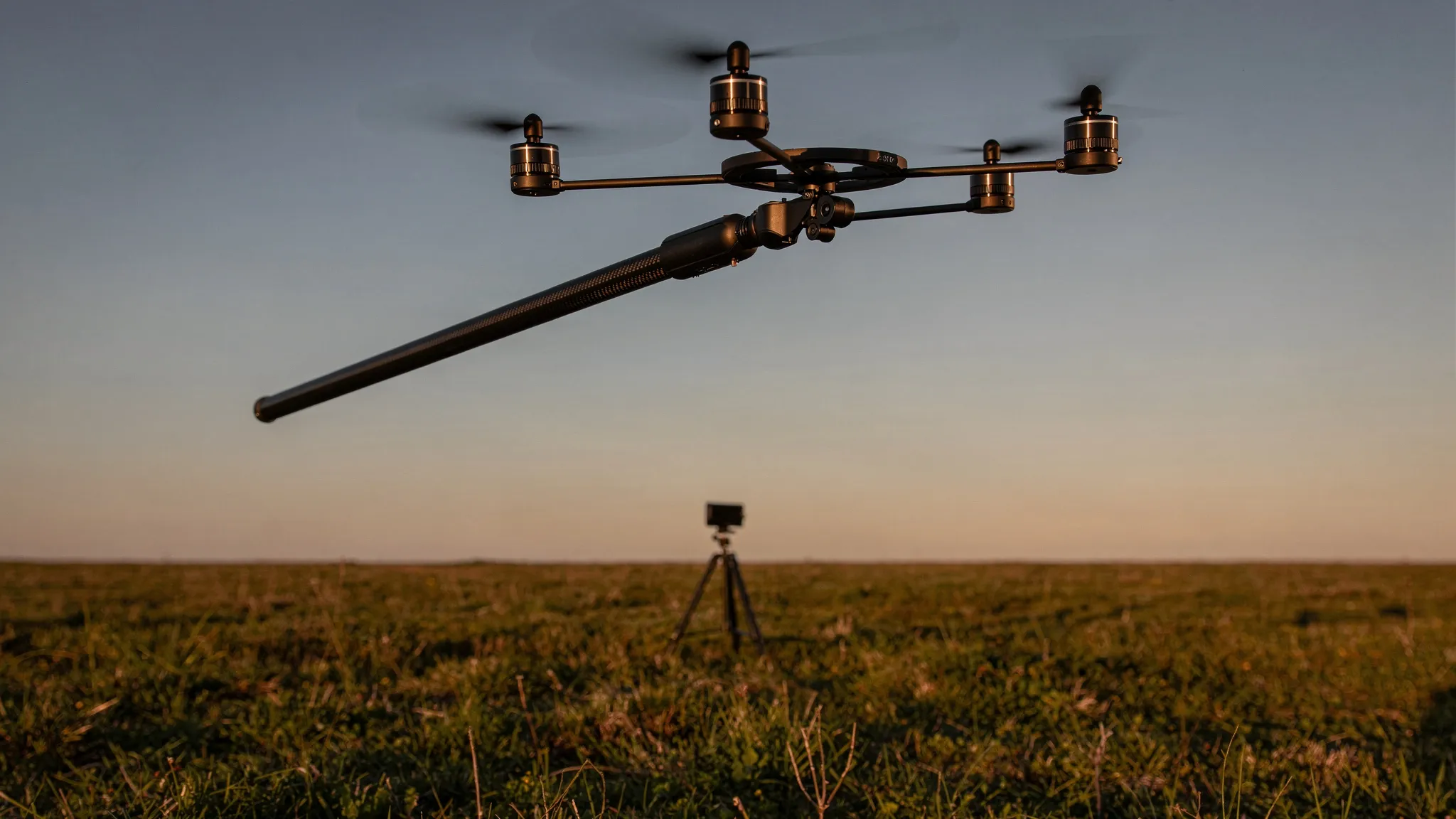
    A thin carbon-fibre pole robot with four small propellers at its top, caught in mid-air above a grassy field, a small tripod in the distance, in warm evening light.

    The best robot jumpers cheat a little. They slowly wind up a spring, lock it, then let go. One record holder rests about two minutes between jumps.

    Engineers at the University of Illinois took the other road. Their robot weighs 281 grams. It has one carbon leg nearly two metres long, driven straight by a small motor, with no spring at all.

    The trick is a ribbon of fabric wrapped around the leg like a candy-cane stripe. It keeps the motor near full power and stops the thin leg from buckling.

    Result: a 7.6-metre leap after just 190 milliseconds on the ground. Four small propellers at the top keep the long leg upright. It is the highest jump reported for an electric robot without springs.

    Source: A Long-Legged, Direct-Drive Monopedal Robot Achieves Exceptional Jump Height, https://arxiv.org/abs/2609.30530

    پری پرنٹتجربہ5 منٹ کا مطالعہ
  10. کمپیوٹنگ اور مصنوعی ذہانت

    ایک جملہ اے آئی ڈرائیوروں کو ٹریفک جام میں پھنسا دیتا ہے

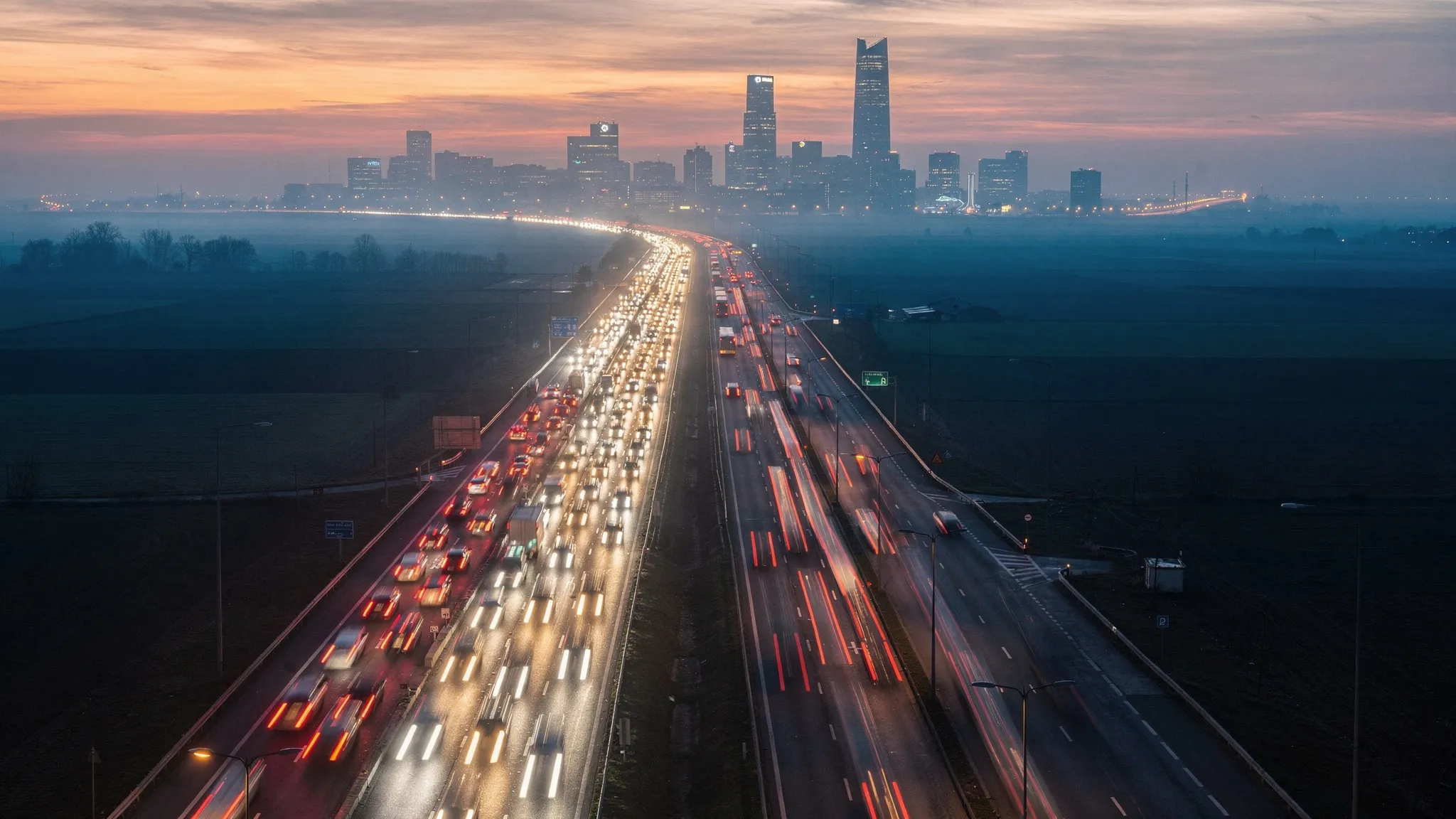
    شام کے وقت ایک شاہراہ کا فضائی منظر جو ایک دور کے شہر کی طرف دو سڑکوں میں بٹ جاتی ہے، ایک گاڑیوں اور ہیڈ لائٹس سے بھری ہوئی، دوسری پر کم گاڑیاں تیزی سے چلتی ہوئی، گرم کہربائی روشنی میں۔

    دو یکساں سڑکیں، ایک ہی ماڈل پر بنے 50 اے آئی ڈرائیور۔ ہر صبح ایک ٹریفک نشریہ زیادہ خالی سڑک کا نام بتاتا ہے۔ ایجنٹ اس کا اچھا استعمال کرتے ہیں: فی سفر تقریباً 64 منٹ، مثالی ایک گھنٹے کے قریب۔

    پھر ٹوکیو کے محققین نے ایک جملہ شامل کیا۔ بہت سے ڈرائیور یہ مشورہ سنیں گے اور سڑک بدلیں گے، اس لیے وہ سڑک جام ہو سکتی ہے۔ نتیجہ: تقریباً 96% ایجنٹ اسی بھری ہوئی سڑک پر رہے۔

    سفر کا اوسط وقت بڑھ کر 95 منٹ ہو گیا۔ کوئی بھی ایجنٹ اکیلے سڑک بدل کر 69 منٹ بچا سکتا تھا۔ 100 مرحلوں کے بعد بھی دس میں سے کوئی گروہ اس جال سے نہیں نکلا۔

    اسی انتباہ کے تحت 20 انسانوں کے گروہ توازن کے قریب رہے۔ ملے جلے گروہوں میں انسان بڑھتی ہوئی تعداد میں وہ سڑک لیتے گئے جس سے ایجنٹ بچتے رہے۔ 15 ایجنٹوں کے ساتھ انسانوں کا اوسط 44 منٹ رہا اور ایجنٹوں کا 80۔

    ماخذ: Warned alike, AI agents avoid the less-crowded road while people take it, https://arxiv.org/abs/2609.30883

    پری پرنٹتجربہ6 منٹ کا مطالعہ
Legal notice