30 ستمبر، 2026 کا شمارہ

  1. خلا اور فلکیات

    پڑوس میں چھپا ہوا ایک دیو؟

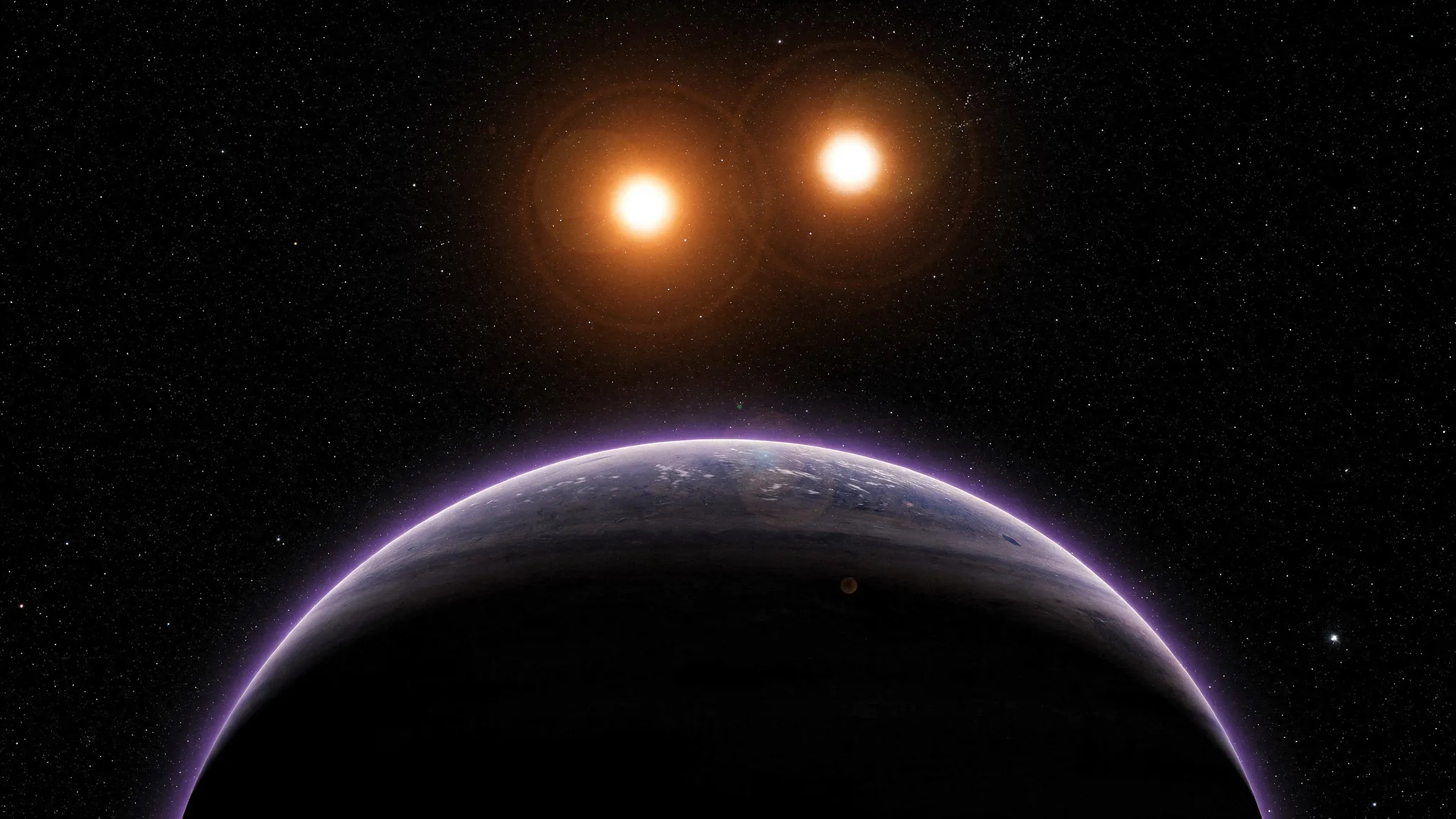
    گہرے خلا میں ساتھ ساتھ دو نارنجی ستارے، سامنے ایک تاریک دیو ہیکل سیارہ جس کا کنارہ ہلکا سا روشن ہے۔

    61 سگنی (61 Cygni) نارنجی ستاروں کا ایک جوڑا ہے جو صرف 3.5 پارسیک دور ہے۔ یہ پہلا ستارہ تھا جس کا فاصلہ کبھی ناپا گیا۔ مستقبل کی دوربینیں وہاں زمین کے جڑواں تلاش کرنا چاہتی ہیں۔

    کوئی نادیدہ چیز دونوں میں سے ایک ستارے کو کھینچ رہی ہے۔ Gaia اور Hipparcos کے اعداد و شمار ان کی حرکت میں ہلکی سی لرزش ظاہر کرتے ہیں۔ وہاں آج تک کسی سیارے کی تصدیق نہیں ہوئی۔

    ایک ٹیم نے 37 سال کی پیمائشیں اور دس لاکھ نقلی مدار یکجا کیے۔ بہترین نتیجہ: مشتری سے تقریباً آٹھ گنا کمیت والا ایک ٹھنڈا دیو، جو اپنے ستارے سے اس سے تقریباً آٹھ گنا دور ہے جتنی زمین سورج سے۔

    اگر وہ کافی قریب ہو تو قابلِ رہائش خطے کو تباہ کر دے گا، جہاں زمین کا کوئی جڑواں بس سکتا ہے۔ زیادہ دور اور جھکے ہوئے مدار پر بھی یہی ہو سکتا ہے۔ اس لیے وہاں زمینیں ڈھونڈنے سے پہلے ماہرینِ فلکیات کو اس امیدوار کی تصدیق کرنی ہوگی۔

    ماخذ: Worlds Next Door. V. A Candidate Solar System Scale Super-Jupiter in the 61 Cygni Binary System, https://arxiv.org/abs/2609.32893
    پری پرنٹڈیٹا کا تجزیہ5 منٹ کا مطالعہ
  2. طبیعیات

    ضد مادہ کتنی آسانی سے بنتا ہے؟

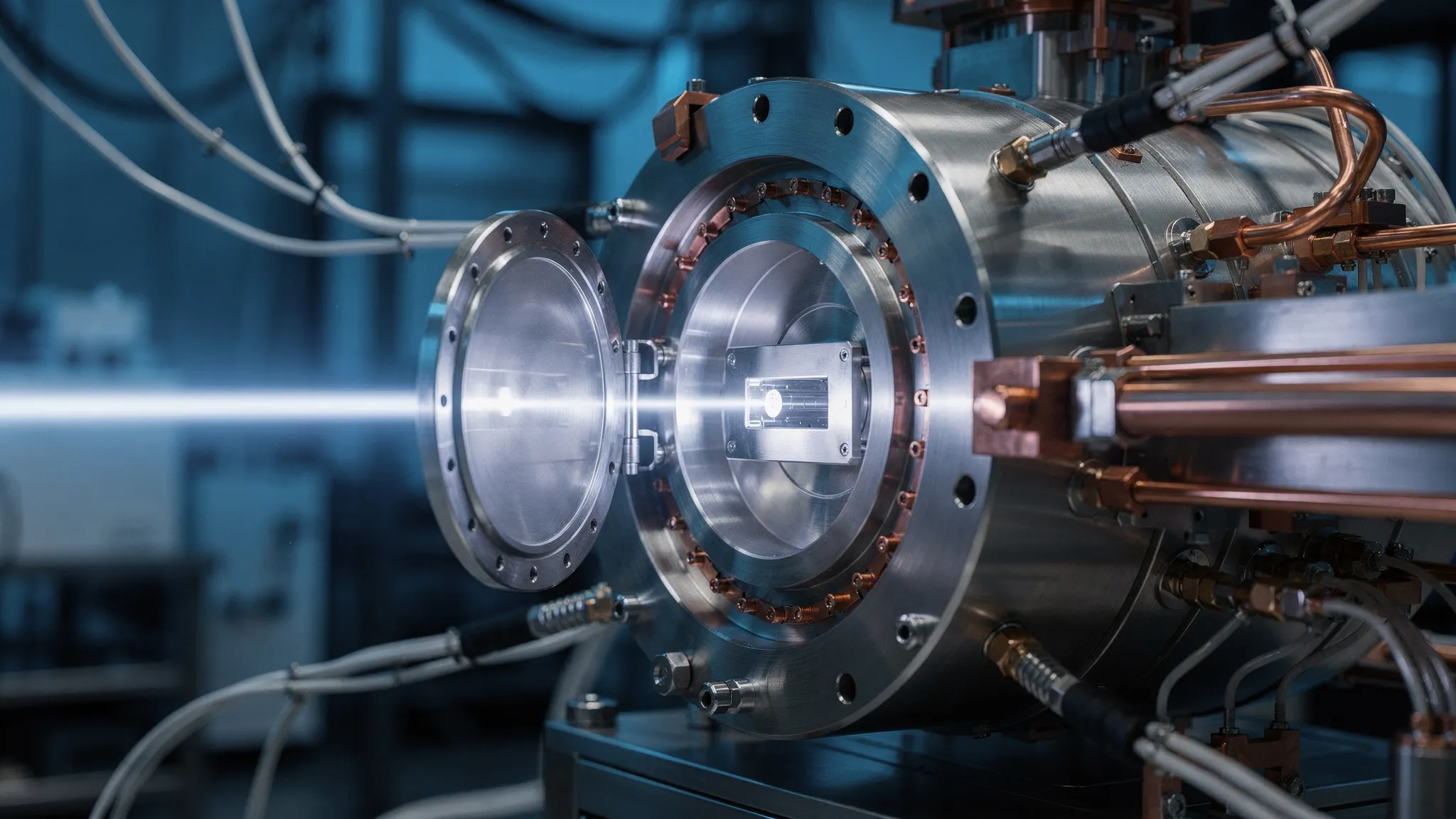
    ذرات کی ایک پتلی شعاع فولادی خلائی خانے (ویکیوم چیمبر) کے اندر ایک چھوٹی دمکتی کھوکھ میں داخل ہوتی ہوئی، نیلی روشنی میں۔

    اینٹی ہائیڈروجن، ہائیڈروجن کا آئینہ جڑواں ہے: ایک اینٹی پروٹان اور ایک پوزیٹران۔ CERN میں GBAR ٹیم اسے گرا کر گرتا ہوا دیکھنا چاہتی ہے۔ پہلے اسے مؤثر طریقے سے بنانا ہوگا۔

    ان کا نسخہ: اینٹی پروٹانز کو پوزیٹرونیم کے بادل میں داغنا، جو ایک الیکٹران اور ایک پوزیٹران سے بنا ایٹم ہے۔ کبھی کبھی کوئی اینٹی پروٹان پوزیٹران چرا لیتا ہے۔

    پہلی بار ناپا گیا کہ ایسا ہونے کا امکان کتنا ہے۔ 6 کلو الیکٹران وولٹ پر تقریباً 390 اینٹی ہائیڈروجن ایٹم، 4 پر تقریباً 70۔ یہ امکانات دو آزاد کوانٹم حسابات سے بہت اچھی طرح ملتے ہیں۔

    ان کی غیر یقینی، عام مادے کے ساتھ اسی تعامل کی واحد پیمائش (1997) سے کم ہے۔ یہ اعداد اب طے کرتے ہیں کہ GBAR ضد مادہ کے آزادانہ گرنے کے تجربے کے لیے کتنی تیزی سے ایٹم جمع کر سکتا ہے۔

    ماخذ: First measurement of the antihydrogen production cross section through the charge-exchange reaction of low-energy antiprotons with orthopositronium, https://arxiv.org/abs/2609.33990

    پری پرنٹتجربہ4 منٹ کا مطالعہ
  3. زمین اور آب و ہوا

    2025 میں خشکی نے پھر سے سانس اندر کھینچا

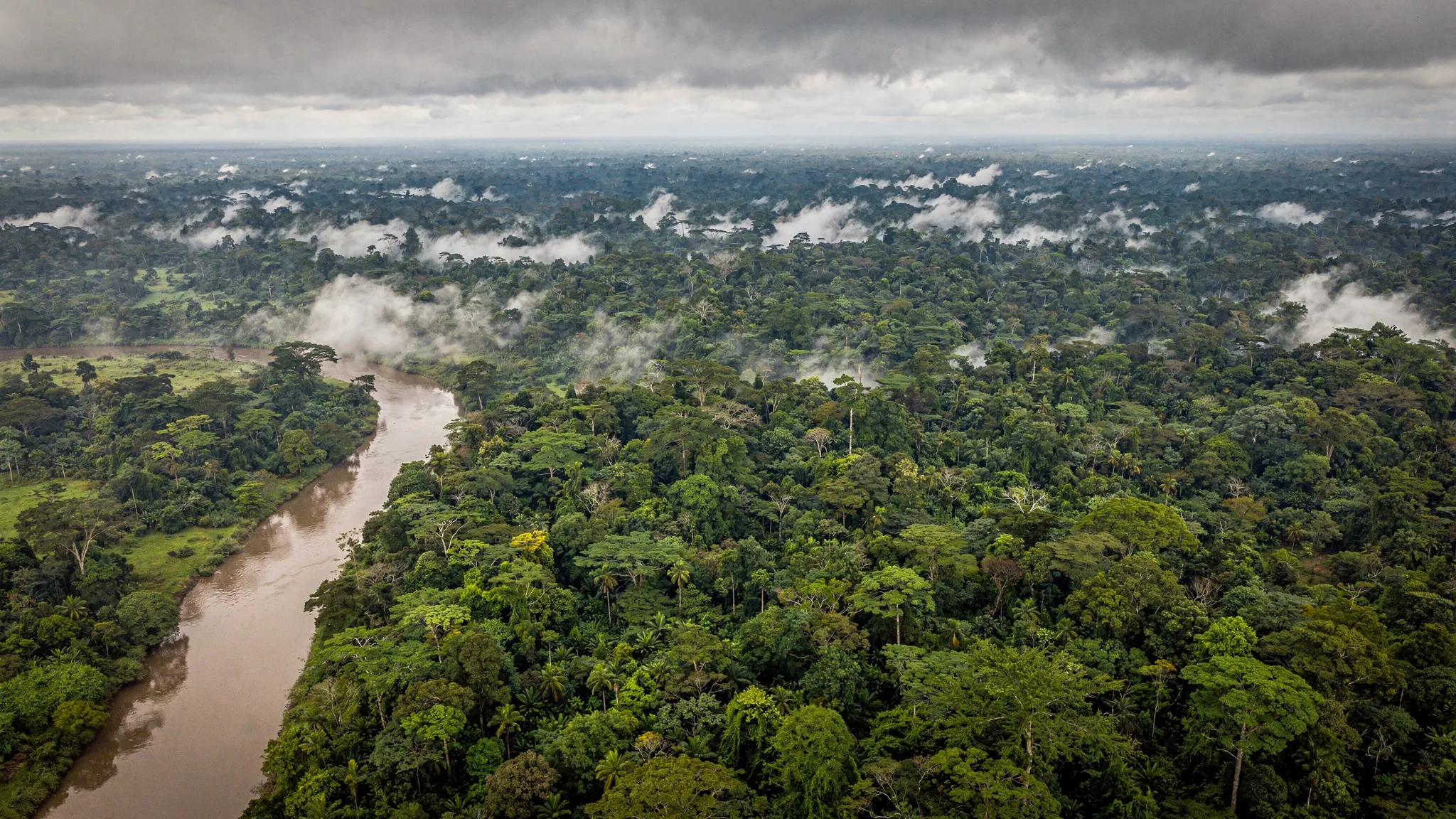
    بارش کے بعد ایک سرسبز استوائی جنگل کا فضائی منظر، ابر آلود آسمان تلے درختوں کے درمیان سے دھند اٹھتی ہوئی۔

    2024 میں ہوا میں کاربن ڈائی آکسائیڈ ریکارڈ رفتار سے بڑھی۔ 2025 میں اضافے کی شرح 45% گر گئی۔ حالانکہ رکازی اخراج پھر بھی 0.7% بڑھا۔

    یہ کیسے ممکن ہے؟ فرانس اور چین سے قیادت کی گئی ایک ٹیم نے نباتات کے ماڈل، سمندر کے ماڈل اور OCO-2 سیٹلائٹ کو یکجا کیا۔ انہوں نے 2025 کا کاربن میزانیہ ایک سال کے بجائے چند مہینوں میں تیار کیا۔

    جواب خشکی ہے۔ 2025 میں جنگلات اور مٹی نے تقریباً 2.4 ارب ٹن کاربن جذب کیا۔ 2024 میں انہوں نے تقریباً کچھ جذب نہیں کیا تھا، بلکہ کاربن خارج بھی کیا تھا۔ سمندر میں مشکل سے کوئی تبدیلی آئی۔

    سب سے زیادہ بحالی استوائی خطوں میں ہوئی، خاص طور پر افریقہ میں۔ شمالی خشکی صرف جزوی طور پر بحال ہوئی۔ ہوا میں CO2 اب بھی بڑھ رہی ہے، بس آہستہ۔ اور یہ جاذب خشک سالی اور ال نینو کے ساتھ اوپر نیچے ہوتا ہے۔

    ماخذ: Low latency global carbon budget reveals strong land sink recovery in 2025, https://arxiv.org/abs/2609.34226

    پری پرنٹڈیٹا کا تجزیہ4 منٹ کا مطالعہ
  4. طب اور صحت

    A LASER IN A CONTACT LENS

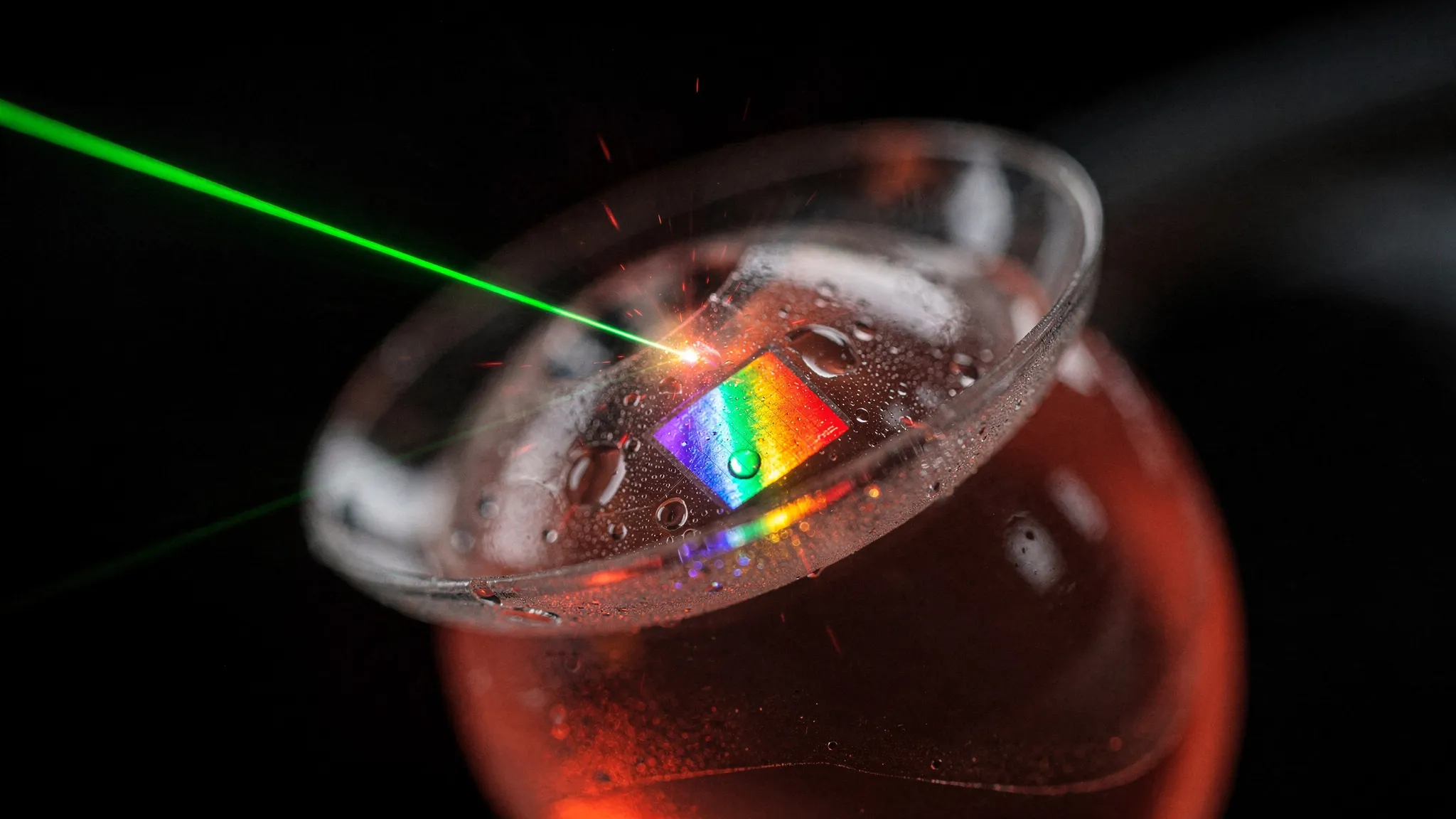
    A clear soft contact lens resting on a red-lit artificial eye, a green laser beam hitting a small rainbow-sheened patch near its centre.

    Glaucoma is managed by tracking the pressure inside the eye. Today, it is measured only at the clinic, now and then. Daily swings go unnoticed.

    A company team in Dubai built a soft contact lens with a tiny laser on it. A dye film, thinner than a micrometre, glows when flashed with green light. Its colour shifts as the lens stretches.

    On an artificial eye, raising the pressure turned the laser line slightly redder. The sensor read pressure to within about 1.2 millimetres of mercury. That is about the precision monitoring requires.

    No human or animal eye was tested yet. The pump laser and spectrometer are still outside the lens. Temperature also shifts the reading. The authors hold a patent on the design.

    Source: Contact lens with stretchable distributed-feedback laser for intraocular pressure monitoring, https://arxiv.org/abs/2609.34476

    پری پرنٹتجربہ3 منٹ کا مطالعہ
  5. حیاتیات

    تقسیم ہونے والے خلیے بھنوروں کو کامل رکھتے ہیں

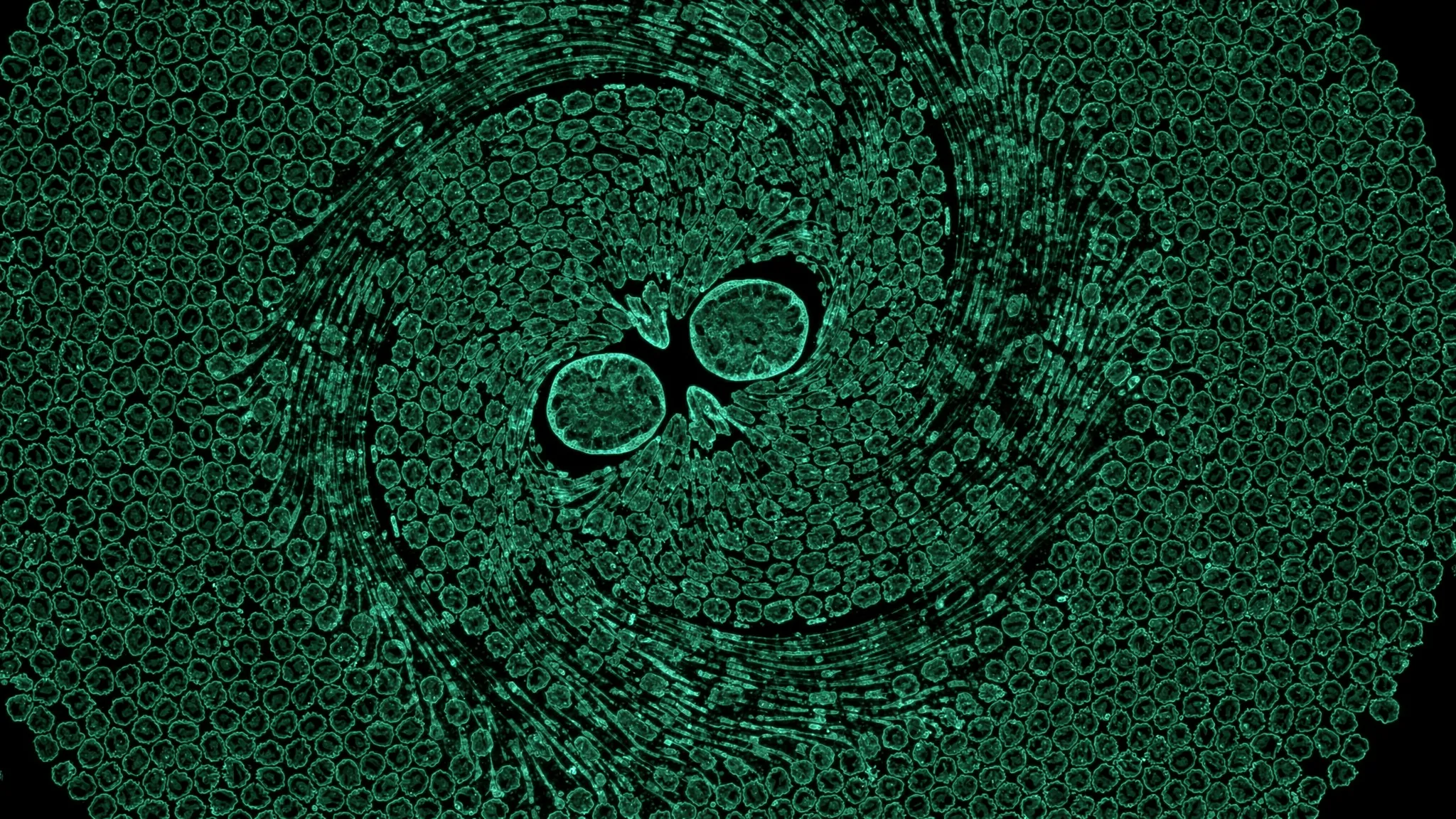
    خوردبین سے لیا گیا اپیتھیلیل خلیوں کی گھنی تہ کا منظر، جس کے بیچ میں ایک خلیہ دو میں تقسیم ہو رہا ہے، سبز روشنی میں۔

    اپیتھیلیل خلیوں کی ایک تہ میں خلیے مل کر دھاروں اور بھنوروں کی صورت میں گھومتے ہیں۔ گھڑی وار اور خلافِ گھڑی بھنوروں کے درمیان کی لکیریں ایک سخت عالمگیر جیومیٹری پر چلتی ہیں۔ قریب سے دیکھیں، دور سے دیکھیں یا گھما کر دیکھیں، یہ ایک جیسی دکھائی دیتی ہے۔

    کوپن ہیگن کے ماہرینِ طبیعیات نے دو مختلف دواؤں سے خلیوں کی تقسیم روک دی۔ خلیے حرکت کرتے اور گھومتے رہے۔ لیکن وہ خاص جیومیٹری ٹوٹ گئی۔ اس کا کلیدی عدد 6 سے بڑھ کر تقریباً 8 ہو گیا۔

    اس کے بجائے خلیوں کی موت روکنے سے کچھ نہیں بدلا۔ ایک کمپیوٹر ماڈل نے اصل وجہ کی تصدیق کی: تقسیم کے بغیر خلیے کم پڑوسی بدلتے ہیں۔ بافت سخت اور حد سے زیادہ جکڑی ہوئی ہو جاتی ہے۔

    یعنی تقسیم صرف نئے خلیے بنانے سے بڑھ کر کام کرتی ہے۔ یہ خلیوں کی تہ کو اتنا لچکدار رکھتی ہے کہ وہ خود کو نئے سرے سے ترتیب دے سکے۔ مصنفین کا خیال ہے کہ تقسیم روکنے والی کینسر مخالف دوائیں بافتوں کی حرکت کا انداز بھی بدل سکتی ہیں۔ یہ خیال ابھی آزمایا نہیں گیا۔

    ماخذ: Cell division sets a universal flow geometry in cell layers, https://arxiv.org/abs/2609.34631

    ہم مرتبہ جائزہ شدہتجربہ4 منٹ کا مطالعہ
  6. خلا اور فلکیات

    HUBBLE CATCHES A LAVA WORLD'S GLOW

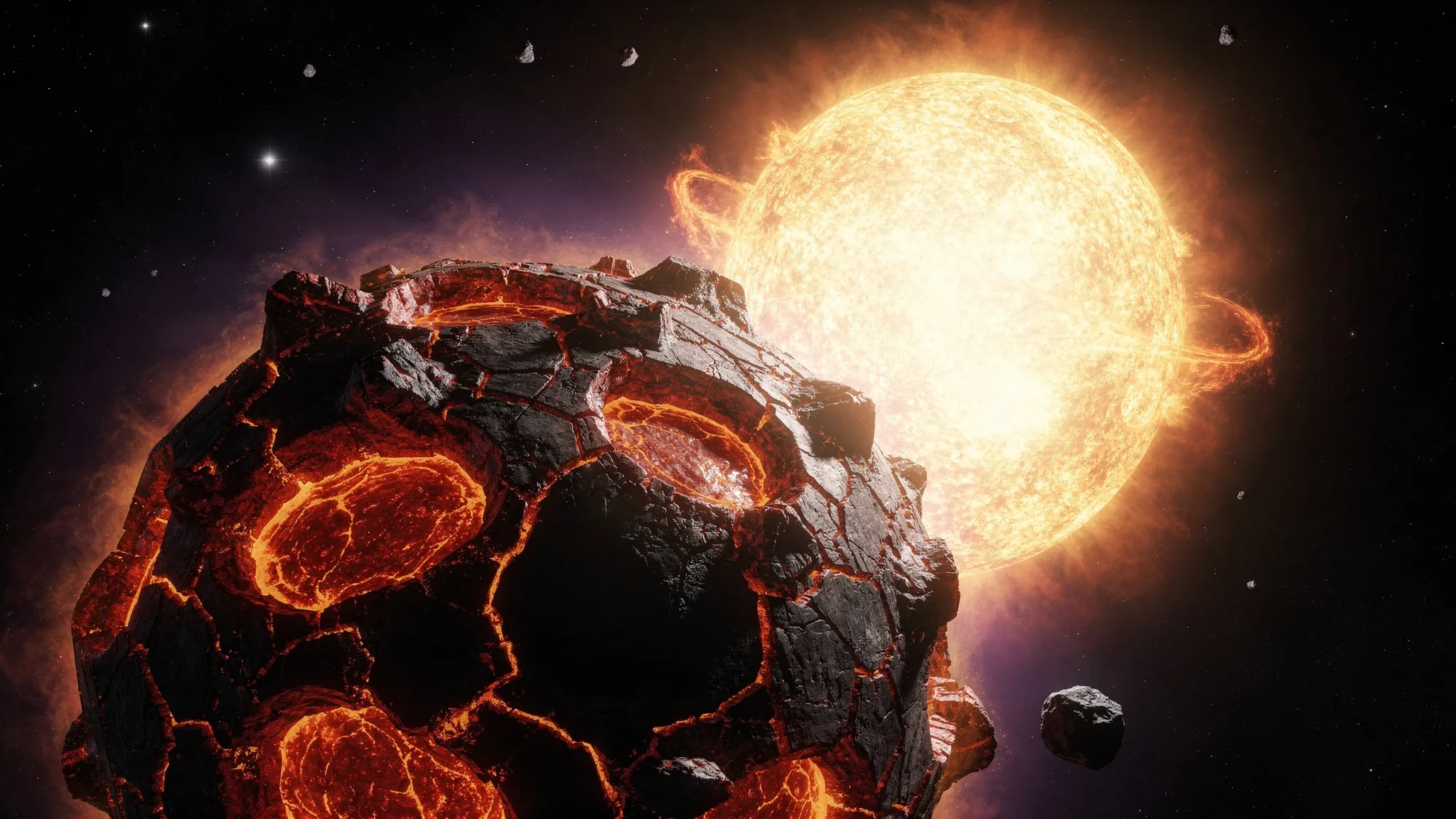
    A rocky world with a cracked dark crust and glowing pools of lava, close to a large blazing star, against black space.

    TOI-2431 b is a rocky planet one and a half times wider than Earth. It circles its star in just 5.4 hours. Its day side should be partly molten.

    Astronomers used Hubble to watch it pass behind its star. The total light dipped by just 69 parts per million. It is the first time Hubble has caught such an eclipse for a rocky planet.

    Combined with the TESS satellite, this gives a day side near 2,500 kelvins. That is almost the maximum possible, as if no heat reached the night side. Other lava worlds look cooler than expected.

    One catch: some of that light could be reflected starlight. If so, the planet is a bit cooler. The James Webb Space Telescope should settle it in the mid-infrared.

    Source: The First Hubble Detection of a Secondary Eclipse from a Rocky Exoplanet: the 5.4-hour planet TOI-2431 b, https://arxiv.org/abs/2609.31966

    پری پرنٹمشاہدہ3 منٹ کا مطالعہ
  7. کیمیا

    THE PHOSPHORUS OF LIFE, BORN AMONG THE STARS

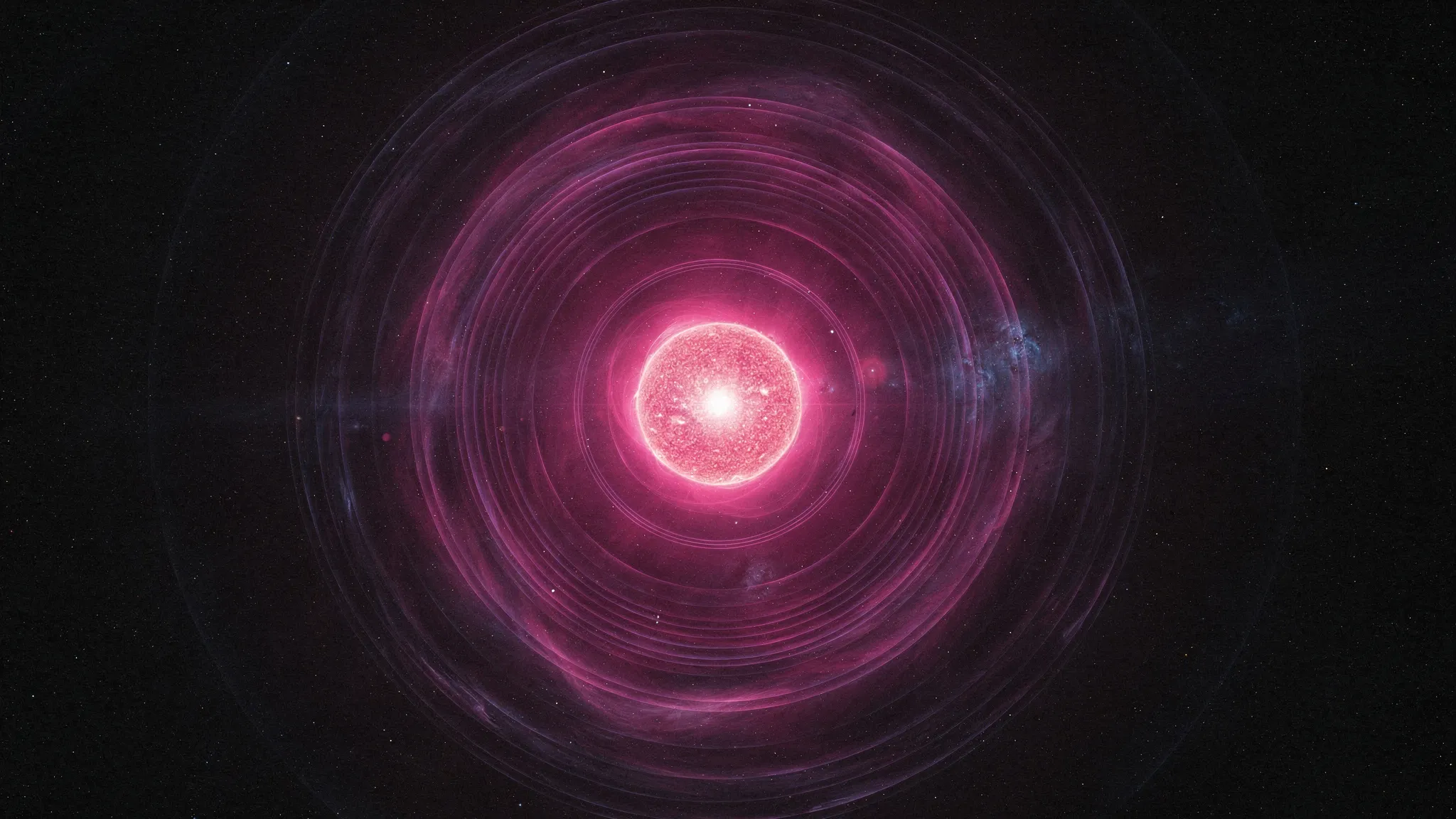
    An old star surrounded by concentric shells of glowing gas spreading outward into dark space, lit in magenta.

    Phosphorus is rare in the Universe, yet DNA, RNA and ATP all need it. How did it end up in living matter? Nobody knows for sure.

    In space, only three molecules linking phosphorus and carbon have been seen. Chemists suspected a key step: a phosphorus ion meeting acetylene, a simple carbon gas.

    A European team fired phosphorus ions at acetylene at the SOLEIL synchrotron near Paris. 99% of collisions made one product, HCCP+. The reaction also gets faster in the cold, unlike what databases assumed.

    In a model of an old carbon-rich star, this reaction becomes the main door to phosphorus ions. Its products could lead to the molecules already observed there. Next step: detect them with radio telescopes.

    Source: Synthesis of organo-phosphorous species in space: the reaction of P+ with C2H2, https://arxiv.org/abs/2609.33657

    پری پرنٹتجربہ3 منٹ کا مطالعہ
  8. ریاضی

    AN AI'S PROOF, REDRAWN FOR HUMANS

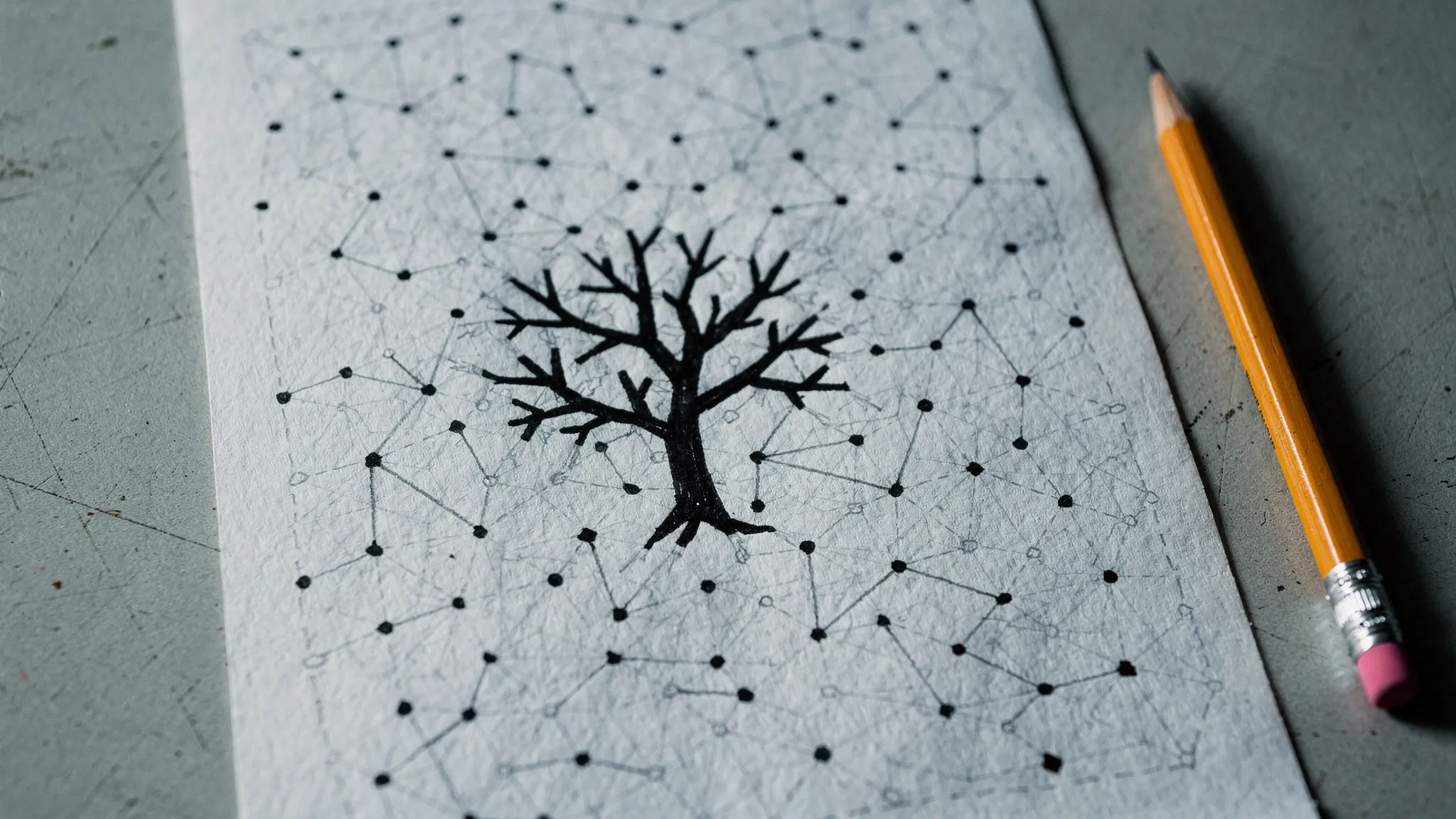
    A hand-drawn network of dots and lines on paper, a bold ink drawing of a branching tree at its centre, a pencil beside it, under soft light.

    Take a network of dots and lines. If each dot has enough links on average, does it contain every possible branching tree of a given size? Erdős and Sós raised this question in the early 1960s.

    In September 2026, a report credited a short proof of the full conjecture to a pre-release AI model, GPT-6 Astra. The proof was also checked by computer in the Lean language.

    Jay Cummings, a mathematician in California, now redraws it for humans. He reveals the network one dot at a time and counts the neighbours that arrive too early. Swapping dots shows the count can never be too large.

    His article is an exposition, not a new proof. It has 32 figures and worked examples. Rival expositions and extensions to other kinds of networks are already appearing.

    Source: The Erdős–Sós Conjecture: A Visual Exposition of the Proof Discovered by GPT-6 Astra, https://arxiv.org/abs/2609.32011

    پری پرنٹنظریہ4 منٹ کا مطالعہ
  9. طبیعیات

    A DAM BREAKS IN A QUANTUM FLUID

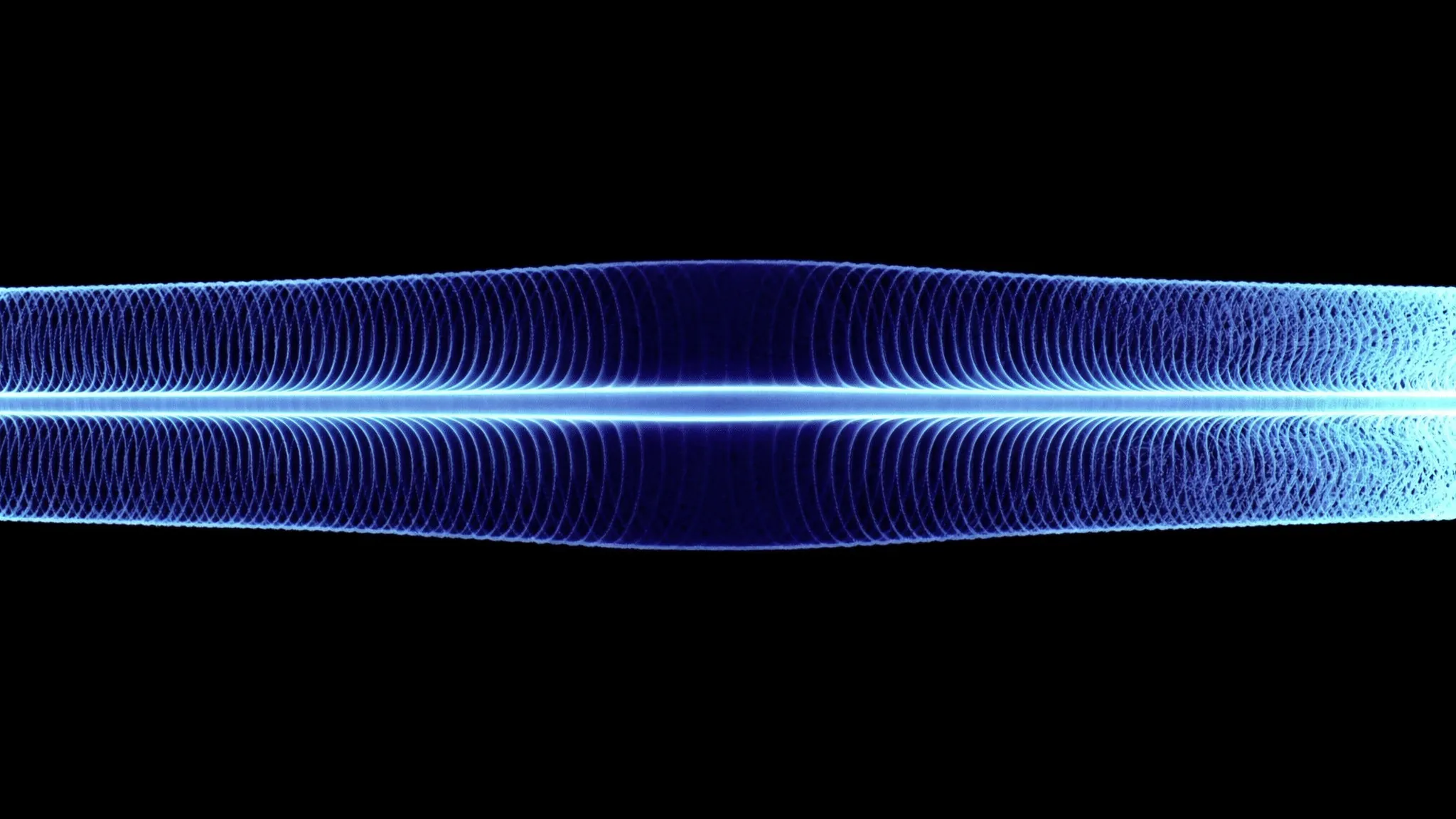
    A thin elongated cloud of ultracold atoms seen from the side, fine regular ripples along its length, brighter toward the right, in deep blue on black.

    Cool atoms to almost absolute zero and they merge into a single quantum wave, a superfluid. Now trap them in a line and add a wall. One side is denser than the other.

    Pull the wall away suddenly. Physicists simulated what happens next. Two trains of ripples rush out in opposite directions, like the tidal bores that run up some rivers.

    Between the two trains lies a calm zone where no sound travels. Its ray pattern matches a double rainbow, dark band included. The ripples grow longer only as time to the power one third.

    With a big enough density difference, the flow outruns the speed of sound. Sound can no longer travel back upstream: an analogue of a black hole's horizon forms. No experiment has seen these ripples yet, but the team suggests tricks to make them visible.

    Source: Quantum undular bores, rainbows, and event horizons in superfluid dam breaks, https://arxiv.org/abs/2609.32232

    پری پرنٹنظریہ4 منٹ کا مطالعہ
  10. کمپیوٹنگ اور مصنوعی ذہانت

    IS SCIENCE STARTING TO REPEAT ITSELF?

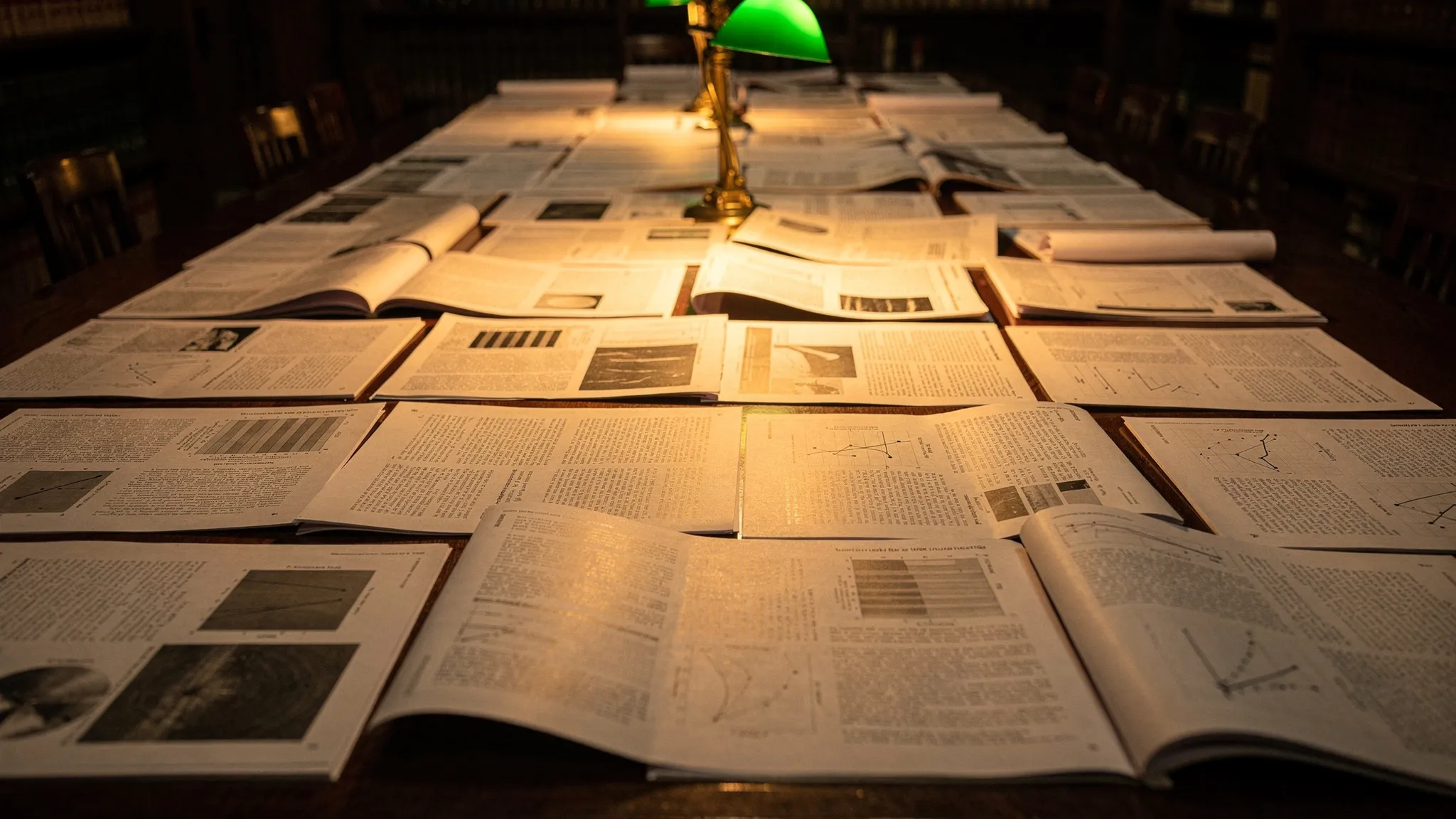
    Many printed scientific articles laid out in rows on a long library table, their pages showing similar layouts of text and graphs, under amber lamp light.

    Science publishes more every year. But are papers still saying something new? Two MIT mathematicians checked one measurable part of originality: how much a paper's text echoes recent work.

    They used language models to compare 26,000 full papers from eight fields with earlier work. Copy-paste was excluded: they looked for passages that say the same thing in different words.

    The share of echoing text was stable until 2020. Then it more than tripled by 2025. A quarter of 2025 papers contain at least one such passage. Fewer than one match in ten is cited.

    The rise coincides with AI writing tools, but the study does not prove they caused it. Similar text is not fraud either. The authors warn against turning originality into a score to game.

    Source: More of the same? Are scientific papers losing originality?, https://arxiv.org/abs/2609.32963

    پری پرنٹڈیٹا کا تجزیہ3 منٹ کا مطالعہ
  11. کمپیوٹنگ اور مصنوعی ذہانت

    AN ALGORITHM CHOOSES WHERE REFUGEES START

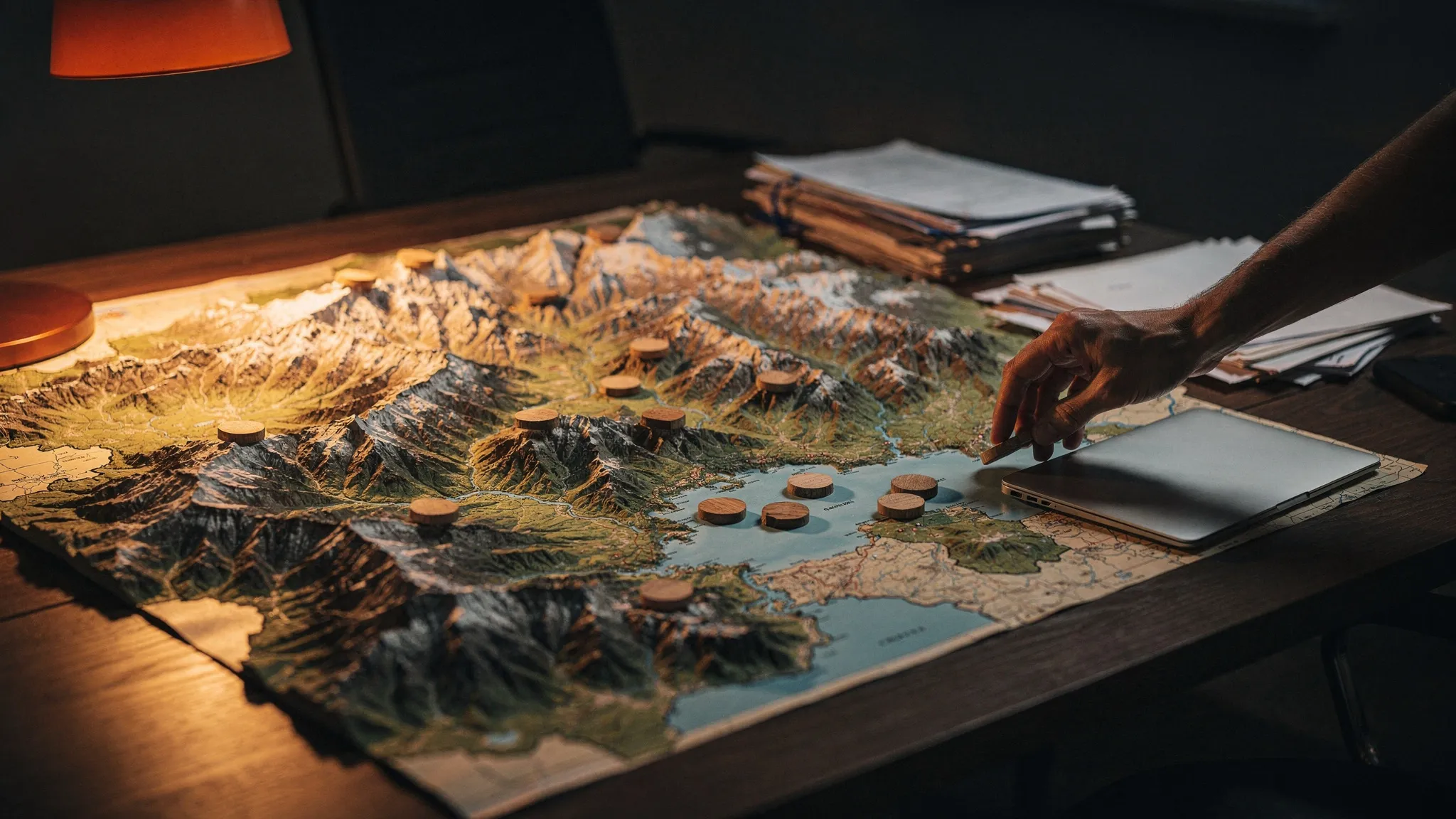
    A relief map of Switzerland on a desk, small markers placed on several cantons, a placement officer's hand beside a laptop, in amber light.

    Where a refugee is first housed shapes their whole future. In Switzerland, officials assign each case to one of 26 cantons, mostly by quota.

    From 2020 to 2023, about 2,000 refugee cases were split by lottery. Half got a canton picked by an algorithm to maximise employment. The other half got the usual random pick. Neither officials nor refugees knew which was which.

    Over three years, the algorithm group worked about 10% more months. After the Covid years, the gain reached about 17%. Jobs also lasted longer.

    Officials kept the final say and followed the advice 97% of the time. The tool costs little: about 50 francs per adult. The authors, who designed it, call their trial a cautious test. It does not replace language courses.

    Source: AI-based matching improves refugee employment in a double-blind randomized trial, https://arxiv.org/abs/2609.35448

    پری پرنٹتجربہ4 منٹ کا مطالعہ
Legal notice