عدد 28 سبتمبر 2026

  1. الفيزياء

    A STRANGE HIT IN A DARK MATTER TRAP

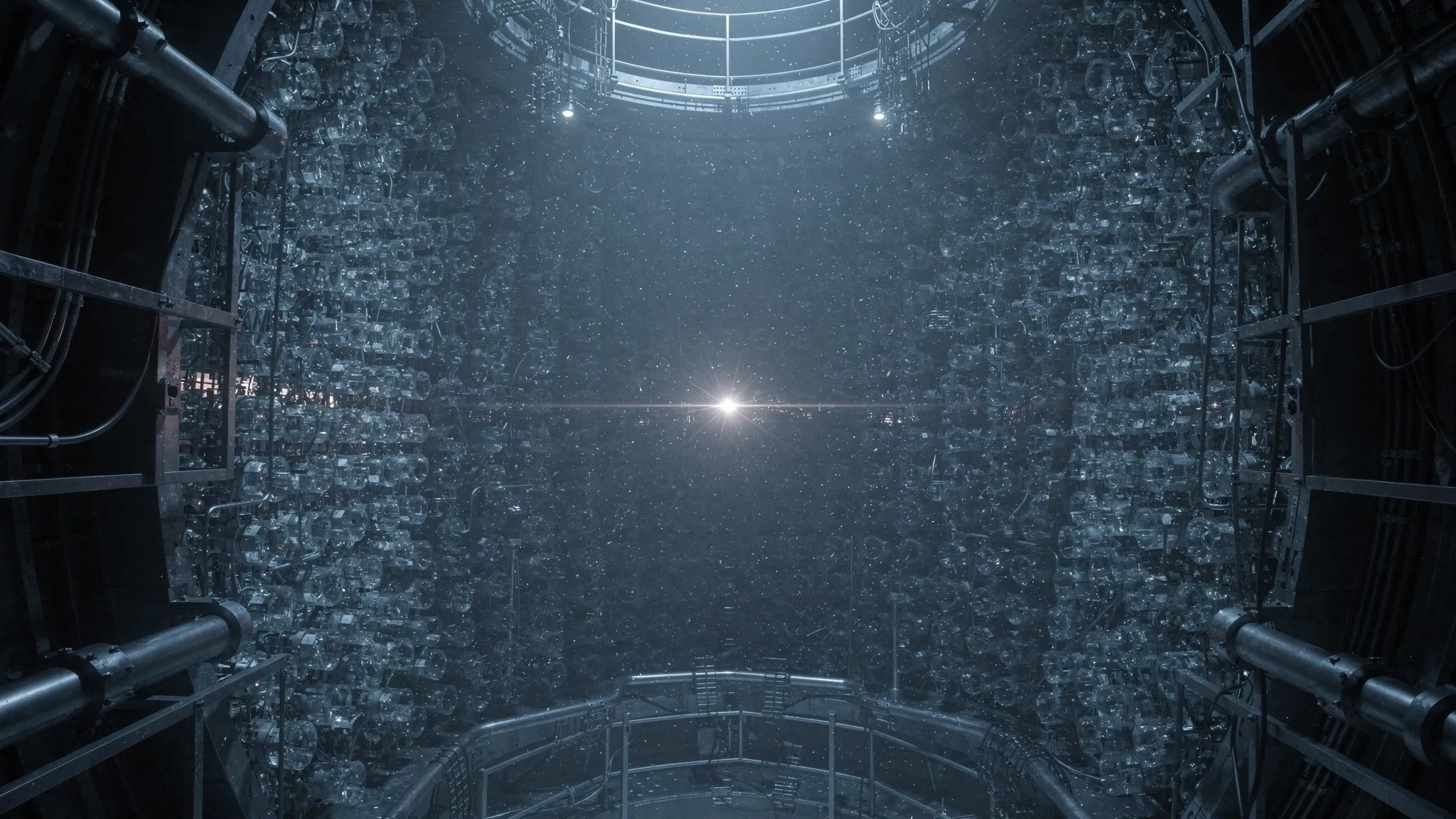
    Inside a large cylindrical detector lined with rows of photomultiplier tubes, a single tiny flash of light in the dark.

    Deep underground, the LZ detector waits for dark matter to bump into a xenon atom. It recently recorded one single, unexplained hit, at 248 kiloelectronvolts. Its significance is intriguing, not a discovery.

    The blow was far too strong for ordinary dark matter. Unless it weighs over 74 times a proton — an option already largely ruled out.

    One idea: tiny black holes born after the Big Bang, slowly evaporating. They would spray out very fast, light particles. A physicist in India ran the numbers.

    Verdict: impossible. Such black holes would also cause many small hits, and LZ saw none. Bonus: at most a millionth of dark matter can be this kind of black hole.

    Source: Limits on Primordial Black Hole Evaporation from LUX-ZEPLIN, https://arxiv.org/abs/2609.29462
    نسخة أوليةنظريةمدة القراءة: 3 د
  2. الفضاء والفلك

    THE MOST POWERFUL RADIO GALAXY EVER FOUND

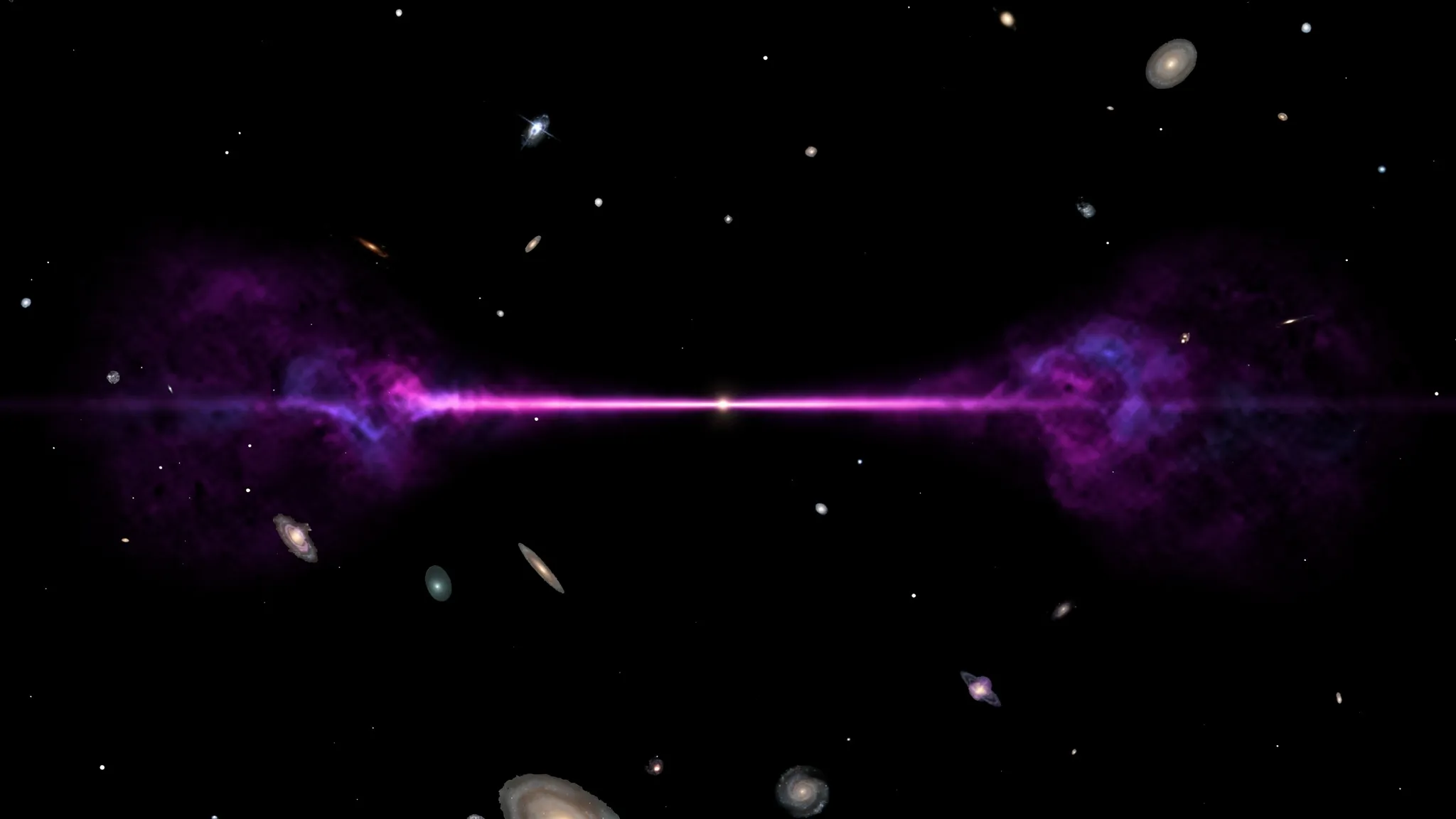
    False-colour radio image of a distant galaxy: a bright core with two long straight violet jets ending in wide diffuse lobes.

    At the heart of some galaxies, a giant black hole shoots jets of matter across space. Seen by radio telescopes, these are radio galaxies.

    An Italian-led team hunted for the most distant ones. Using the VLT in Chile, they confirmed one: TXS 2354+015, at redshift 4.946.

    At 500 megahertz, it emits 6.2 × 10²⁹ watts per hertz. That is about twice the previous record. It is now the most powerful radio galaxy known.

    It is also the second most distant ever found. Most of these monsters hide behind dust. Many more may be waiting. The team's method, based on how early galaxies vanish in some colours, finds them where the classic radio test fails.

    Source: The quest for high-redshift radio galaxies II. Discovery of the most powerful known radio galaxy at z=4.946, https://arxiv.org/abs/2609.28632

    نسخة أوليةرصدمدة القراءة: 3 د
  3. الفضاء والفلك

    TINY WHIRLPOOLS ON THE SUN

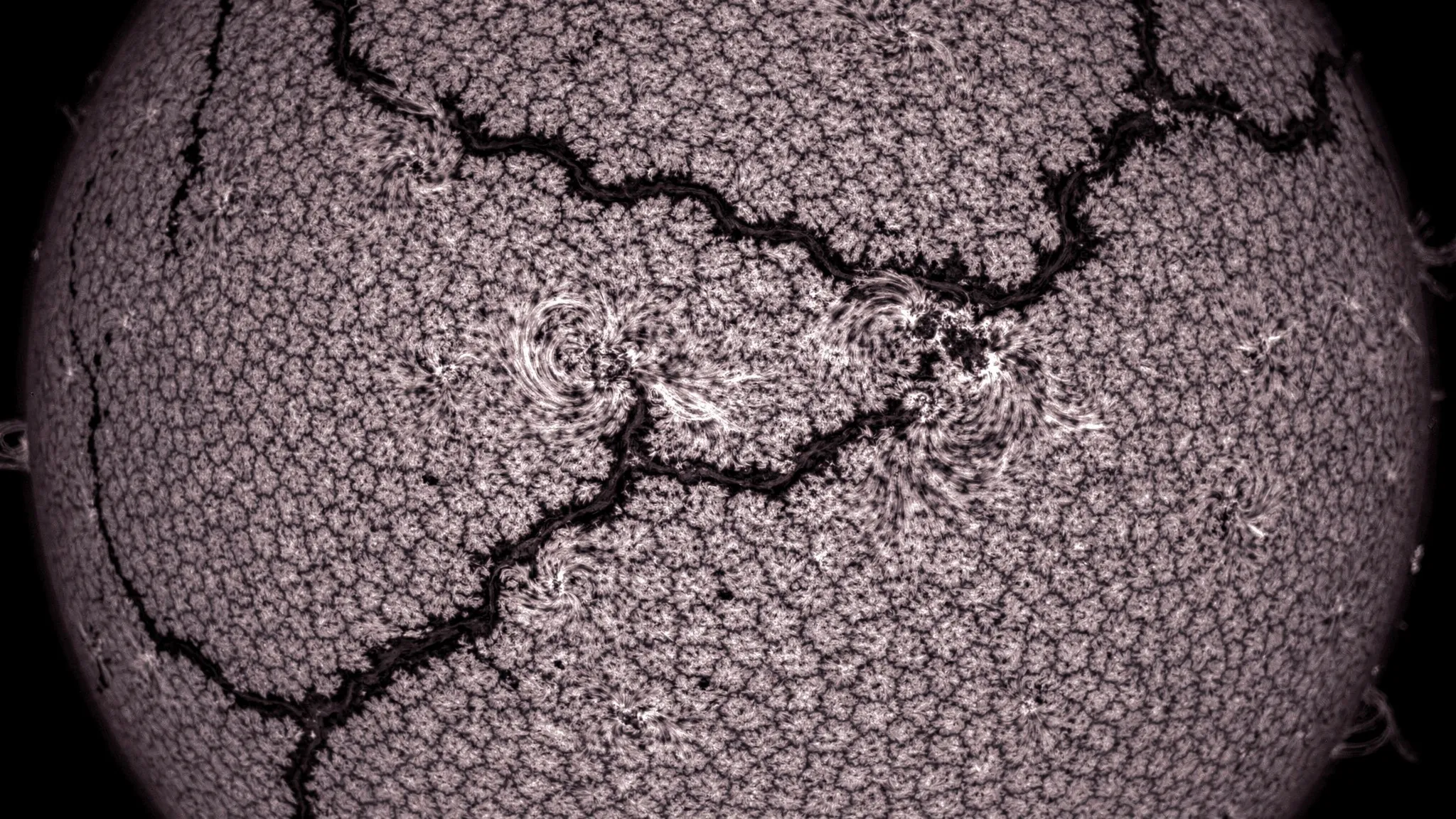
    Monochrome image of the Sun's disc covered in granulation, crossed by dark filament-like lines.

    The surface of the Sun boils. Cells of hot gas rise, cool and sink again. Simulations predicted tiny whirlpools in between. No telescope could see them. The sharpest earlier views reached about 150 kilometres.

    Until DKIST, the 4-metre solar telescope in Hawaii. It filmed a small patch of the Sun for 3.2 minutes, 740 images per second.

    Result: 201 whirlpools detected. Their typical width: 38.6 kilometres. More than 99% are under 50. Each turns about once every 37 seconds.

    These whirlpools could carry energy upward and help heat the Sun's atmosphere. The team now wants to catch them higher up.

    Source: DKIST unveils MHD-predicted sub-50 km photospheric vortices, https://arxiv.org/abs/2609.30051

    نسخة أوليةرصدمدة القراءة: 2 د
  4. الفضاء والفلك

    40 MILLION BLACK HOLES WANDER OUR GALAXY

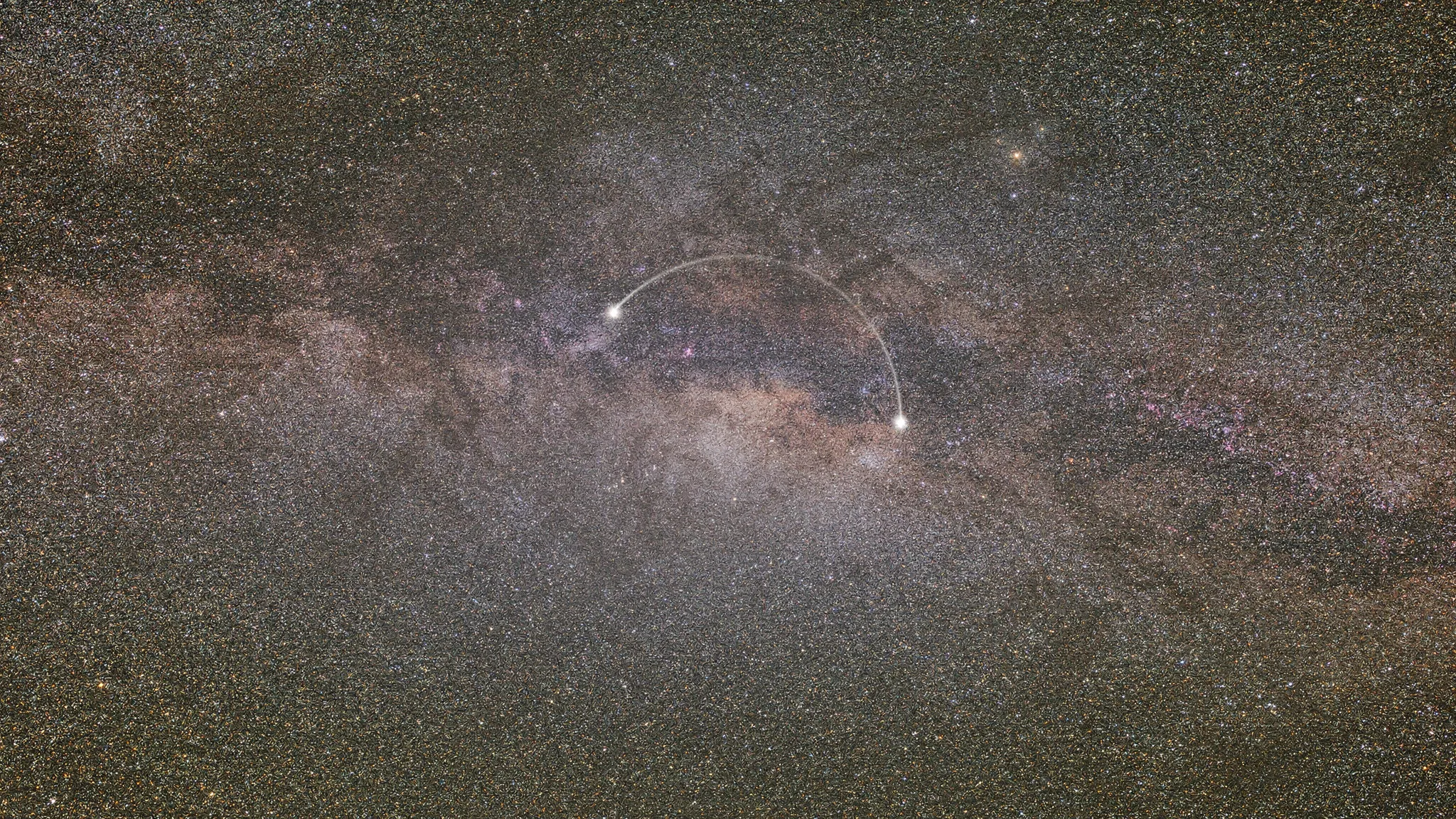
    A dense star field of the Milky Way, with a thin bright arc joining two stars near the centre.

    When a massive star dies, it can leave a black hole. Most of them drift alone through the Galaxy. Almost impossible to see. In our Galaxy, only about two dozen black holes are known, nearly all with a companion star.

    A team at Nanjing University built a simulation of the Milky Way's whole history: stars, couples of stars, explosions and orbits.

    Result: about 40 million lonely black holes. Around 80,000 lie within 1 kiloparsec of the Sun, roughly 3,300 light-years. So far, only one has been confirmed.

    How to find the others? They bend the light of stars behind them. The future Roman space telescope could catch hundreds of such events.

    Source: A Census of Stellar-mass Black Holes in the Milky Way with POPKIN. I. Isolated Black Holes, https://arxiv.org/abs/2609.29211

    نسخة أوليةمحاكاةمدة القراءة: 3 د
  5. الحوسبة والذكاء الاصطناعي

    ملخّصات الذكاء الاصطناعي قد تعيد كتابة ذاكرتك

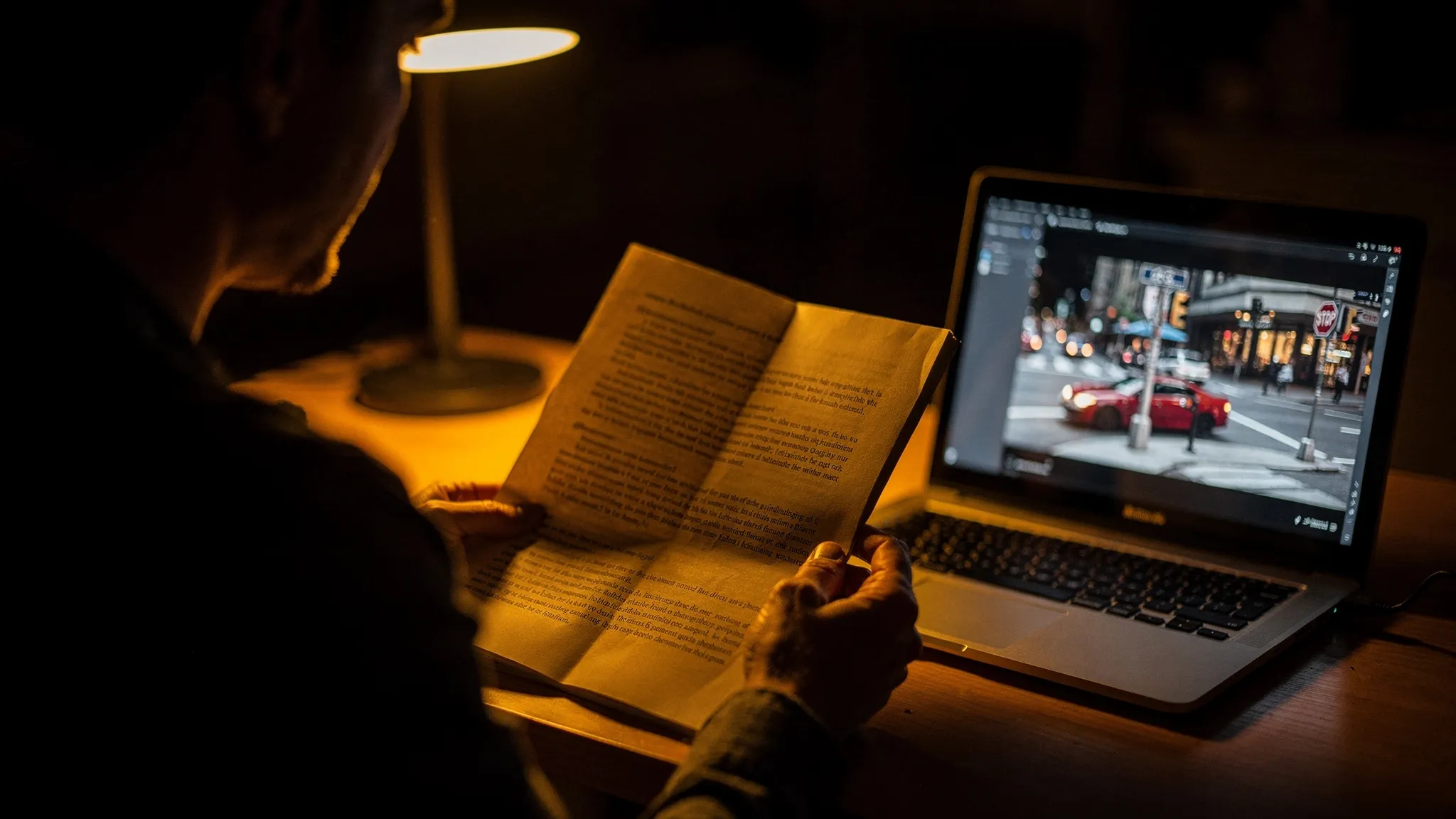
    شخص يقرأ صفحة مطبوعة تحت مصباح مكتب ليلًا، بجوار حاسوب محمول يعرض مشهد شارع متوقفًا تظهر فيه سيارة حمراء.

    صار الذكاء الاصطناعي يكتب تقارير الشرطة انطلاقًا من تسجيلات الكاميرات المثبتة على أجساد الشرطيين. ويُفترض أن يلتقط إنسانٌ أخطاءه. لكن ماذا لو غيّرت هذه الأخطاء الإنسانَ نفسه؟

    طلب باحثون من ChatGPT وGemini تلخيص مقطع فيديو مدته 25 ثانية تصدم فيه سيارةٌ أحد المشاة. أغفل 19 ملخّصًا من أصل 20 حادثة الاصطدام نفسها.

    ثم شاهد 328 شخصًا الفيديو. وبعد يوم، قرأوا ملخّصًا يذكر إشارة مرور خاطئة. لم يتذكّر الإشارة الصحيحة سوى 44.8% منهم، مقابل 83.6% مع ملخّص صحيح.

    الاعتقاد بأن إنسانًا كتب الملخّص لم يغيّر شيئًا. ولا عدم الثقة بالذكاء الاصطناعي. فمعرفة أن الذكاء الاصطناعي يخطئ لم تحمِ الذاكرة. ويشكّك المؤلفون في استخدام ملخّصات الذكاء الاصطناعي في عمل الشرطة.

    المصدر: AI-Enabled Human Memory Manipulation: Misleading AI-Generated Summaries Distort Human Memory, https://arxiv.org/abs/2609.28820

    نسخة أوليةتجربةمدة القراءة: 3 د
  6. الكيمياء

    AN AI FINDS A WAY AROUND IRIDIUM

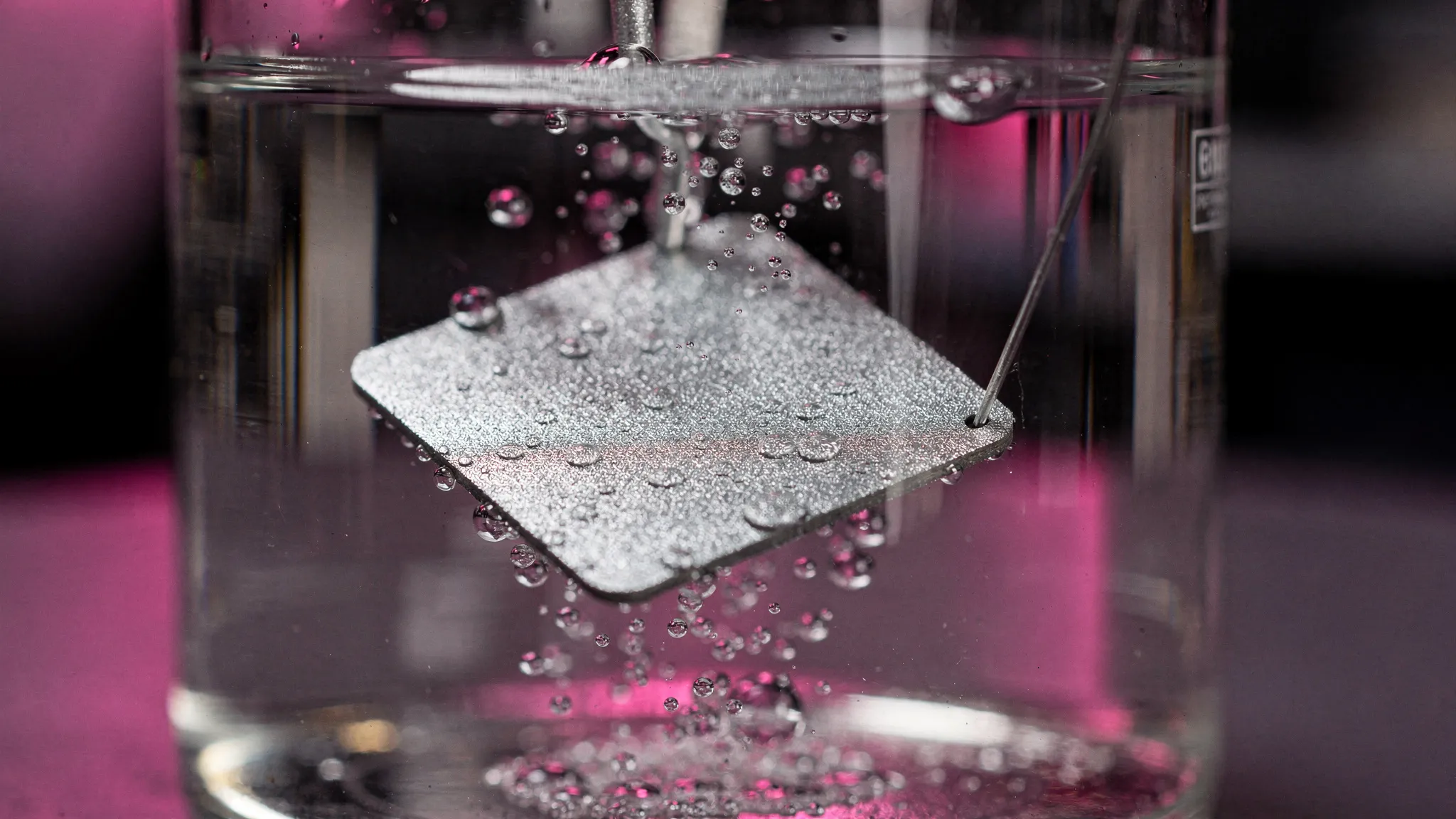
    Macro photograph of a small silvery coated wafer in clear acid, with tiny bubbles rising from its surface, in magenta light.

    To make green hydrogen, we split water. One key step only works with iridium or ruthenium. These metals are rare, with fragile supply chains.

    A US company built a robot lab steered by AI. It tested 2,942 materials made from 26 elements, about 240 per week. Humans only move the samples.

    Surprise: the winners are rich in palladium, a family nobody expected. The best one lasted 1,000 hours and kept 96% of its palladium.

    Palladium is also precious, but produced more than ten times more than iridium. A chatbot alone did worse than random at this search.

    Source: AI-guided high-throughput discovery of iridium- and ruthenium-free palladium-oxide catalysts for durable acidic oxygen evolution, https://arxiv.org/abs/2609.30133

    نسخة أوليةتجربةمدة القراءة: 3 د
  7. الفيزياء

    ONE SHEET, MANY ORIGAMI

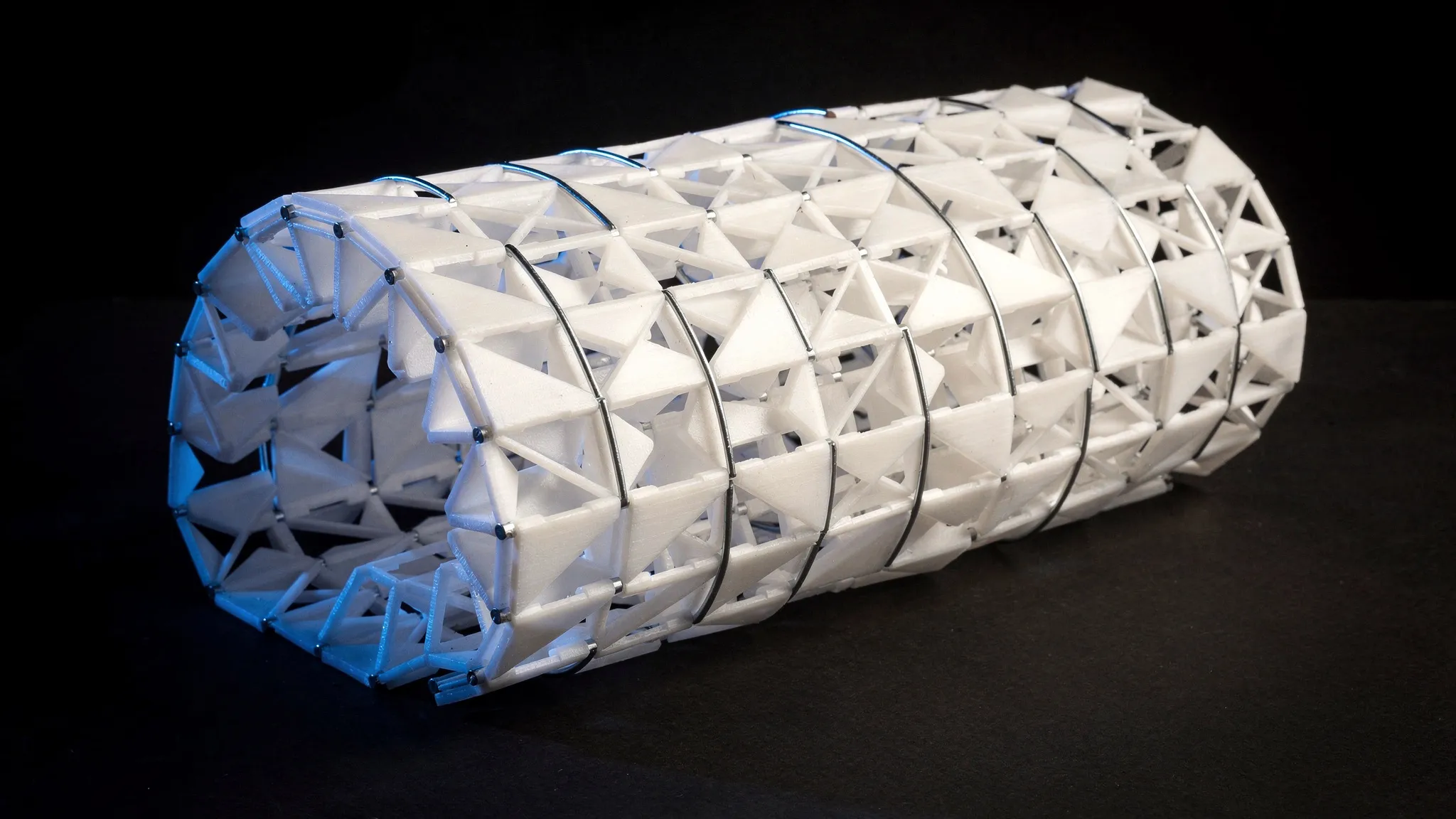
    A sheet of small white triangular panels folded into a cylinder, thin steel strips arched across its hinges, lit in blue.

    Crease a sheet of paper, and it remembers that fold forever. So one origami usually makes only one shape. Tiny motors at every hinge are one known fix.

    A team at Harvard slipped a steel strip, 0.05 mm thick, across each hinge. Squeezed, it bows up or down. Press it, and it flips.

    Each flip decides if a fold goes up or down. One sheet folds into a bird or a whale. Another into a box or a boat. A chain spells ORIGAMI.

    Some sheets even reprogram themselves when you fold their edges. One unfolds on its own when pulled. Another counts how often it has been squeezed.

    Source: Reprogrammable origami through bistable buckled hinges, https://arxiv.org/abs/2609.28790

    نسخة أوليةتجربةمدة القراءة: 3 د
  8. الفيزياء

    A CROWDED CRYSTAL THAT STAYS QUANTUM

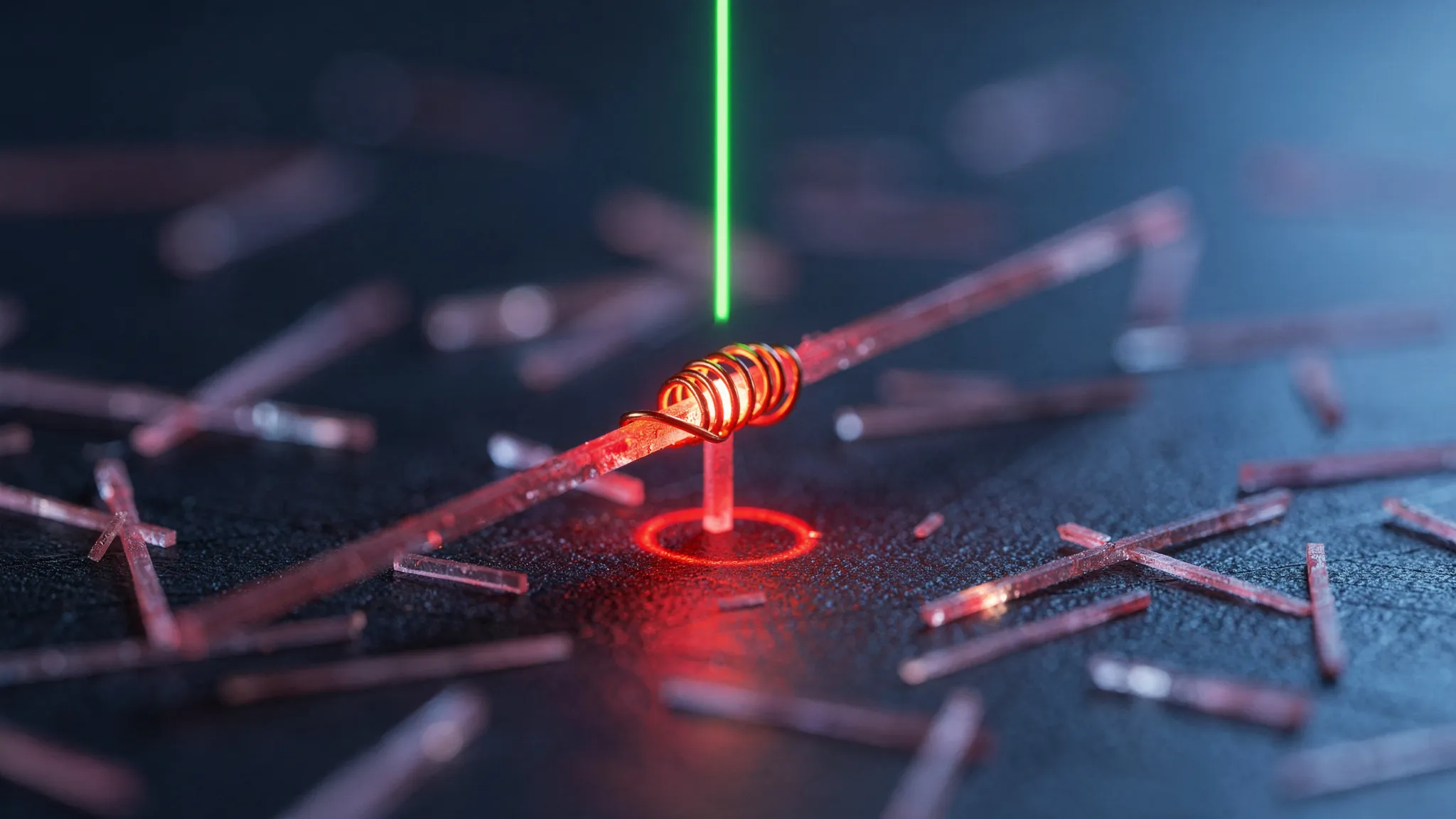
    Macro photograph of thin pink needle-shaped crystals on a dark surface; one needle glows red where a green laser beam hits it, inside a small copper coil.

    Quantum sensors use tiny magnets called spins to measure magnetic fields. The more spins you pack in, the more sensitive the sensor. In theory.

    In practice, crowded spins disturb each other. Their quantum state collapses too fast. So diamond sensors keep them rare, a few to tens of parts per million.

    A Berkeley-led team grew pink crystal needles where one molecule in three is a sensor. That is over 100 times denser than the benchmarks.

    At room temperature, the spins stay coherent for about a microsecond. The secret: a neighbour molecule that blocks their energy from hopping around. Next step: turning these needles into real magnetic sensors.

    Source: Dense pentacene cocrystal demonstrates room-temperature coherent control, https://arxiv.org/abs/2609.28912

    نسخة أوليةتجربةمدة القراءة: 3 د
  9. الأرض والمناخ

    مسيّرات التوصيل ستغيّر خريطة الضجيج في المدن

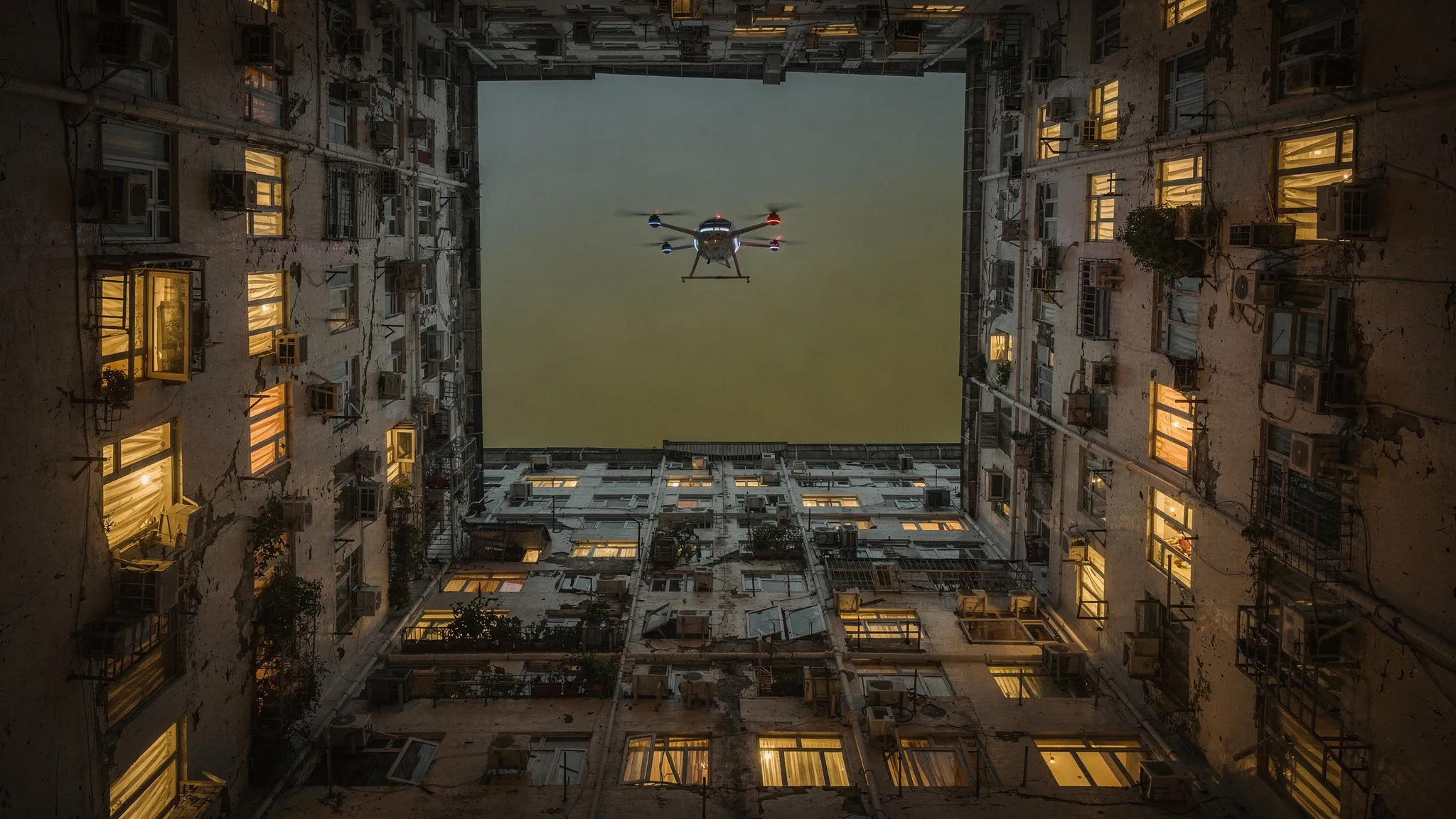
    منظر عند الغسق من قاع فناء مغلق بين مبانٍ سكنية شاهقة، يتطلّع إلى أعلى نحو مسيّرة متعددة المراوح تعبر مربّع السماء.

    مسيّرات التوصيل وسيارات الأجرة الطائرة في طريقها إلى المدن حول العالم. ضجيجها يأتي من الأعلى. وقد كُتبت قواعد الضجيج الحالية للطرق والمطارات. ومع ذلك، يبدو أن المسيّرات تزعج الناس أكثر من حركة المرور عند مستوى الصوت نفسه.

    حاكى باحثون في لندن رحلات متطابقة فوق عشر مدن، من طوكيو إلى نيروبي. المسار نفسه، على ارتفاع 100 متر، وحركة الطيران نفسها.

    في الشوارع المزدحمة، كان التغيّر ضئيلًا، فحركة المرور تطغى عليه أصلًا. أما في الأفنية الداخلية الهادئة في لندن ونيويورك، فقد قفز الضجيج بأكثر من 20 ديسيبل.

    قد تكون الطوابق العليا أكثر ضجيجًا من السفلى، قرب ارتفاع الطيران. ويقول الفريق إن المسارات المستقبلية يجب أن تُفحص بالأبعاد الثلاثة.

    المصدر: Low-altitude aircraft will reshape noise exposure across global cities, https://arxiv.org/abs/2609.29763

    نسخة أوليةمحاكاةمدة القراءة: 3 د
  10. الرياضيات

    كم ورقة حتى يظهر أول آس؟

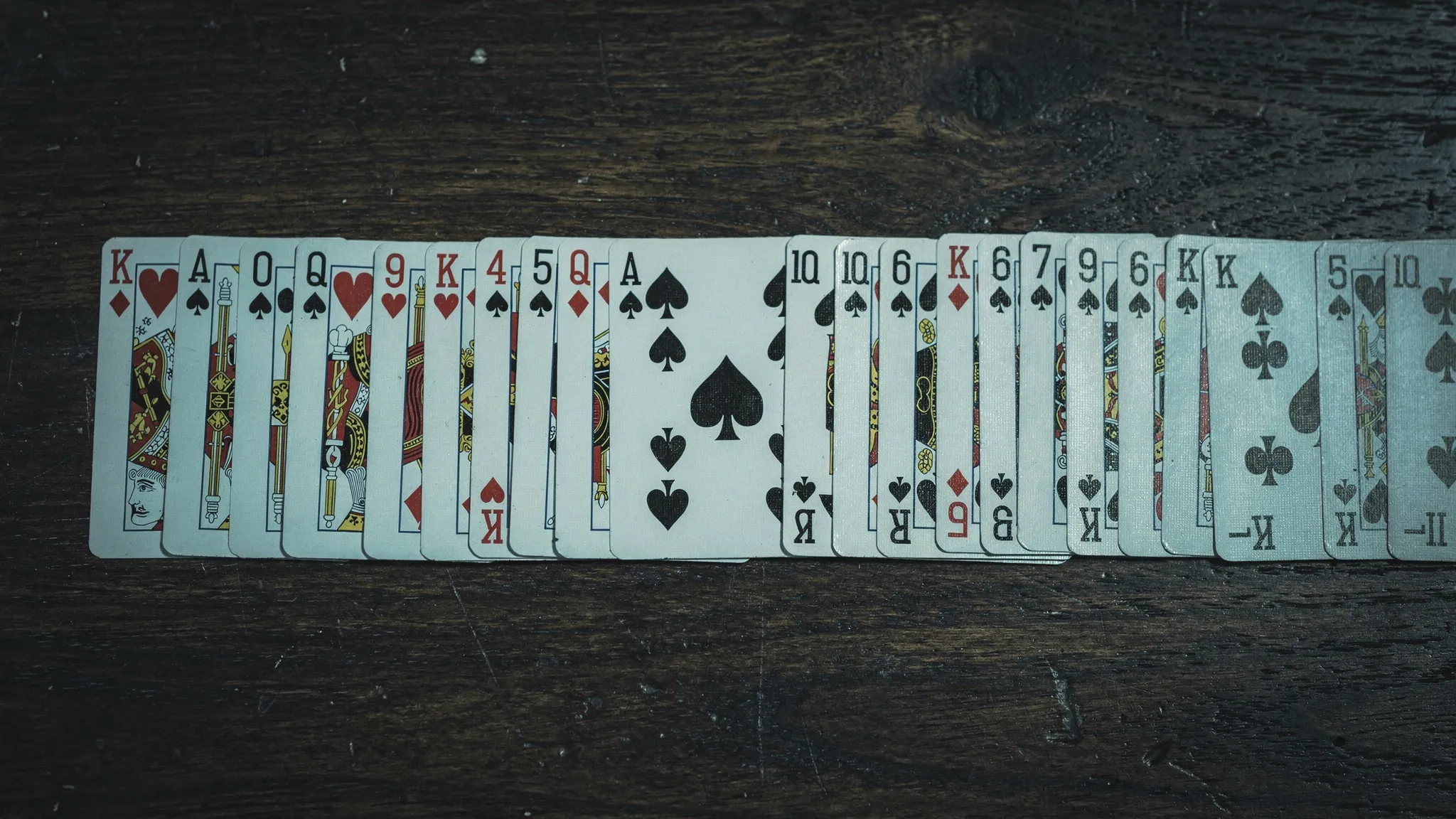
    أوراق لعب مكشوفة الوجه في صف طويل على طاولة خشبية داكنة، يظهر آس البستوني بين الأوراق الأولى.

    اخلط مجموعة من 52 ورقة. اقلب الأوراق واحدة تلو الأخرى حتى يظهر أول آس. كم ورقة تحتاج في المتوسط؟ خمّن. إنه لغز من مجلة إحصاء نرويجية.

    الجواب: 10.6. ويبرهن عليه إحصائي نرويجي بعدة طرق. والصيغة العامة بسيطة: عدد الأوراق زائد واحد، مقسومًا على عدد الآسات زائد واحد.

    والأجمل: في المتوسط، تقسم الآسات الأربعة المجموعة إلى خمسة أجزاء متساوية. وكل فجوة بين آسين تتصرف مثل الفجوة الأولى.

    اقلب السؤال يصبح مفيدًا. إذا كان خامس أعسر في غرفة تضم 1000 شخص هو الشخص الخمسين الذي تقابله، ففي الغرفة نحو 85 أعسر.

    المصدر: How many cards, until the first ace: variations, extensions, lachrymae, confidence, Dirichlets, https://arxiv.org/abs/2609.29596

    نسخة أوليةنظريةمدة القراءة: 2 د
Legal notice